Remote Upper Dolpo Trek – 24 Day Himalayan Expedition in Shey Phoksundo National Park

  • Duration 24
  • Destination Nepal
  • Trip Grade Strenuous
  • Starts at Kathmandu
  • Ends at kathmandu
  • Meals Breakfast,Lunch,Dinner
  • Accommodation Hotel/Tea Houses/Lodges
  • Max. Altitude 5,360
  • Activity Trekking
  • Group Type Trekking
  • Group Size 2–12
  • Best Season April-May and Sepember- November
Highlights
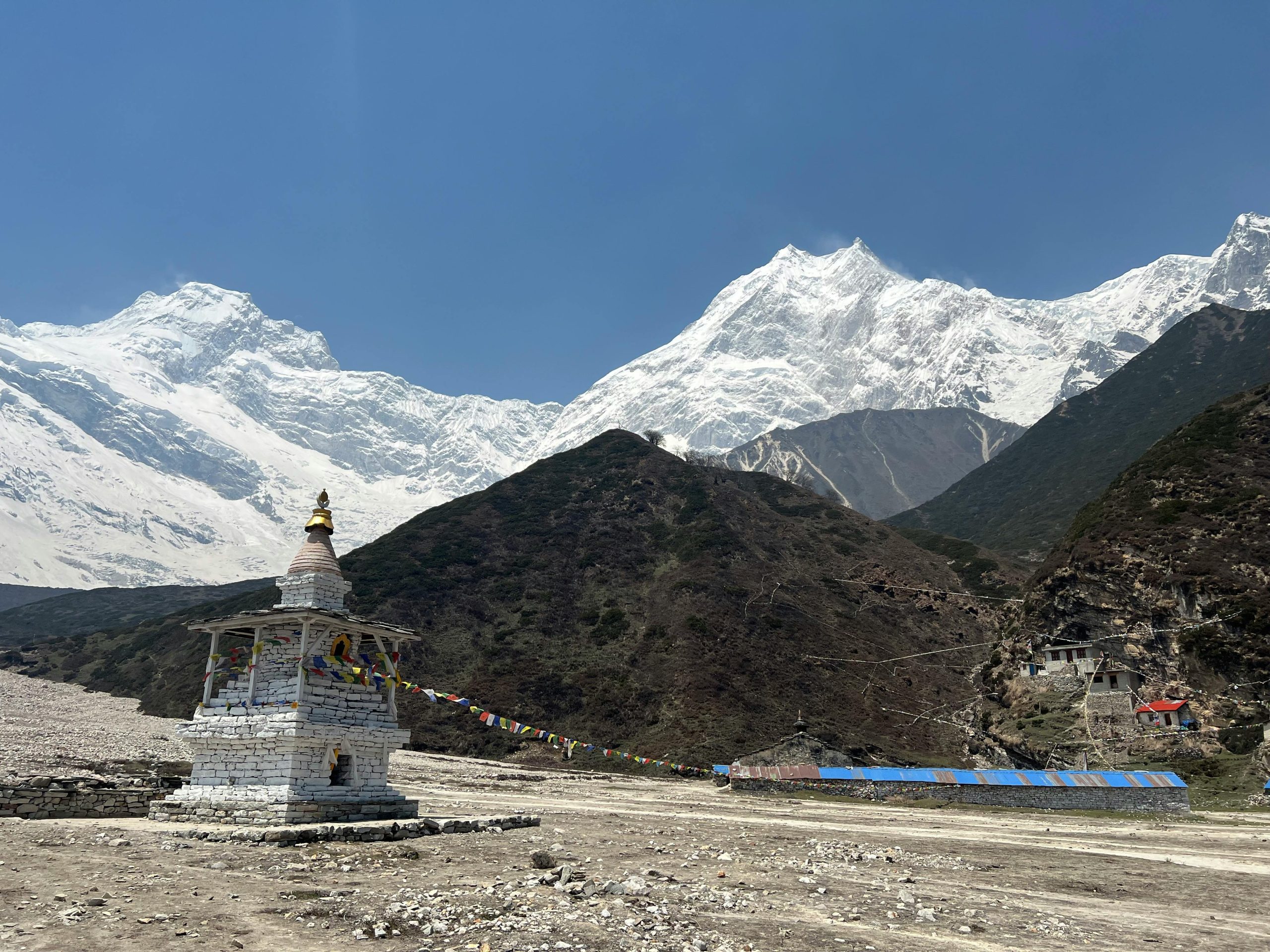
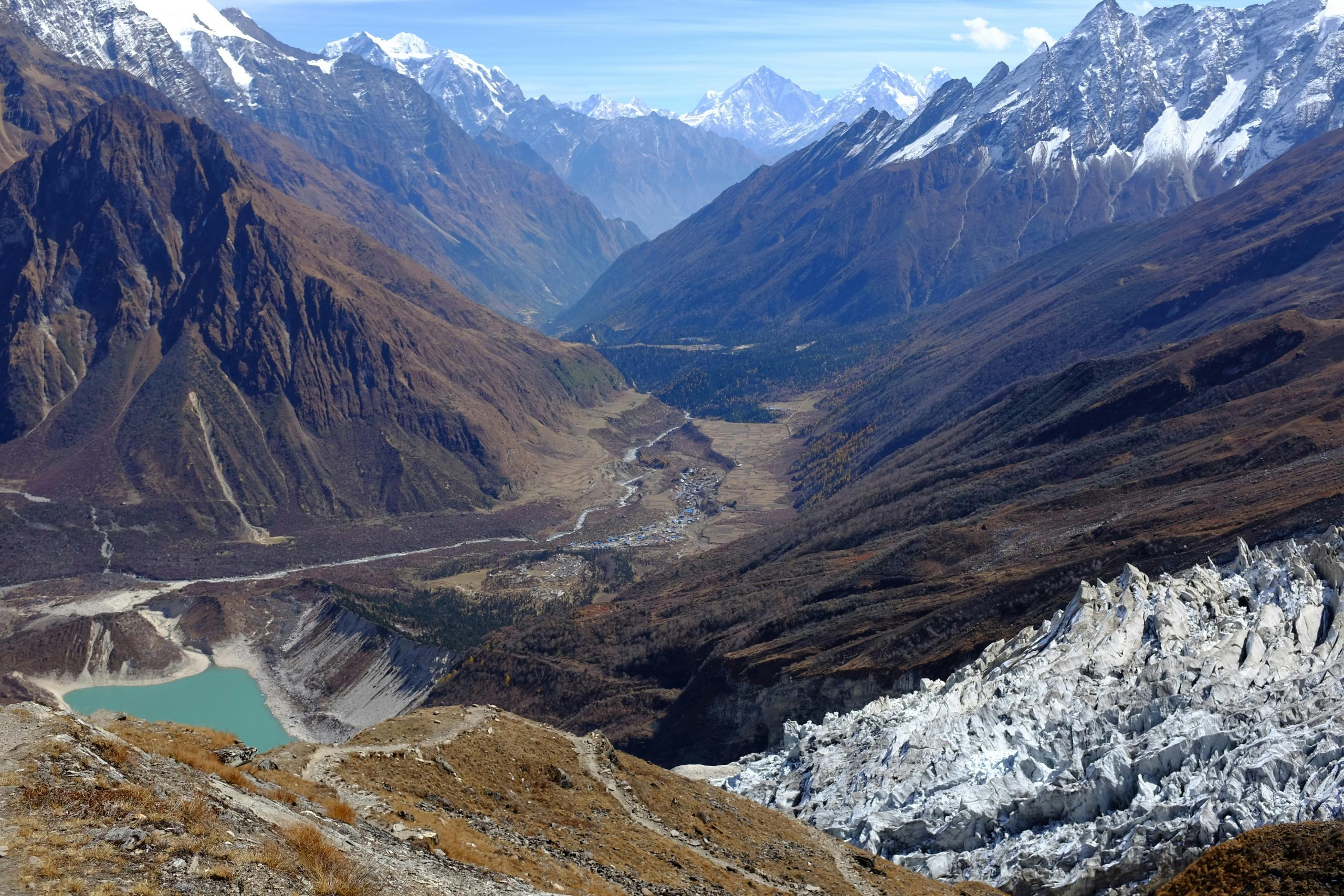
  • Explore the remote and untouched Upper Dolpo region, one of Nepal’s most isolated and culturally rich areas.
  • Visit the ancient 800-year-old Shey Gompa (Crystal Monastery), famous from the book The Snow Leopard.
  • Trek through Shey Phoksundo National Park, home to rare wildlife like snow leopards, musk deer, and blue sheep.
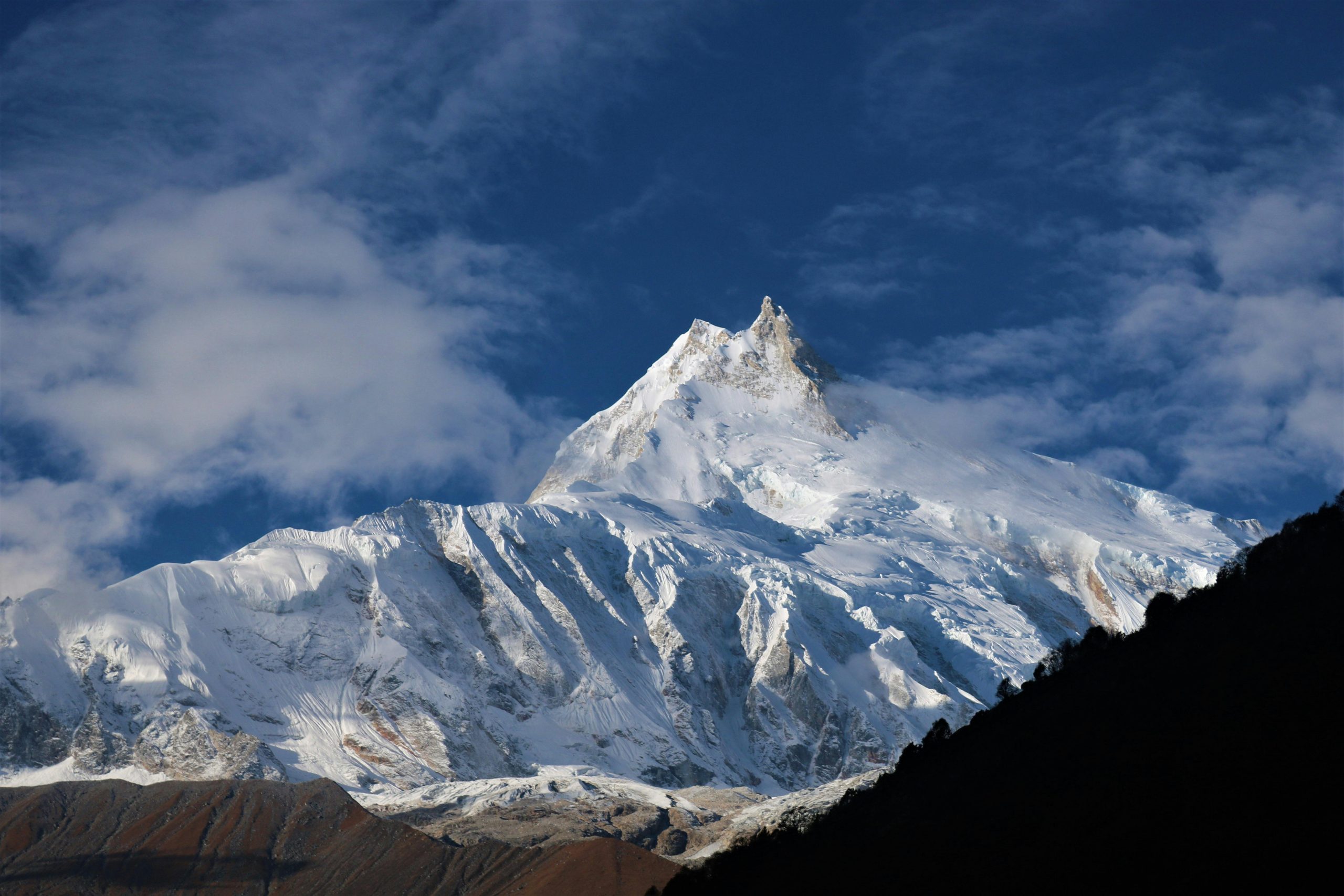
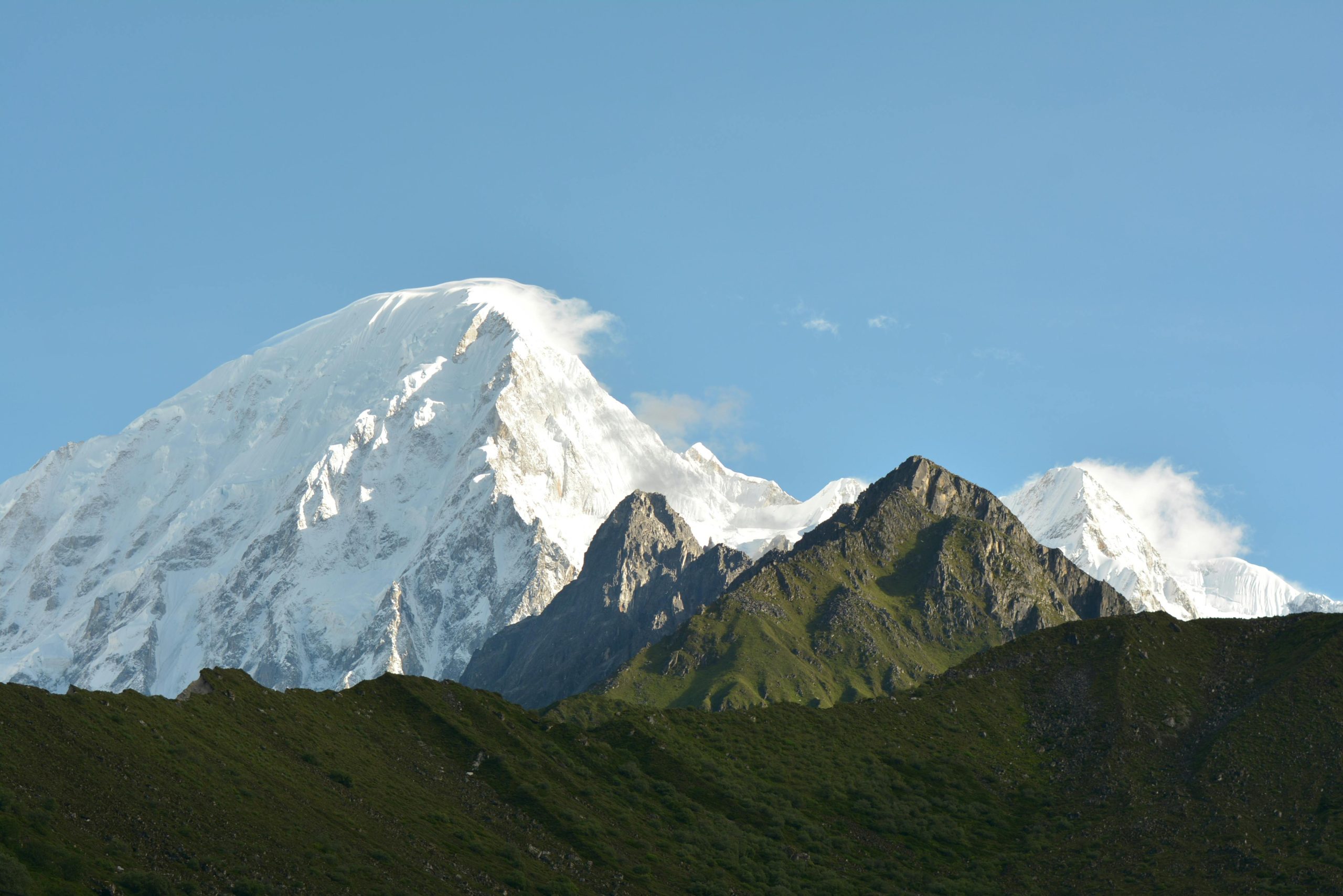
  • Experience breathtaking views of the Dhaulagiri, Annapurna, and Kanjiroba mountain ranges.
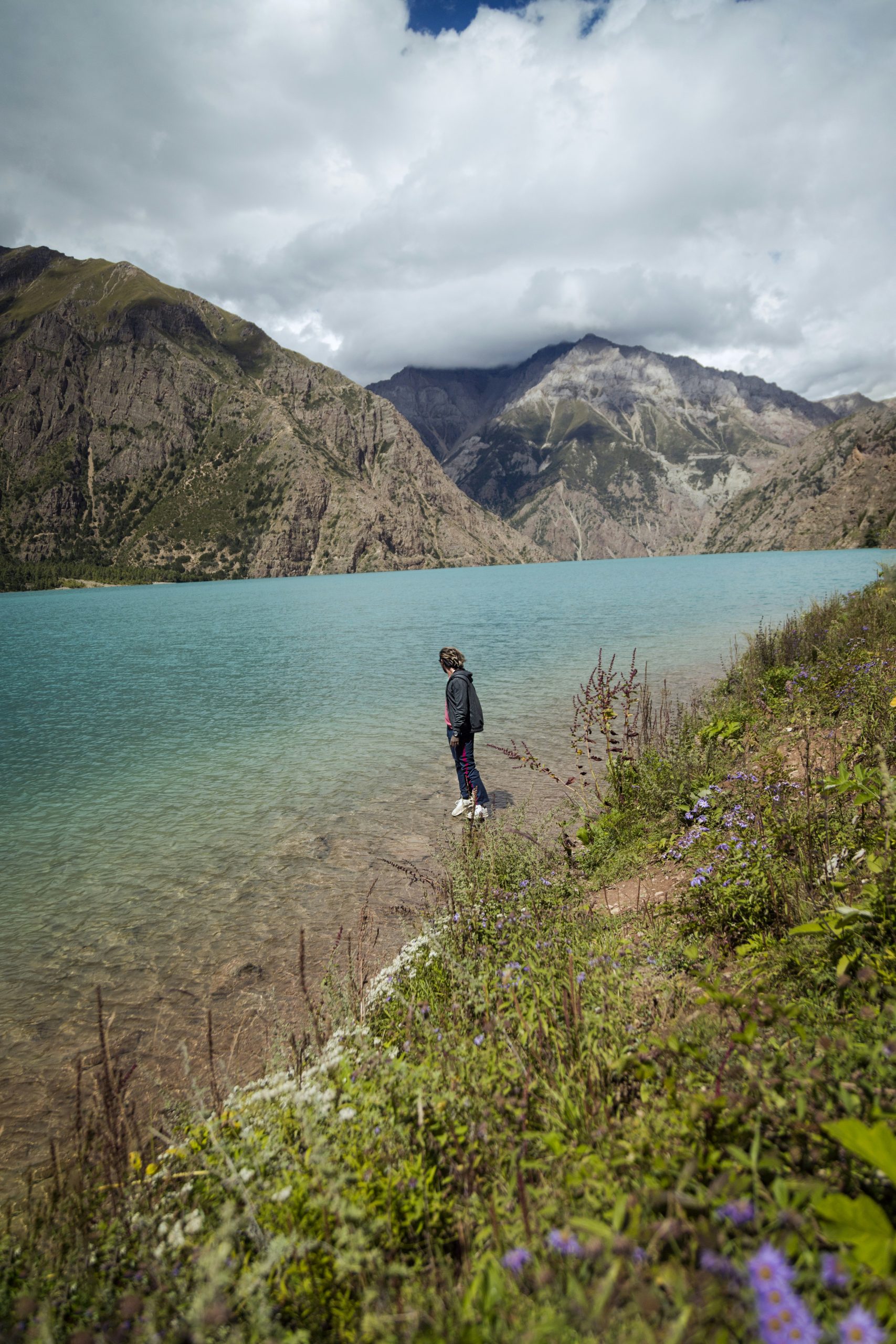
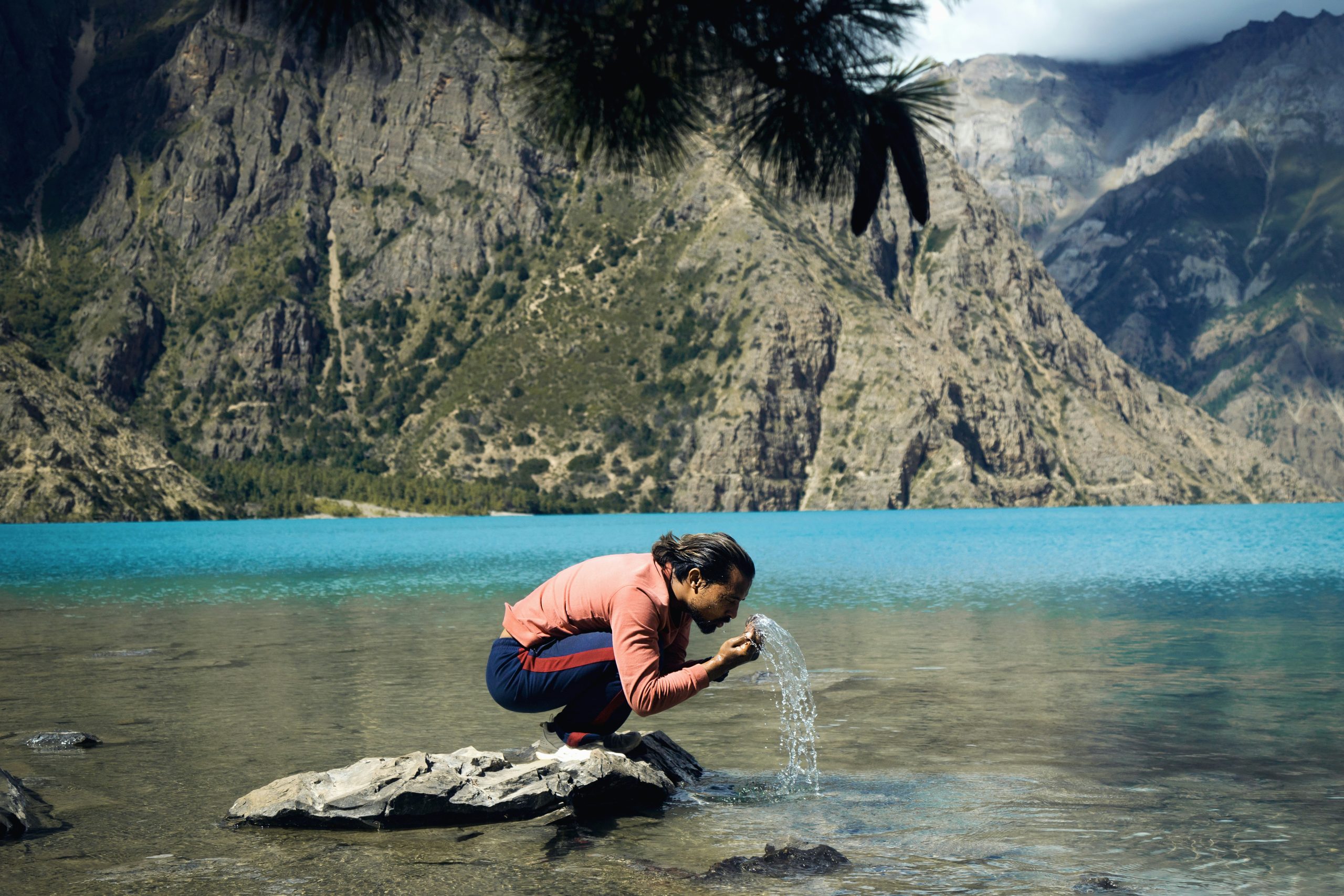
  • Marvel at the turquoise waters of stunning Phoksundo Lake, Nepal’s deepest and most beautiful lake.
  • Cross high mountain passes including Kang La Pass (5,360m) and Saldang La Pass (5,010m).
  • Discover traditional Tibetan Buddhist culture and the unique Bon religion in remote villages.
  • Enjoy warm hospitality from the local people, with welcoming smiles and a chance to learn about their way of life.
  • Walk through rugged landscapes of high-altitude deserts, green valleys, and crystal-clear rivers.
  • Experience an authentic off-the-beaten-path Himalayan adventure away from crowds.

Remote Upper Dolpo Trek – 24 Day Himalayan Expedition in Shey Phoksundo National Park Overview

Tour Description

Upper Dolpo Trek is a life‑changing journey in Nepal’s most isolated region. Your 24‑day Remote Upper Dolpo Trek starts with a flight to Juphal, then winds through the stark high‑altitude desert of Shey Phoksundo National Park. You’ll visit remote Bon and Buddhist villages like Saldang, Tokyu Gaon, Dho Tarap, and Tarakot, where smiling children and welcoming families bring real warmth to this rugged land.

Each day, you’ll trek past snow‑dusted peaks—Dhaulagiri, Annapurna, Kanjiroba—and cross two major mountain passes: Kang La (5,151 m) and Saldang La (5,010 m). Along the way, discover the legendary 800‑year‑old Shey Gompa (Crystal Monastery) perched beneath sheer cliffs, and camp beside the turquoise waters of Phoksundo Lake (3,612 m).

This is more than a hike: it’s a step into a world that time forgot. You’ll sleep under stars unpolluted by light, breathe air as clear as glass, and leave with memories of monasteries, mules, and mountain silence you won’t find anywhere else.

Why Choose This Tour

  • Truly Off the Beaten Path: Upper Dolpo is one of the most remote trekking regions in Nepal, with limited access and few visitors. This trek takes you far beyond the crowded trails—into a hidden world of timeless landscapes and untouched culture.
  • Ancient Bon & Tibetan Buddhist Culture: Walk through villages where locals still follow the ancient Bon religion and Tibetan Buddhist traditions. You’ll see prayer flags fluttering over flat-roofed homes, visit sacred monasteries, and meet monks who live as they did centuries ago.
  • Stunning Himalayan Wilderness: From deep valleys to high mountain passes, the scenery changes every day. You’ll cross Kang La and Saldang La passes, walk through alpine meadows, barren cliffs, and turquoise lakes—all under the shadows of mighty peaks like Dhaulagiri and Kanjiroba.
  • Phoksundo Lake & Shey Gompa: See two of Nepal’s most iconic treasures: the bright blue waters of Phoksundo Lake and the cliffside Shey Gompa monastery, made famous by Peter Matthiessen’s The Snow Leopard.
  • A Journey Back in Time: Life in Upper Dolpo hasn’t changed much for hundreds of years. There’s no road, no modern infrastructure—just yaks, stone houses, and pure Himalayan silence. If you’re craving a raw, real, and unfiltered trekking experience, this is it.
  • Support Local Communities: This trek supports remote villages where tourism brings essential income. Your journey helps preserve ancient culture and provides livelihoods in some of Nepal’s most isolated corners.
Day to Day Itinerary
Expand all

Welcome to Nepal! Upon your arrival at Tribhuvan International Airport, you will be warmly greeted by our representative and invited to take part in a traditional Nepali welcoming ceremony. Afterwards, you’ll be transferred to your hotel in Kathmandu to settle in comfortably.

Later in the evening, enjoy a detailed briefing about your upcoming Upper Dolpo trek — including what to expect, accommodation details, and important tips to prepare you for the journey ahead. After the briefing, visit the sacred Pashupatinath Temple for a spiritual experience. Feel the powerful vibrations of ancient mantras along the holy banks of the Bagmati River, where cremation ceremonies take place. This profound ritual teaches the true essence of life and inspires inner motivation to live fully. After receiving blessings, you will return to your hotel to rest. Since the trek ahead is long and challenging, we recommend avoiding late-night outings in Thamel on your first day.

  • Tea 3-Star Hotel
  • Breakfast
  • NA
  • 15 km

Today is your cultural introduction to Nepal’s rich heritage. Visit  Kathmandu Durbar Square, home to the living goddess of Kathmandu, “Kumari”, here visit Kumari house, Kaal bharav statue, Kastamandap, Ganesh temple, Kathmandu Durbar museum, Hanuman Dhoka, Krishna mandir and finally Telaju Temple. Then head to Boudhanath Stupa, a vibrant Tibetan Buddhist centre and also Nepal’s biggest stupa, filled with monasteries. Next, explore Swayambhunath, popularly called the Monkey Temple, offering panoramic city views. In the afternoon, take a short flight to Nepalgunj, gateway to western Nepal.
 Duration: 4-5 hours sightseeing + 50 min flight

  • Tea 3-Star Hotel
  • Breakfast
  • 4-5 hours sightseeing + 50 min flight
  • 35

Catch an early morning flight from Nepalgunj to Jhupal, the starting point of your trek. Upon arrival, enjoy a scenic jeep ride to Dunai, the district headquarters of Dolpo. Take time to explore the local market, interact with locals, and prepare your gear for the trekking days ahead.
Distance: Flight ~1 hour, drive ~30 minutes | Duration: 3-4 hours

  • Tea Standard Hotel/Lodge
  • Breakfast
  • 3-4 hours
  • NA

Leaving Dunai, we cross a suspension bridge over the Thulo Bheri River and head uphill through oak and pine forests. The trail follows the Suli Gad River, offering mesmerizing sounds of rushing water and birdsong.
We pass Rahalgaon, a Thakuri village, and continue through dense pine groves and small clearings. Gradually, the terrain becomes more rugged and remote. After crossing a few wooden bridges, we reach Chhepka, a tiny riverside village nestled in lush greenery. It’s a peaceful stop with just a handful of tea houses.

  • Tea Tea House/ Lodge
  • Breakfast, Lunch, Dinner
  • 5-6 hours
  • 12 km

Today’s trail gently ascends through mixed pine and rhododendron forests. The path remains close to the river, occasionally opening up to offer glimpses of surrounding cliffs and cascading waterfalls. We pass several traditional wooden shelters used by yak herders.
Along the way, look out for langurs swinging through trees and blue sheep grazing at a distance. After a steady walk with gradual climbs, we reach the quiet village of Rechi, where we’ll camp or stay in a basic teahouse.

  • Tea Tea House/ Lodge
  • Breakfast, Lunch, Dinner
  • 5-6 hours
  • 12 km

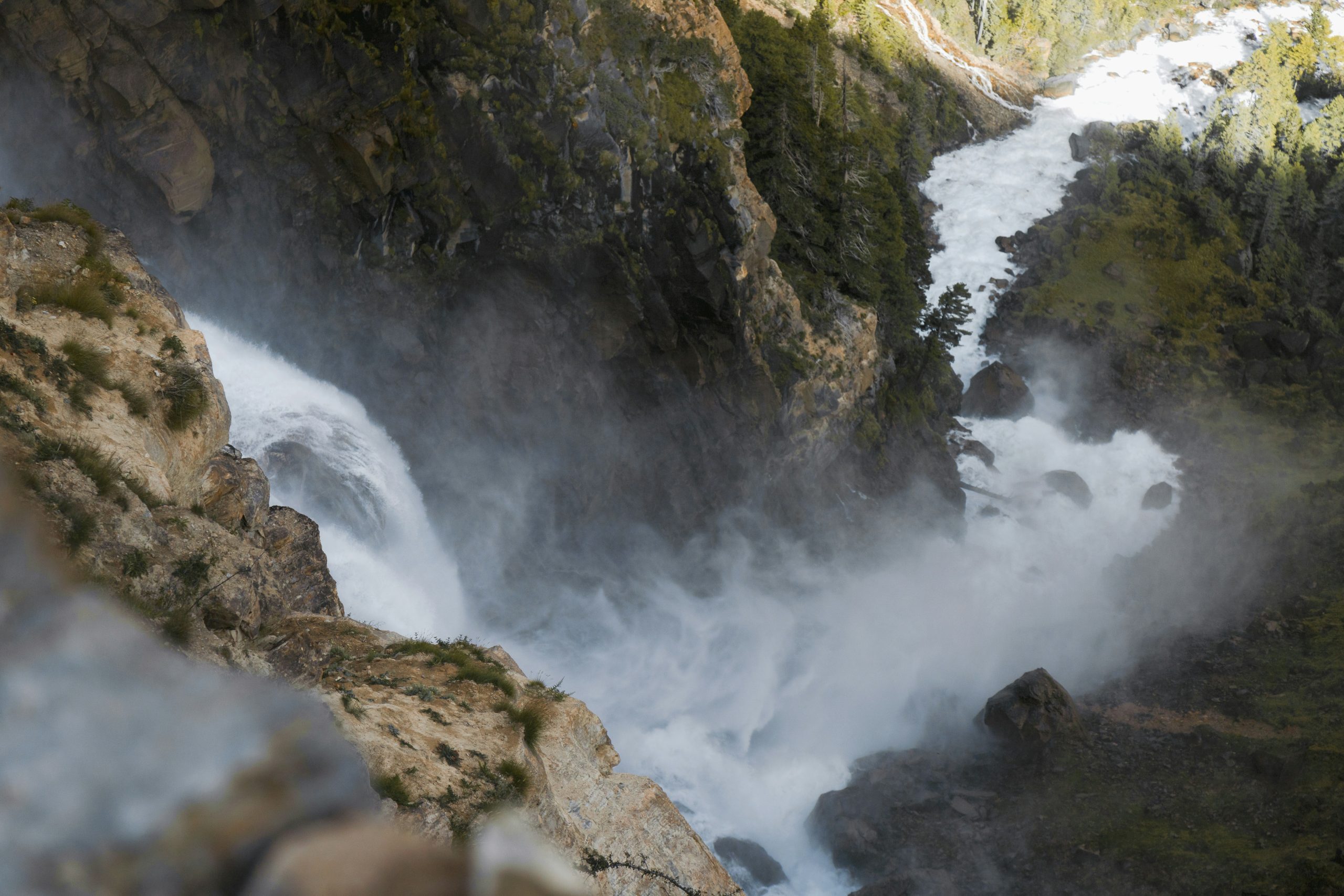
The trail continues through the lush forests and follows the Phoksundo Khola (river) upstream. As we approach Ringmo Village, the sound of cascading water grows louder—this is the majestic Phoksundo Waterfall, Nepal’s highest waterfall (over 160m).
A final steep climb brings us to the ridge from where we catch our first breathtaking view of Phoksundo Lake—a surreal turquoise gem nestled beneath snowy peaks. Shortly after, we arrive in Ringmo, a traditional Bon village with chortens and mani walls. The cultural and natural beauty here is astounding. You’ll spend the night near the lake, with time to unwind and take it all in.

  • Tea Tea House/ Lodge
  • Breakfast, Lunch, Dinner
  • 4-5 hours
  • 10 km

Today is all about slowing down and soaking in the spiritual and natural magic of Phoksundo Lake. Visit the centuries-old Tshowa Gompa (Bon Monastery), dramatically perched on a ridge overlooking the lake, and learn about the unique Bon religion—Tibet’s ancient spiritual path. Take a short walk around Ringmo village, where traditional mud-brick homes and yak caravans offer a glimpse into high Himalayan life. You can also take a peaceful hike along the lake’s shores for postcard views of snow-dusted peaks reflecting in the water. This rest day helps your body acclimatize before heading into more remote and higher terrain.

  • Tea Tea House/ Lodge
  • Breakfast, Lunch, Dinner
  • NA
  • NA

Leaving the comfort of Phoksundo behind, you now follow a narrow cliffside trail carved above the lake—arguably one of the most dramatic segments of the trek. This exposed path demands focus but rewards you with jaw-dropping views of the deep blue lake below and towering cliffs above. The trail eventually leaves the lake and heads north along the Phoksundo Khola. You pass yak pastures and seasonal herder shelters before arriving at Thulodhunga, a quiet riverside campsite surrounded by rocky outcrops and pine groves.

  • Tea Tea House/ Lodge
  • Breakfast, Lunch, Dinner
  • 5-6 hours
  • 12 km

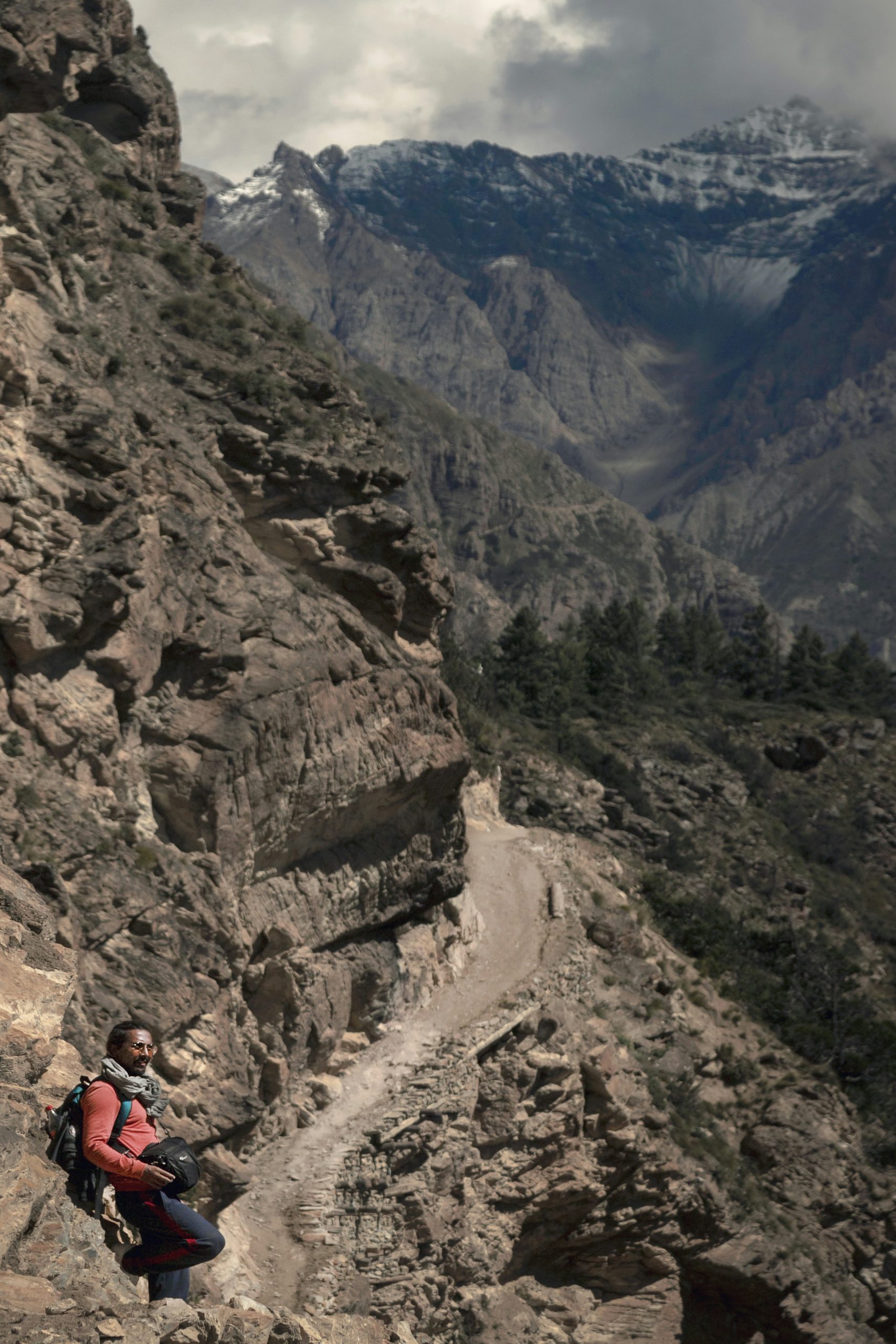
Today’s journey leads you deeper into Upper Dolpo’s untouched interior. You gradually ascend through wild, glacial valleys, passing under rock walls painted with mineral deposits in shades of red, ochre, and black. The trail follows the river, crossing it multiple times on temporary wooden bridges. As you approach Phoksundo Bhanjyang, the alpine vegetation thins, replaced by scree and tundra. Camp is set on wide yak pastures below the base of Kang-La Pass—your biggest challenge yet. This remote setting offers complete solitude under a blanket of stars.

  • Tea Tea House/ Lodge
  • Breakfast, Lunch, Dinner
  • 5-6 hours
  • 11 km

An early start today is crucial as you climb steep switchbacks toward Kang-La Pass. The climb is demanding, especially with the altitude, but every step reveals increasingly dramatic views. At the top—5,360 meters—you’ll be rewarded with panoramic vistas of the Crystal Mountains, the barren expanses of Dolpo, and distant peaks in Tibet. After soaking in the sights, descend a steep rocky trail into the mystical valley of Shey. Colorful chortens and prayer flags welcome you to Shey Gompa, one of Dolpo’s holiest sites, nestled in a remote basin at the foot of the sacred Crystal Mountain.

  • Tea Tea House/ Lodge
  • Breakfast, Lunch, Dinner
  • 6-7 hours
  • 15 km

Today is a spiritual and cultural highlight. Shey Gompa, known as the Crystal Monastery, is an 11th-century structure associated with the Bon and Tibetan Buddhist faiths. You’ll join the monks for a short ceremony, explore the monastery, and hear local legends of Padmasambhava and the founding of the gompa. If you’re feeling active, take a short hike around Crystal Mountain, considered sacred by locals. Pilgrims often circumambulate the mountain in a ritual known as the kora. The serenity of this valley, steeped in centuries of spiritual devotion, leaves a lasting impression.

  • Tea Tea House/ Lodge
  • Breakfast, Lunch, Dinner
  • NA
  • NA

Leaving the sacred grounds of Shey, the trail climbs through a narrow gorge and ascends steadily toward Saldang La Pass, the second high pass of your trek. The landscape becomes more arid and stark, marked by wind-swept ridges and high-altitude grasslands. Reaching the top of the pass, you’re rewarded with sweeping views of the Dolpo plateau—endless ochre hills stretching toward Tibet.

The descent takes you into the secluded Namgung Valley. You’ll spot Namgung Gompa, perched dramatically on a cliffside, built using stone and wood in true Tibetan style. The monastery is home to a few monks and displays ancient murals and religious artifacts that reflect centuries of spiritual life in this isolated region. Tonight, you’ll camp nearby, surrounded by dry hills and timeless silence.

  • Tea Tea House/ Lodge
  • Breakfast, Lunch, Dinner
  • 6-7 hours
  • 15 km

dramatic views of the valley below. The landscape is distinctly Tibetan—rugged, dry, and layered in shades of red and gold.

After a few hours, the village of Saldang appears below—a surprisingly large and prosperous settlement considering its isolation. Located on a strategic trade route to Tibet, Saldang is known for its barley fields, prayer walls, and whitewashed homes with brightly painted windows. Explore the village, meet local families, and witness the region’s deep-rooted Bon traditions. You might even see traders and herders arriving with goods from the border.

  • Tea Tea House/ Lodge
  • Breakfast, Lunch, Dinner
  • 4-5 hours
  • 10 km

Today’s walk follows the Nang Chu River, cutting through some of Dolpo’s most captivating desert-like terrain. You’ll pass several small settlements, where life is sustained through farming, livestock, and trade with Tibetan communities.

The silence of the trail is occasionally broken by the gentle jingling of yak bells or the distant chants from household prayer rooms. By late afternoon, you’ll arrive at Rakyo, a lesser-known but beautiful campsite tucked along the river.

  • Tea Tea House/ Lodge
  • Breakfast, Lunch, Dinner
  • 5-6 hours
  • 12 km

Climbing back into rugged alpine terrain, the trail gains elevation steadily today. The scenery shifts to a wilder, wind-swept world of rocks, sparse grasses, and cold streams. You’ll follow a trail once used by salt traders, hugging narrow ridgelines and remote canyons.

Tonight’s High Camp is set below the next major pass you’ll cross. The area is remote and untouched—a perfect place to experience the raw wilderness of Upper Dolpo. The sky here feels impossibly big, and stars seem to burn brighter than anywhere else.

  • Tea Tea House/ Lodge
  • Breakfast, Lunch, Dinner
  • 5-6 hours
  • 10 km

From High Camp, begin an early and slow ascent to your final high pass. As you climb, take time to appreciate the quiet strength of the mountains around you—jagged peaks carved by wind and snow for millennia.

After crossing the pass, descend into the Tarap Valley, a stunning region of green meadows, chortens, and scattered villages. You’ll eventually reach Tokyu Gaon, one of the highest permanent settlements in the world. The village is home to centuries-old gompas, friendly locals, and surprisingly lush farmland fed by glacial streams.

  • Tea Tea House/ Lodge
  • Breakfast, Lunch, Dinner
  • 6-7 hours
  • 15 km

Today is an easy and short trek compared to previous days, allowing your body to rest and your mind to soak in the rich cultural beauty of the Tarap Valley. The trail gently descends past barley fields, mani walls, and traditional stone homes to reach Dho Tarap, one of Dolpo’s cultural gems.

Dho is a fascinating village where Bon and Tibetan Buddhist traditions coexist. You’ll have time to visit local homes, schools, and monasteries and engage with villagers who still wear traditional attire and speak the unique Dolpo dialect. It’s a place where the old ways of life remain preserved—a highlight for anyone interested in culture, people, and history.

  • Tea Tea House/ Lodge
  • Breakfast, Lunch, Dinner
  • 2 hours
  • 6 km

Leaving Dho Tarap, the trail descends through a breathtaking gorge carved by the Tarap Khola. Today’s walk feels like a journey through time—past yak herders’ huts, crumbling chortens, and occasional blue sheep grazing on sparse alpine vegetation.

As you descend deeper into the valley, the landscape transitions from arid plateaus to greener terrain, with bushes and birch trees appearing along the riverside. The path can be narrow and technical in places, cut into cliffs above the river.Tonight’s camp at Nawarpani, nestled beside the confluence of rivers and cliffs, offers the calming sound of rushing water and a well-earned rest under the stars.

  • Tea Tea House/ Lodge/ Tent
  • Breakfast, Lunch, Dinner
  • 6-7 hours
  • 15 km

Today’s trail leads you through one of the most dramatic sections of the Lower Dolpo. The gorge becomes narrower and steeper, and the river thunders below you. At times, the trail is carved directly into the rock wall—an exhilarating walk for adventurous souls.

Passing occasional suspension bridges and simple stone shelters, you’ll reach Laina Odar, a serene resting spot built into a forested nook of the gorge. It’s the perfect place to reflect on your journey so far. Tonight, fall asleep to the sound of pine leaves rustling in the wind and water echoing below.

  • Tea Tea House/ Lodge/Tent
  • Breakfast, Lunch, Dinner
  • 5–6 hours
  • 14 km

Today, the scenery shifts again—ushering you into lush forests, terraced fields, and charming villages. You’ll pass Lalberi Village, where locals may greet you with curiosity and smiles, and the trail begins to feel more “connected” to the world again.

Eventually, you arrive in Tarakot, a historic village once used as a fortress during the Malla period. Its crumbling walls and colorful houses give a glimpse of Dolpo’s medieval past. Visit Sandul Gompa, dramatically perched at the confluence of the Barbung and Tarap rivers.This is your last camp in the inner Dolpo—tomorrow you reconnect with the road and civilization.

  • Tea Tea House/ Lodge
  • Breakfast, Lunch, Dinner
  • 5–6 hours
  • 16 km

Your final trekking day starts early, tracing the Thulo Bheri River downstream. You’ll walk past farms, stone bridges, and peaceful villages that mark the transition from the high Himalayas to mid-hill life.

Arriving at Dunai, where your trek began over two weeks ago, you can take a break, celebrate with your trekking crew, and enjoy a fresh meal. From Dunai, a short jeep ride brings you back to Jhupal, where you’ll spend your last night in the Dolpo region. The comforts of a bed, electricity, and conversation with fellow trekkers will feel well-earned.

  • Tea Tea House/ Lodge
  • Breakfast, Lunch, Dinner
  • 5–6 hours
  • 15 km

After breakfast, take the morning flight to Nepalgunj, and then a connecting flight back to Kathmandu. As you return to the bustling capital, the sounds and sights of the city may feel surreal after so many days in the wilderness.

Our team will transfer you to your hotel, where you can shower, relax, and enjoy the comforts of modern life again. In the evening, consider treating yourself to a celebratory dinner and sharing stories with fellow travelers.

  • Tea Tea House/ Lodge
  • Breakfast, Lunch, Dinner
  • 40 mins to Nepalgunj + 50 mins to Kathmandu
  • NA

After your epic journey through the remote wilderness of Upper Dolpo, today is a cultural immersion day in the Kathmandu Valley—rich with ancient history, timeless architecture, and vibrant local life.

After breakfast, our guide will take you on a guided tour of two of the valley’s most iconic UNESCO World Heritage Sites—Patan Durbar Square and Bhaktapur Durbar Square.

First, you’ll drive to Patan, also known as Lalitpur, the City of Fine Arts. Here, you’ll explore the Krishna Mandir, Hiranya Varna Mahavihar (Golden Temple), and ancient palace courtyards like Mul Chowk. Patan is a living museum of Newari architecture, stone carvings, and traditional metalwork. Strolling through its alleys filled with artisans and incense will feel like stepping back in time. Visit Healing bowl center, to witness Heal bowl medatations.

Next, you’ll continue to Bhaktapur, the best-preserved medieval city in Nepal. Walk through its brick-paved squares, past intricate wood carvings and timeless temples like Nyatapola, the 55-Window Palace, and the Vatsala Temple. The slower pace of Bhaktapur and its artistic soul will provide a beautiful contrast to the raw, rugged experience of the Dolpo trek and also visit the famous Thangka school. Don’t forget to taste the local specialty—Juju Dhau, the “King of Yogurt.”, Yomari, Newari khaja platter, Bara (Lentils based pancake) and many more throughout the narrow alleyways and streets of the square.

After soaking in the spiritual and cultural richness of the valley, you’ll return to your hotel in Kathmandu in the late afternoon. Later in the evening headout for authentic Nepali dinner along with cultural dances and Folk songs. Later if energy permits head towards Thamel market to explore thamel nightlife with our representative as a guide.

  • Tea 3-Star Hotel
  • Breakfast and Farewell dinner
  • Full day

Your journey through one of Nepal’s most remote and mystical regions comes to a close today. A representative from our team will transfer you to Tribhuvan International Airport, ensuring you arrive at least three hours before your flight.

As you soar over the Himalayas one last time, take with you the memories of sacred monasteries, turquoise lakes, snowy passes, and the deep human spirit that thrives in Dolpo’s remote corners.Namaste and see you again on your next adventure!

  • Tea NA
  • Breakfast
  • NA
  • 5 km
Altitude Chart

Our team guides, porters and accompanying staff are locals with a broad knowledge about each and every location that we travel through.

Cost Includes
  • Airport pickup and drop-off by private vehicle in Kathmandu.
  • Trek completion certificate from Holyland Adventure tours and Travels.
  • Farewell dinner
  • Four nights’ in 3-Star hotel accommodation in Kathmandu with breakfast.
  • One night hotel stay in Nepalgunj with breakfast.
  • Full board meals (vegetarian/non-vegetarian) during camping trek.
  • Tea and coffee included with meals during trek.
  • Twin-sharing waterproof tents for camping (two-person tents).
  • Dining tent, kitchen tent, and toilet tents provided.
  • Tables, chairs, and kitchen utensils for meals.
  • All necessary paperwork and permits for Shey Phoksundo National Park entry.
  • Upper Dolpo Restricted Area trekking permits.
  • Domestic flights: Kathmandu–Nepalgunj–Jhupal–Nepalgunj–Kathmandu for clients and crew.
  • Ground transportation for clients and trekking crew.
  • Experienced government licensed, English-speaking trekking guide with his/her salary, food, accommodation, transport, and insurance.
  • Experienced porters with safety equipment (one porter for two trekkers) including salary, food, accommodation, and insurance.
  • Assistant guide and documentary team for groups of eight or more.
  • Comprehensive first aid and medical supplies during trek.
  • Emergency helicopter evacuation arrangement (paid by your travel insurance).
  • Use of sleeping bag, down jacket, duffel bag, and walking poles (to be returned after trek).
  • All government taxes and official fees.
  • Guided sightseeing tour of Kathmandu Valley by private vehicle with a professional guide.
  • Daily oxygen saturation monitoring using pulse oximeter to monitor altitude sickness symptoms.
Cost Excludes
  • Lunch and dinner meals in Kathmandu and Nepalgunj.
  • Cost arriase due to unforseen circumstances.
  • Nepal entry visa fees ($30 USD for 15 days, $50 USD for 30 days, $125 USD for 90 days).
  • International airfare to and from Nepal.
  • Personal travel and medical insurance (mandatory).
  • Personal expenses such as alcoholic and non-alcoholic drinks.
  • Snacks, bottled water, extra food, desserts, and sweet treats.
  • Hot showers and battery charging at tea houses.
  • Tips for guides, porters, and drivers (tipping is customary).
  • Monument entrance fees during Kathmandu sightseeing (approx. $30 USD).
  • Excess baggage fees on Juphal flight for luggage over 10 kg.
  • Costs related to early return or abandonment of trek (non-refundable fees for flights, hotels, and meals).
  • Additional accommodation and food expenses if staying longer in Kathmandu due to early return or delays.
Departure Dates
  • We have daily departures for this trip from March to May and from mid-September to mid-December. You can type in the number of passengers to book a reservation and select a date that is convenient for you. Due to group size, we never cancel a trip once you’ve made a reservation. If you would rather join the group, we will add more travelers on the selected date. You can let us know once you make a reservation or earlier.
Useful Info
  • Optimal Trekking Seasons: The best times to explore Upper Dolpo are spring (April to June) and autumn (September to November). During these months, expect clear skies, comfortable temperatures, and minimal rainfall—perfect for trekking and photography.
  • Required Permits: Trekking in Upper Dolpo requires special permits, including the Upper Dolpo Restricted Area Permit and Shey Phoksundo National Park Permit. These permits are arranged by your trekking company, ensuring hassle-free access.
  • Altitude Awareness: The trek reaches its highest point at Kang-La Pass (5,360 meters). Proper acclimatization, a gradual ascent, and awareness of altitude sickness symptoms are crucial for a safe journey.
  • Fitness Level: Moderate to good physical fitness is recommended. Regular cardiovascular training and hiking practice before your trip will enhance your stamina and enjoyment.
  • Accommodation & Camping: Expect a mix of camping in well-equipped tents during remote stretches and basic lodges in villages. The camping gear provided is high quality for comfort and safety.
  • Packing Essentials: Layered clothing for changing weather, durable trekking boots, a warm sleeping bag, sun protection (hat, sunglasses, sunscreen), and water purification tablets or filters are must-haves.
  • Health & Safety: Bring a personal first aid kit. The trekking company provides oxygen meters to monitor your health. Travel insurance with emergency evacuation coverage is strongly advised given the remote location.
  • Connectivity: Mobile phone coverage is extremely limited or non-existent throughout much of Upper Dolpo. Prepare for digital detox and enjoy the unplugged wilderness experience.
  • Cash & Expenses: Carry enough Nepalese Rupees before the trek as ATMs or banking services are unavailable in the region. Plan your cash for extra expenses like drinks, snacks, or tips.
  • Cultural Etiquette: Upper Dolpo is a culturally rich Tibetan Buddhist area. Dress respectfully, ask permission before photographing locals or religious sites, and respect local customs and traditions.
  • Environmental Responsibility: Help preserve this pristine region by minimizing plastic use, avoiding littering, and following Leave No Trace principles. Respect wildlife and local flora.

To ensure a comfortable and safe trek through the remote and rugged Upper Dolpo region, here’s a carefully curated equipment checklist:

  • Backpack: 50-65 liters, durable and comfortable with good support

  • Daypack: 20-30 liters for daily essentials on the trail

  • Clothing:

    • Moisture-wicking base layers (tops and bottoms)

    • Insulating mid-layers (fleece or down jacket)

    • Waterproof and windproof outer shell jacket and pants

    • Trekking pants and quick-dry shirts

    • Warm hat, gloves, and buff/scarf

    • Thermal underwear for cold nights

    • Comfortable trekking socks (multiple pairs)

  • Footwear:

    • Well broken-in, waterproof trekking boots with good ankle support

    • Lightweight camp shoes or sandals for evenings

  • Sleeping Gear:

    • Sleeping bag rated to at least -10°C (provided by trekking company, but confirm)

    • Sleeping mat (usually provided)

  • Trekking Poles: Adjustable and sturdy, highly recommended for rough terrain

  • Headlamp or flashlight: With extra batteries

  • Water bottles or hydration bladder: Minimum 2 liters capacity

  • Water purification: Tablets, drops, or portable filter

  • Personal hygiene: Toothbrush, toothpaste, biodegradable soap, quick-dry towel, toilet paper, hand sanitizer

  • Sun protection: Sunglasses with UV protection, high SPF sunscreen, lip balm with SPF, sun hat

  • First aid kit: Include blister care, painkillers, altitude sickness medicine, bandages, antiseptic wipes

  • Miscellaneous:

    • Camera with extra batteries and memory cards

    • Power bank for charging devices (note limited electricity on trek)

    • Travel documents and permits (carry copies)

    • Cash in Nepalese Rupees for small purchases and tips

    • Zip-lock bags for waterproof storage

    • Snacks like energy bars, nuts, or dried fruits

    • Notebook or book for leisure

FAQs
  • Most trekkers fly from Kathmandu to Nepalgunj, then take a small domestic flight to Juphal or Jhupal airstrip, the gateway to Upper Dolpo. From Juphal, the trek begins through remote villages and valleys leading to Shey Phoksundo National Park.

  • This trek is quite challenging due to high altitudes (up to 5,360m), remote terrain, and limited facilities. It’s better suited for experienced trekkers with good fitness and prior high-altitude trekking experience. Beginners should prepare thoroughly or consider guided tours with acclimatization days.

  • The ideal trekking seasons are autumn (September to November) and spring (March to May). During these months, the weather is stable, skies are clear, and the temperatures are moderate, making trekking safer and more enjoyable.

  • Yes, the Upper Dolpo region is a restricted area. You will need special trekking permits, including the Upper Dolpo Restricted Area Permit and Shey Phoksundo National Park entry permit. These are usually arranged by your trekking agency.

  • Accommodation is mostly camping in tents provided by the trekking operator. Lodges and tea houses are very limited or nonexistent in Upper Dolpo, so camping is the standard. The tents include dining and kitchen facilities, and meals are prepared by expert cooks.

  • It is a strenuous trek involving multiple high passes over 5,000 meters, long daily trekking hours, and rugged, remote trails. Trekkers must be physically fit, mentally prepared, and ready for altitude-related challenges.

  • Upper Dolpo is rich in Tibetan Buddhist culture with ancient monasteries like Shey Gompa, and traditional Bon villages. Wildlife includes blue sheep, Himalayan marmots, snow leopards (rare), and various birds endemic to the region.

  • Connectivity is very limited and mostly unavailable in the remote Upper Dolpo region. It’s best to inform family and friends before your trip that you might be offline for long stretches.

You May Also LikeSimilar Itineraries