Best Time to Trek
The best seasons for the Manaslu Tsum Valley Trek are:
- Spring (March to May): Pleasant weather, blooming rhododendrons, and excellent mountain visibility.
- Autumn (September to November): Stable conditions, crisp skies, and vibrant local festivals.
The monsoon season (June to August) brings heavy rain and the risk of landslides. Winter (December to February) can be extremely cold and snowy, especially at higher elevations.
Difficulty & Fitness Level
This is a challenging trek suited for trekkers with good physical fitness. You should be comfortable walking 6 to 8 hours a day in mountainous terrain. Some previous trekking or multi-day hiking experience is highly recommended.The itinerary includes acclimatisation days to help you adjust to the altitude and reduce the risk of altitude sickness.
Packing Essentials
A proper gear list ensures a safe and comfortable journey. Key items include:
- Layered clothing suitable for both warm days and cold nights
- Thermal base layers and a down jacket
- Sleeping bag rated to -15°C
- Waterproof trekking boots and gaiters
- Trekking poles
- Headlamp, sunglasses, sunscreen, and lip balm
- Personal first-aid kit and necessary medications
- Reusable water bottles and purification tablets
Most trekking gear can be rented or purchased in Kathmandu if needed.
Altitude Sickness & Safety
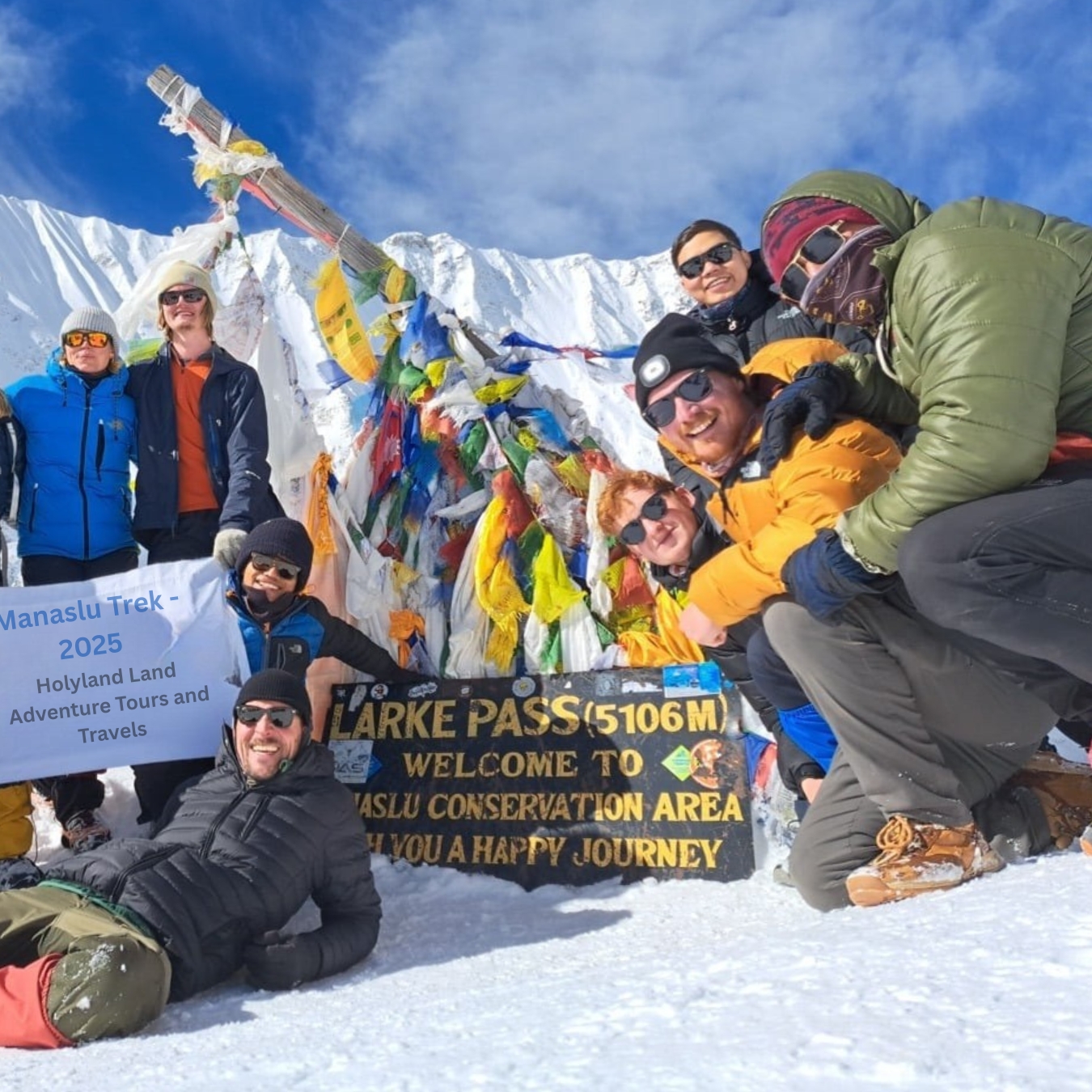
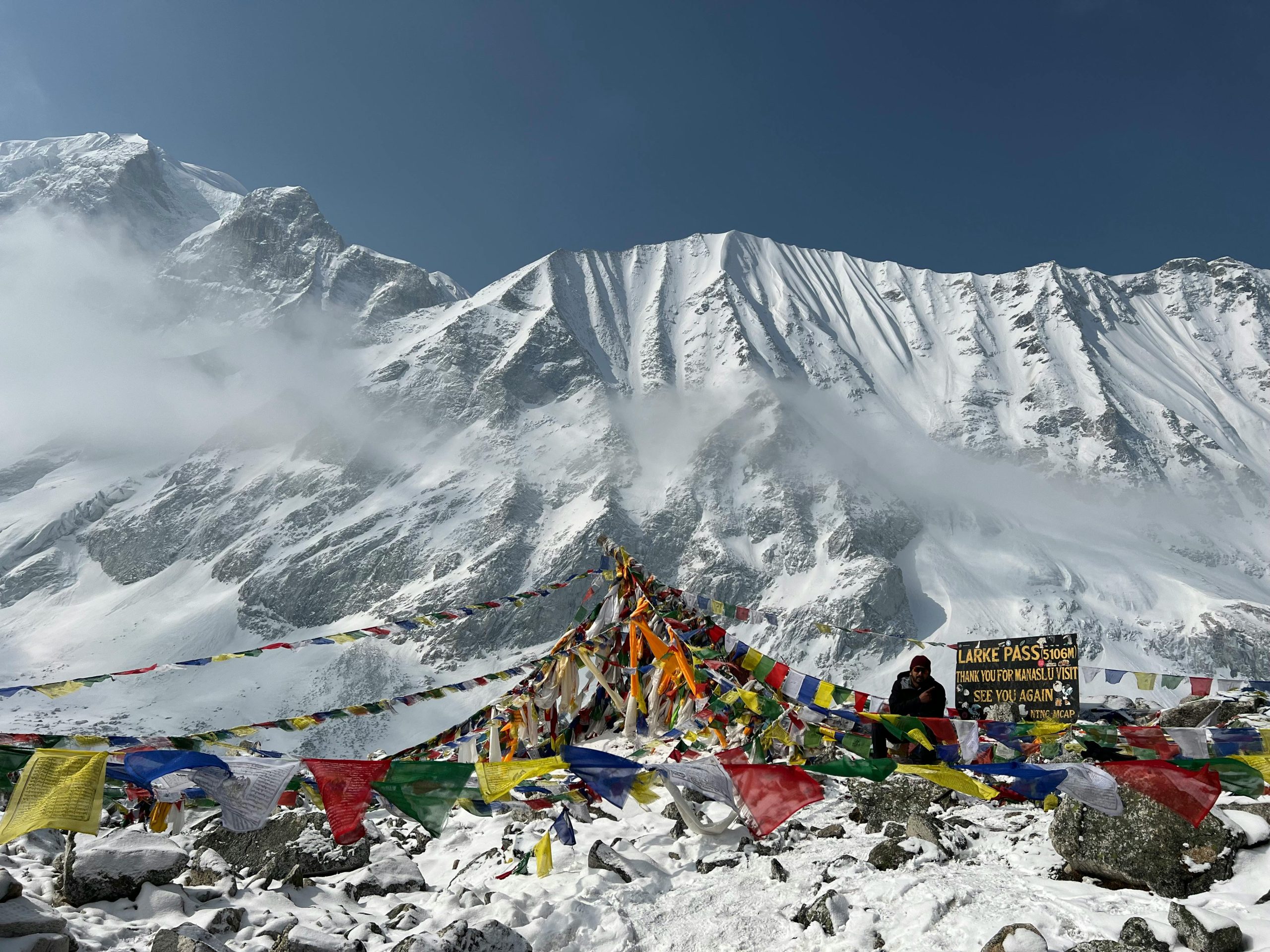
The trek reaches an altitude of 5,160 meters at Larke La Pass. Altitude-related symptoms can occur, but proper acclimatization and hydration significantly help.We have included rest and acclimatization days in Chhokangparo and Samagaon. Our guides carry a first-aid kit and are trained in high-altitude safety. In serious cases, helicopter evacuation is available (covered by travel insurance).
Permits Required
You will need the following trekking permits, which are arranged by us:
- Manaslu Restricted Area Permit
- Tsum Valley Restricted Area Permit
- Manaslu Conservation Area Permit (MCAP)
- Annapurna Conservation Area Permit (ACAP)
Solo trekking is not allowed in this region. A licensed guide and at least one companion are mandatory.
Accommodation and Food
Meals include local Nepali food such as dal bhat, Tibetan bread, momos, noodles, soups, and eggs. Vegetarian options are widely available.Hot showers, charging, and Wi-Fi are available in some places at an extra cost.
Communication & Connectivity
Mobile network coverage is limited in the Manaslu and Tsum regions. Some areas like Samagaon and Samdo may offer paid Wi-Fi.We recommend informing family and friends that you may be out of contact for several days during the trek.
Currency & Tipping
There are no ATMS on the trail. Please withdraw enough cash in Kathmandu before departure. Carry small denominations of Nepali rupees. Tipping is not compulsory but is a common practice in Nepal. Suggested tipping range is USD 100 to 150, shared between your guide and porter.
Having the right gear is essential for your comfort, safety, and success on the trail. Below is a comprehensive list of recommended items. Most gear can be rented or purchased in Kathmandu if needed.
Clothing
Base Layers
- Moisture-wicking T-shirts (2–3)
- Thermal underwear (top and bottom – 2 pairs)
Insulation Layers
- Fleece or wool jacket
- Down jacket (lightweight but warm)
Outer Layers
- Waterproof and windproof jacket (Gore-Tex or similar)
- Waterproof pants
Trekking Pants and Shirts
- Lightweight trekking pants (2 pairs)
- Long-sleeve trekking shirts (2–3)
- Warm trekking trousers for evenings
Undergarments
- Comfortable underwear (4–5 pairs)
- Sports bras (for women)
- Warm wool or synthetic socks (4–5 pairs)
Accessories
- Wool or fleece hat
- Sun hat or cap
- Neck gaiter or buff
- Lightweight gloves (liner gloves)
- Insulated/windproof gloves
Footwear
- Waterproof trekking boots (well broken-in)
- Lightweight camp shoes or sandals
- Gaiters (optional but useful in snow/mud)
Sleeping
- Sleeping bag (rated to -15°C or lower)
- Sleeping bag liner (optional for hygiene and extra warmth)
Trekking Gear
- Backpack (35–45l for daily use)
- Duffel bag (provided by the company, carried by porters)
- Trekking poles (highly recommended)
- Headlamp with spare batteries
- Sunglasses with UV protection
- Water bottles (2 x 1L) or hydration bladder
- Water purification tablets or a filtration system
Toiletries & Personal Items
- Toothbrush and toothpaste
- Biodegradable soap and shampoo
- Wet wipes and quick-dry towel
- Hand sanitizer and face mask
- Sunscreen (SPF 30+)
- Lip balm with SPF
- Nail clipper, razor
First Aid & Health
- Personal medications
- Diamox (for altitude sickness, consult your doctor)
- Pain relievers (paracetamol, ibuprofen)
- Band-aids, blister plasters
- Antiseptic cream
- ORS (oral rehydration salts)
- Motion sickness tablets (optional)
- Tweezers, insect repellent
Electronics & Miscellaneous
- Camera or smartphone with charger/power bank
- Travel adapter (type C/D/M for Nepal)
- Journal or book
- Snacks (energy bars, trail mix, chocolate)
- Plastic zip-lock bags (to protect electronics/papers)
- Small lock for your duffel bag
- Passport copies and permits (carried by the guide)
Optional
- Lightweight binoculars
- Altimeter watch
- Playing cards or compact games



















 Have Questions?
