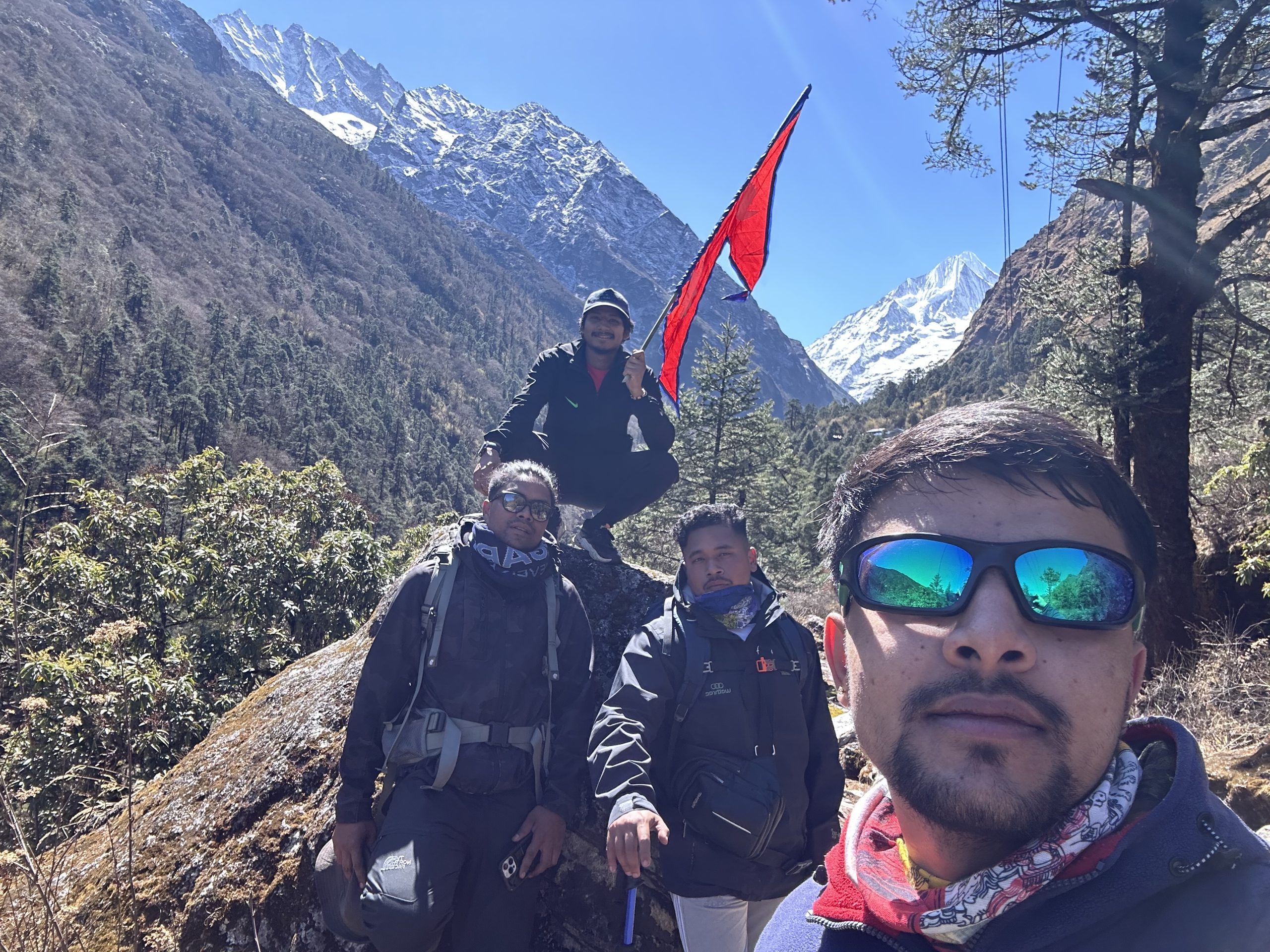
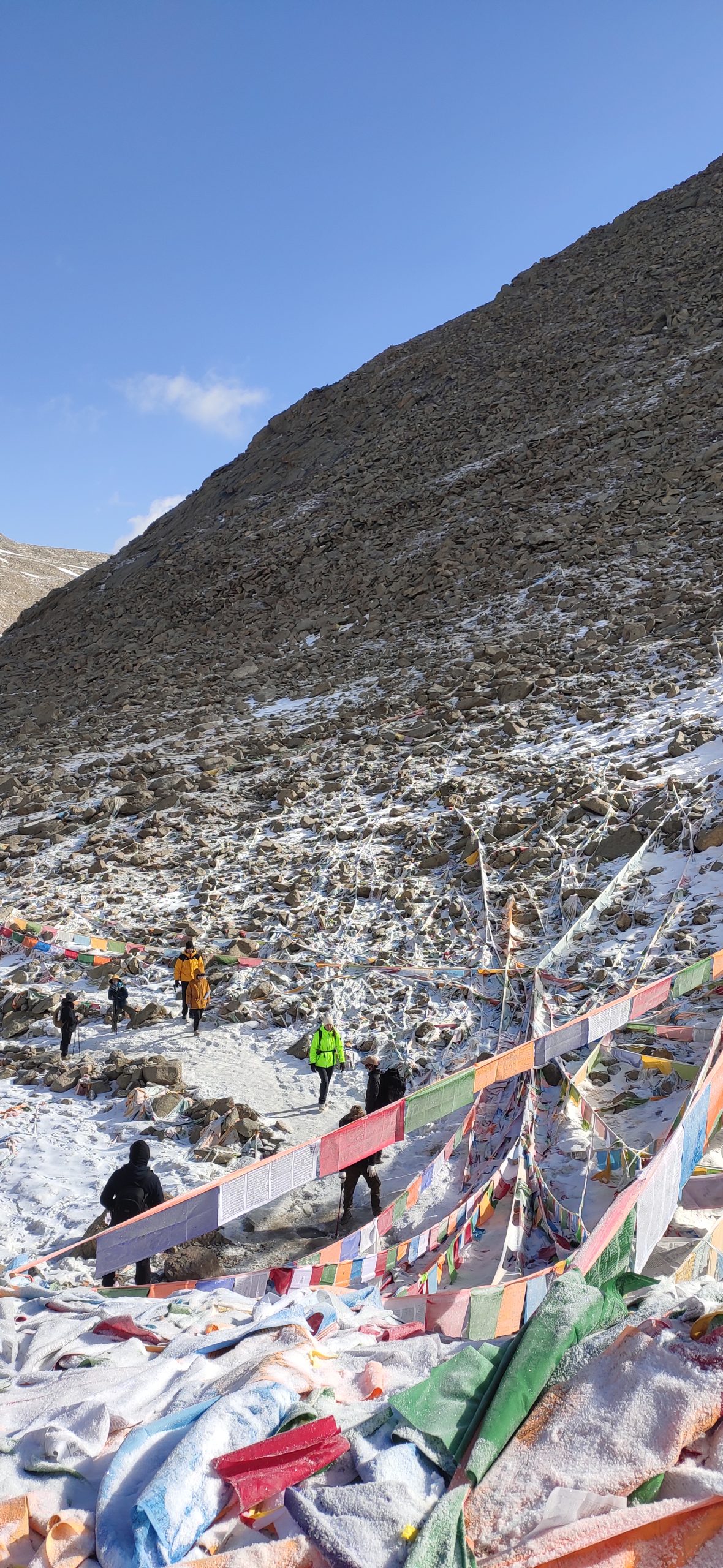
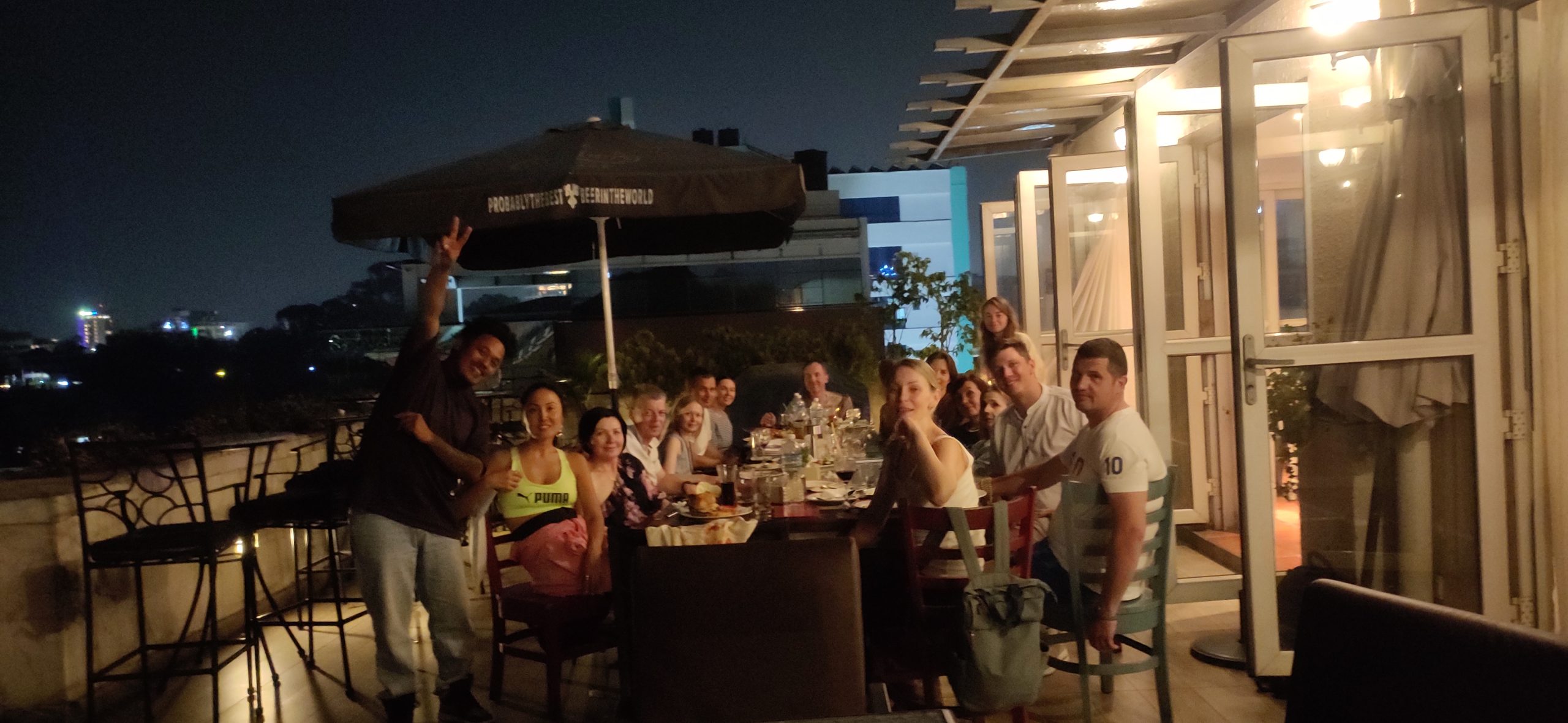
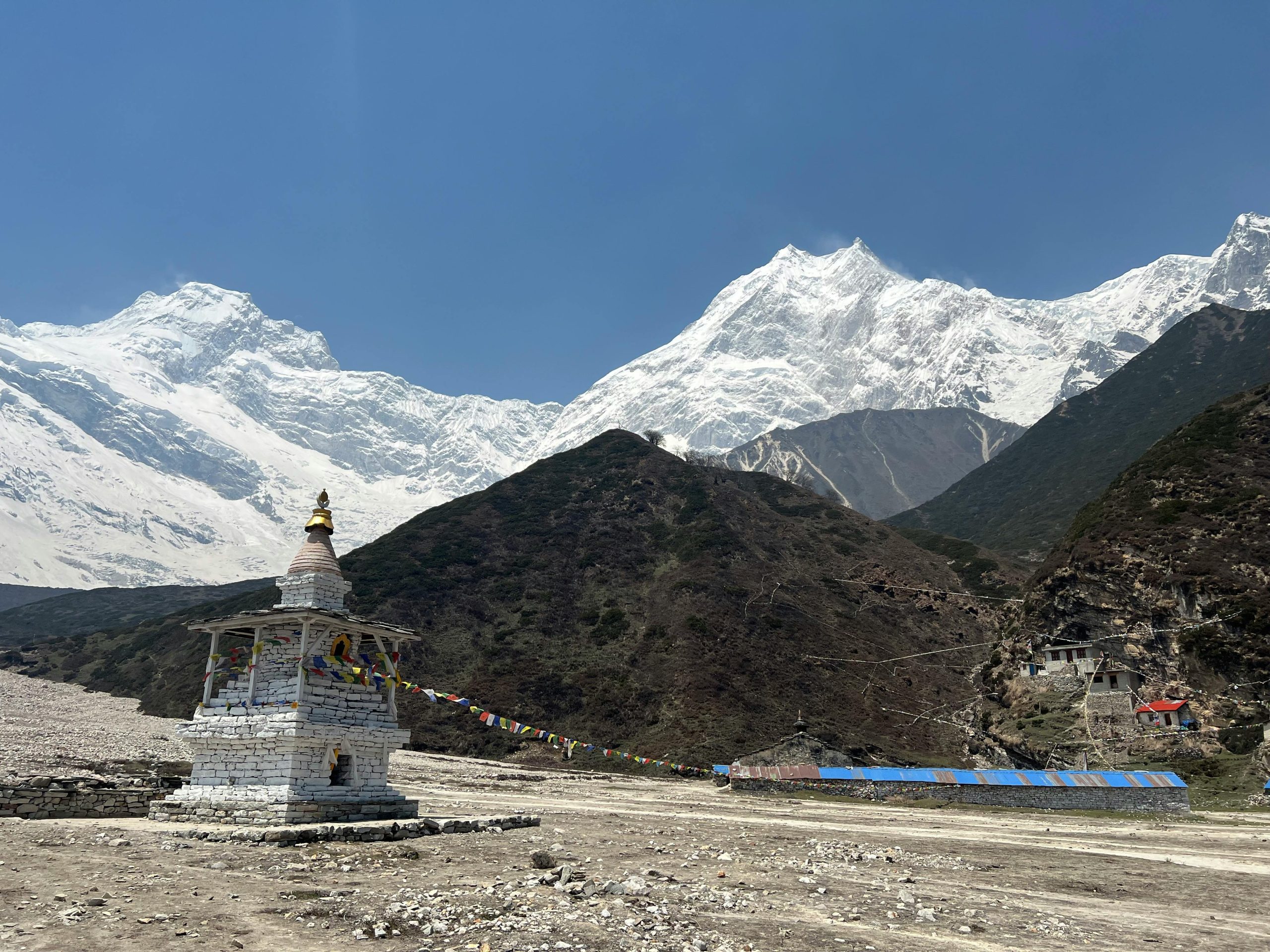
Manaslu Tsum Valley Trek – 23 Days of Sacred Trails and Remote Himalayan Beauty

  • Duration 23
  • Destination Nepal
  • Trip Grade Moderate to Challanging
  • Starts at Kathmandu
  • Ends at kathmandu
  • Meals Breakfast, Lunch, Dinner
  • Accommodation Tea Houses/Lodges
  • Max. Altitude 5,160
  • Activity Trekking
  • Group Type Trekking
  • Group Size 1–12
  • Best Season April-May and Sepember- November
Highlights
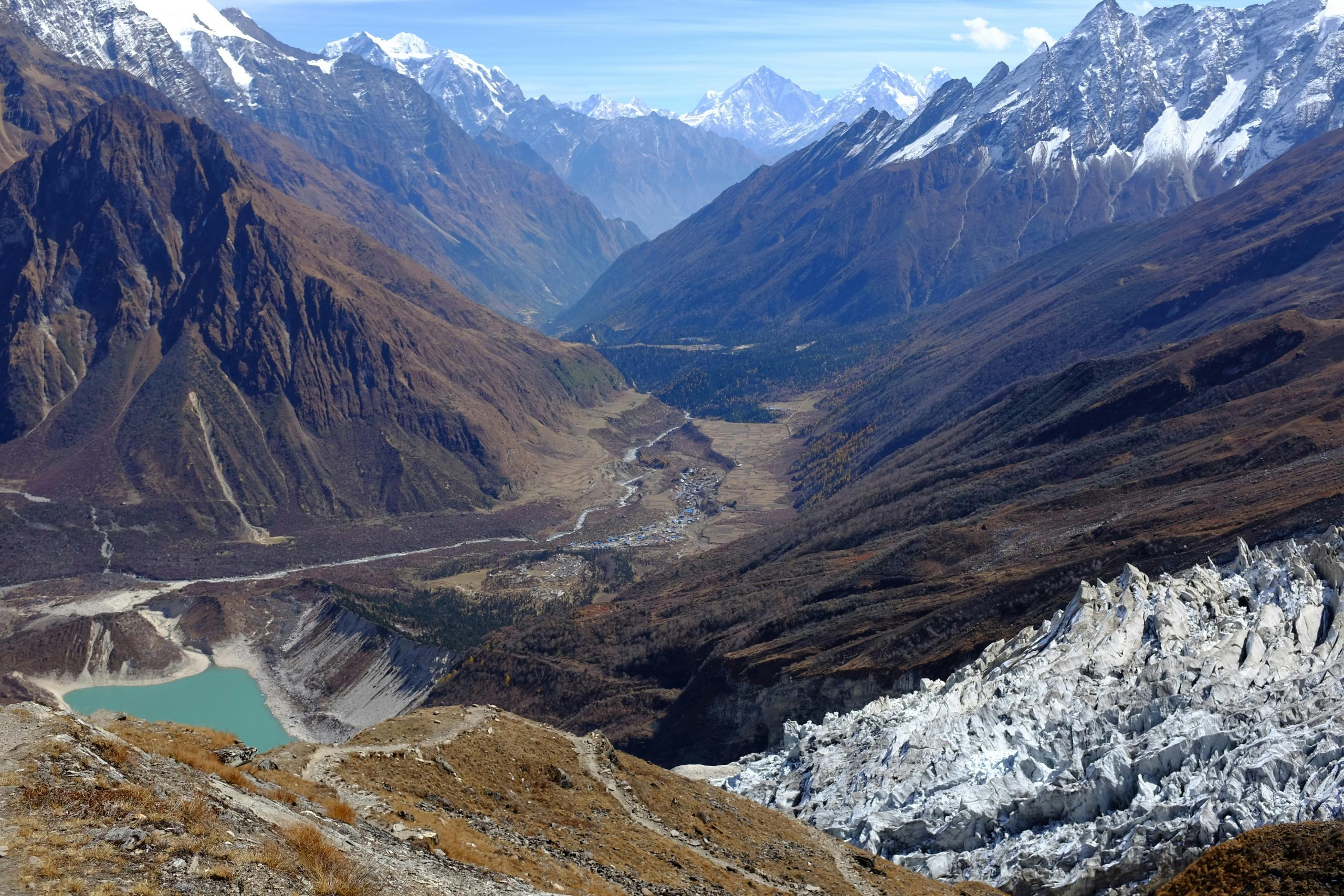
  • Explore the spiritual Tsum Valley, also called the “Hidden Valley of Happiness.”
  • Visit sacred places like Mu Gompa, Rachen Gompa, and Milarepa’s Cave.
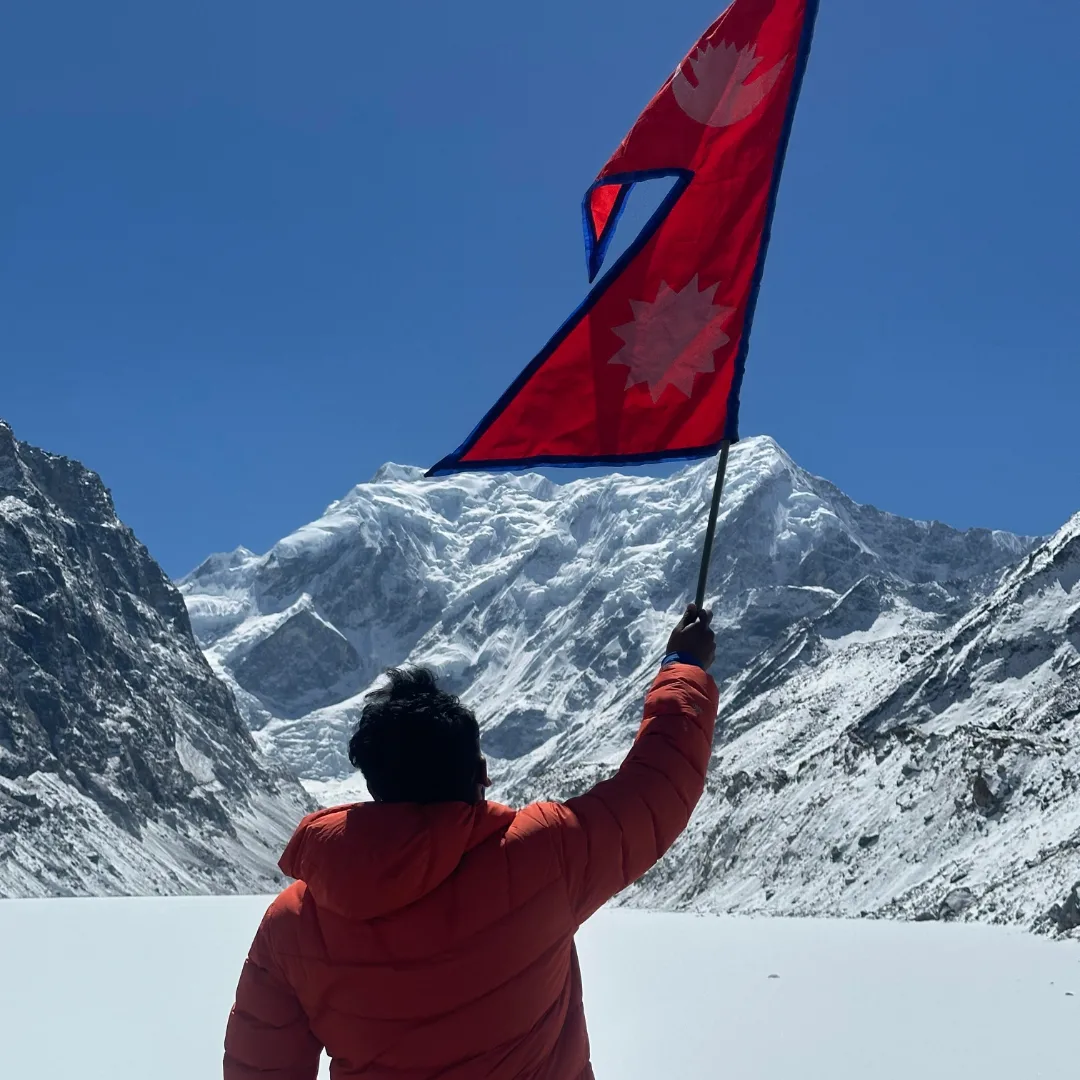
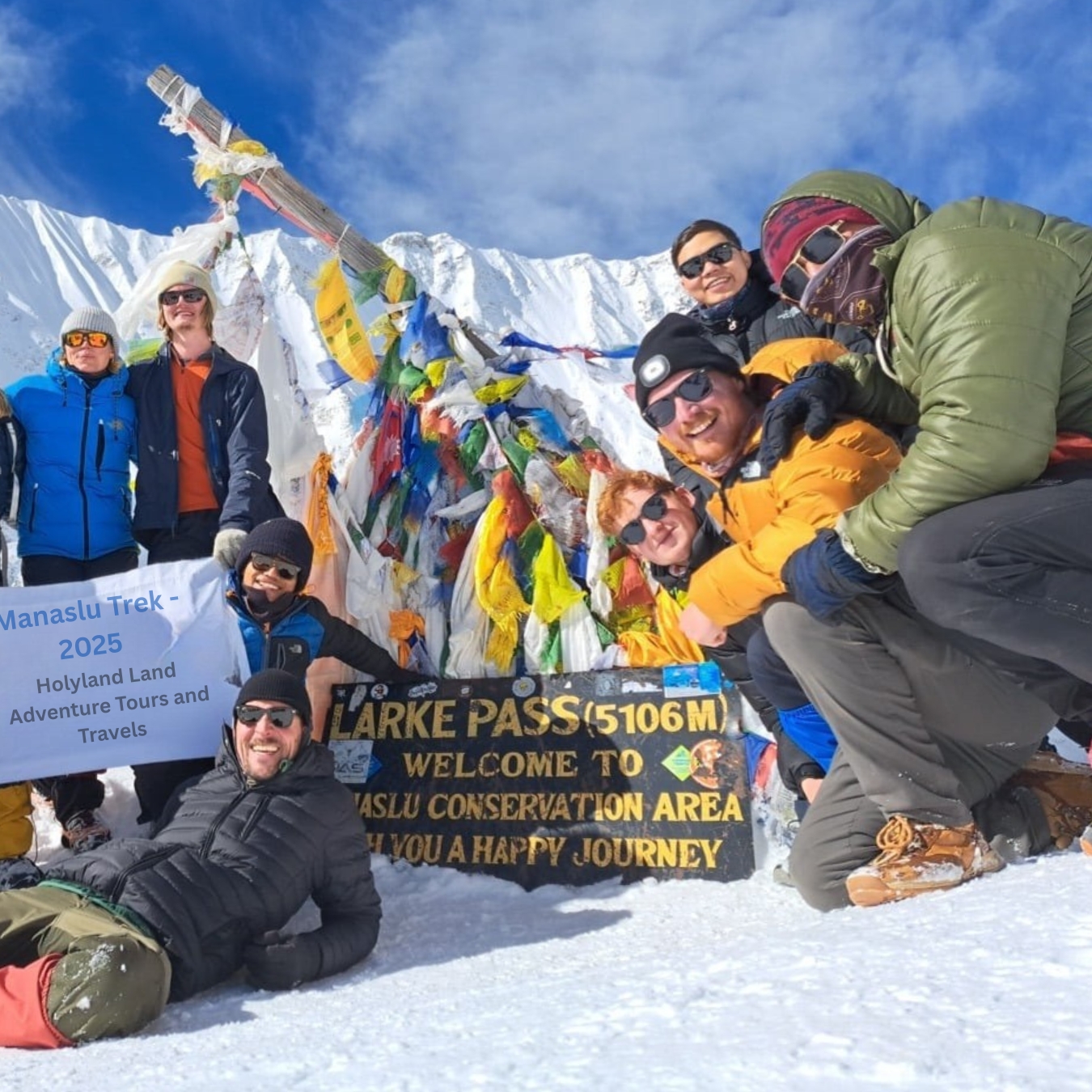
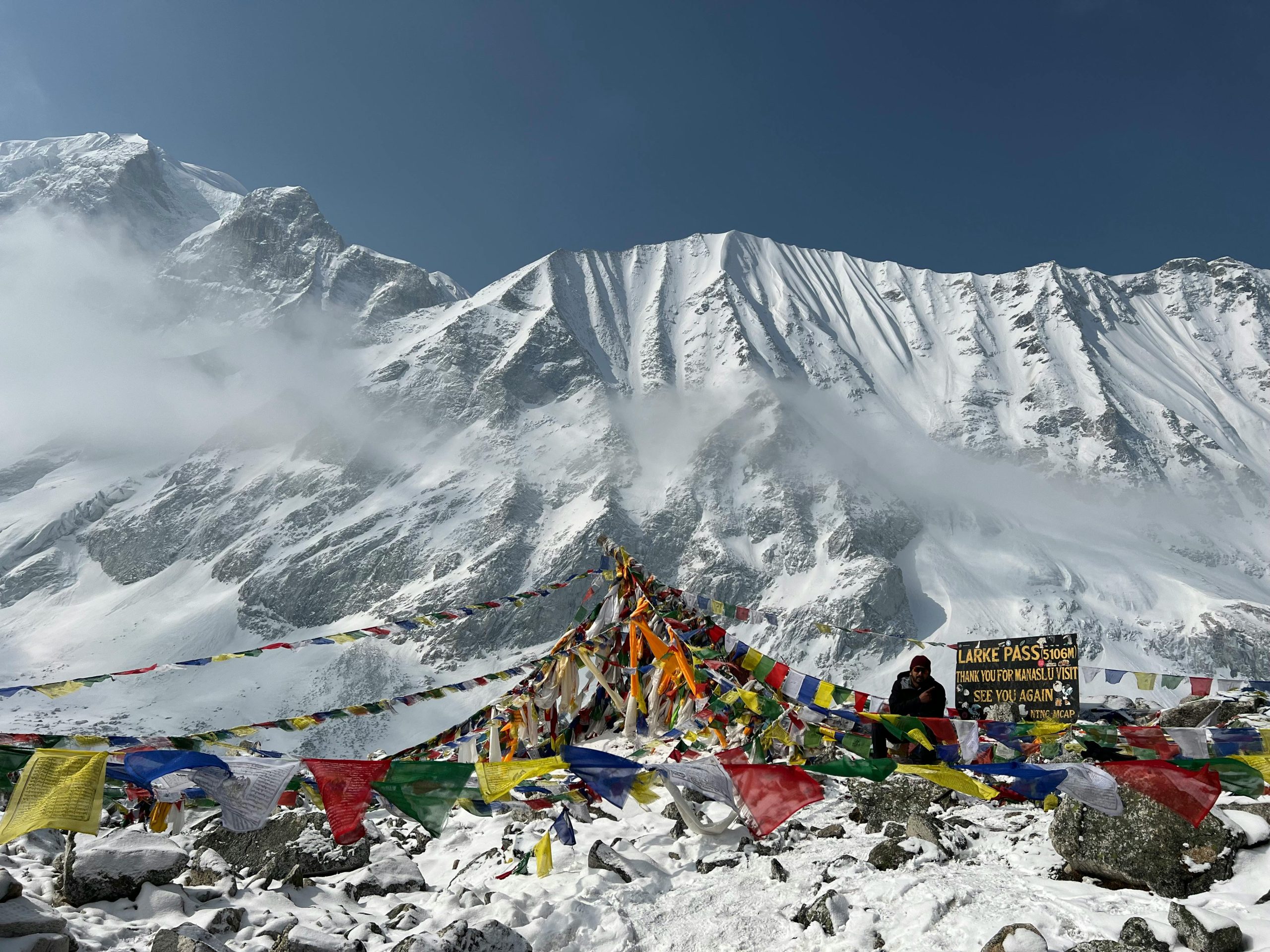
  • Cross the dramatic Larke La Pass (5,160m) with panoramic views of snow-capped peaks.
  • Trek through lush forests, glacial rivers, and high alpine valleys.
  • Discover Tibetan Buddhist culture and remote highland villages.
  • Walk along parts of the Great Himalayan Trail in the restricted Manaslu region.
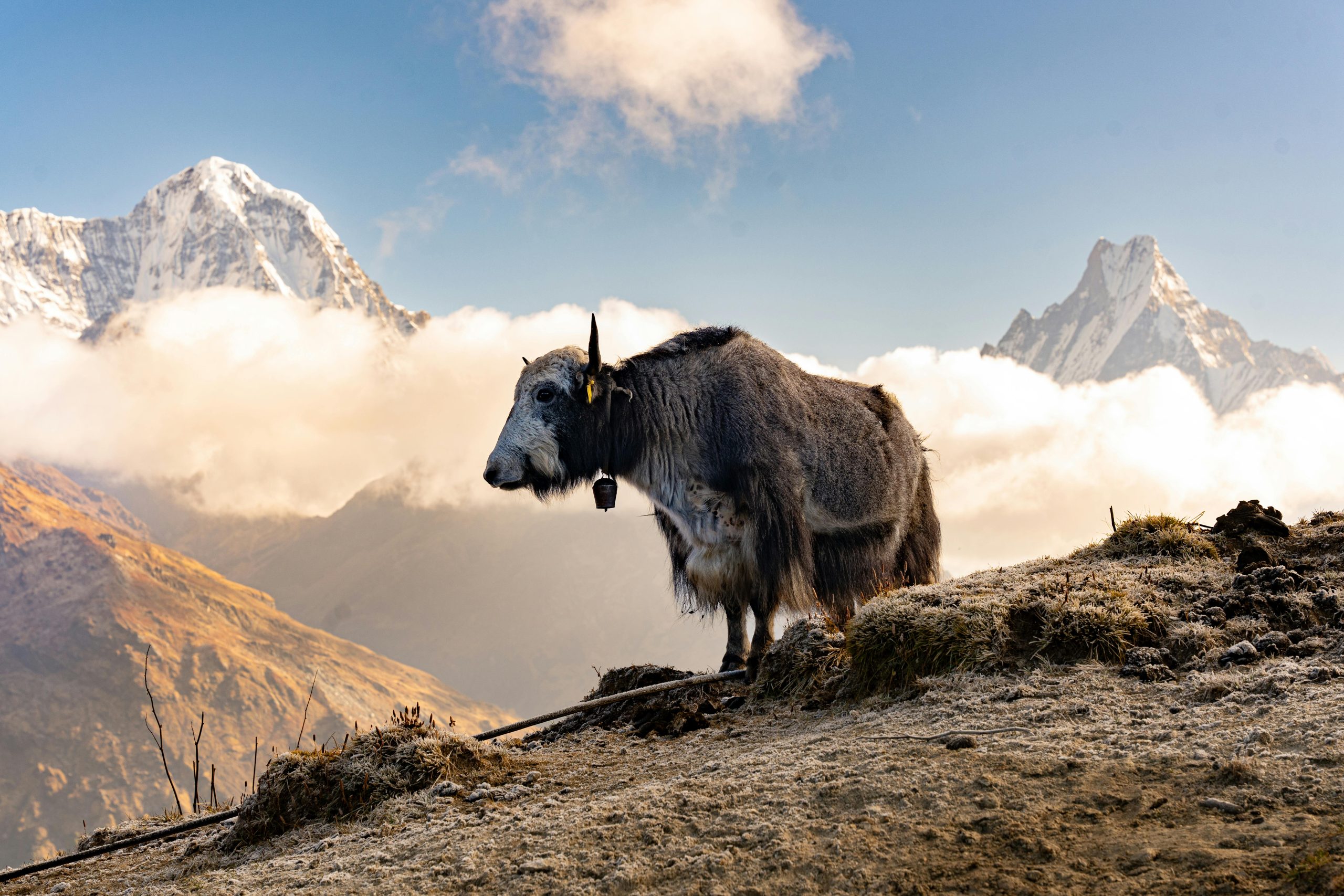
  • Enjoy close encounters with wildlife, yak caravans, and colorful prayer flags.
  • Fewer trekkers – more connection with nature and local life.

Manaslu Tsum Valley Trek – 23 Days of Sacred Trails and Remote Himalayan Beauty Overview

Step into a world untouched by time with our 23-day Manaslu Tsum Valley Trek, a hidden gem in the Nepal Himalayas. This off-the-beaten-path trek takes you deep into the sacred Tsum Valley, known for its strong Tibetan Buddhist culture, ancient monasteries, and peaceful villages.

Trek through the Manaslu Conservation Area,  along wild mountain trails, cross high suspension bridges, and pass through dense forests and remote hamlets. The route connects two unique trekking experiences: the cultural richness of Tsum Valley and the thrill of crossing the Larke La Pass (5,160m) on the classic Manaslu Circuit.

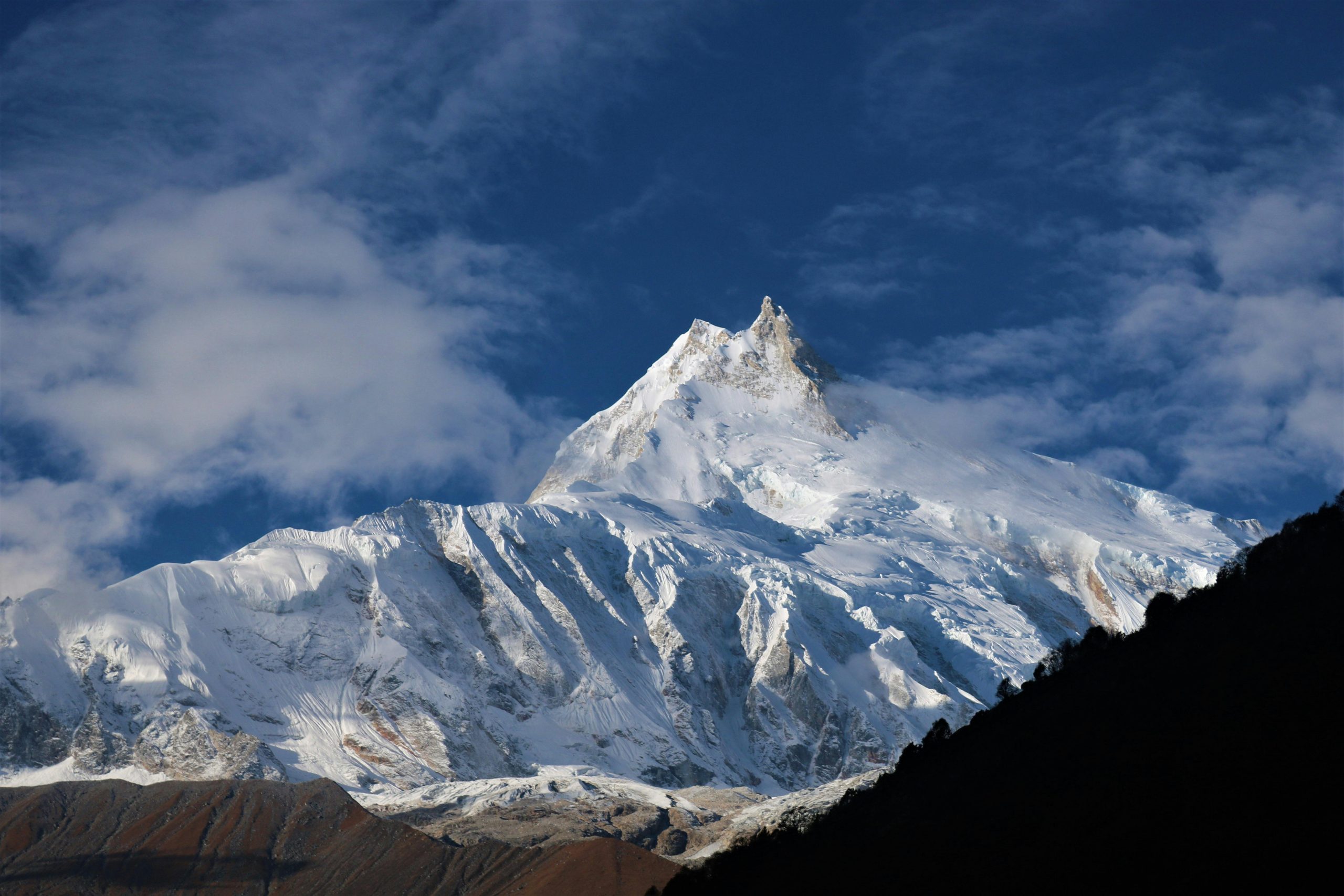
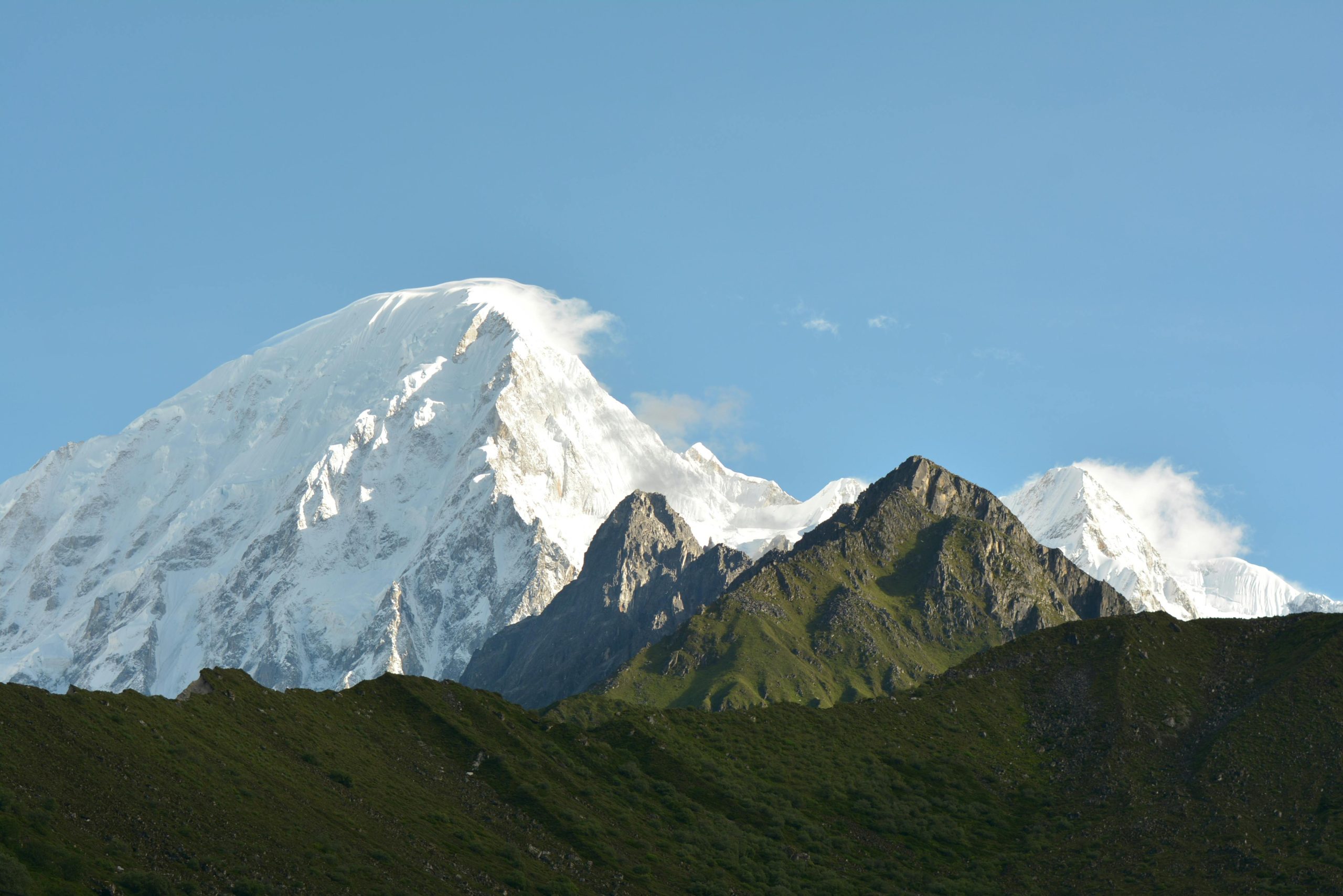
Ideal for adventurous trekkers looking for less crowded trails, this trek offers close-up views of Mount Manaslu (8,163m), Ganesh Himal, Himalchuli, and other peaks. You’ll experience homestays, ancient chortens, and warm local hospitality in a region that opened to outsiders

Why Choose This Trek? (Expanded)

  • Two iconic treks in one: Combine the sacred Tsum Valley and the adventurous Manaslu Circuit into one unforgettable journey.
  • Less crowded alternative to Everest and Annapurna: Experience raw wilderness and authentic villages with fewer trekkers.
  • Deep cultural immersion: Learn about Tibetan Buddhism, interact with monks, and witness sacred rituals at centuries-old monasteries.
  • Unspoiled landscapes: Trek through dense rhododendron forests, terraced fields, wild rivers, and high mountain deserts.
  • Challenge and reward: Crossing the Larke La Pass is physically demanding but incredibly rewarding, offering panoramic Himalayan views.
  • Authentic homestays and tea houses: Sleep in local homes in Tsum Valley and enjoy real Himalayan hospitality.
  • Support sustainable tourism: Your presence helps local economies and supports communities in remote areas.
  • Off-the-beaten-path: The Manaslu Tsum Valley region only opened to foreigners in the 1990s (Manaslu) and 2008 (Tsum), so it remains wild and unique.
  • only recently.
Day to Day Itinerary
Expand all

Welcome to Nepal! Upon your arrival at Tribhuvan International Airport in Kathmandu, our team will warmly greet you and transfer you to your hotel in Thamel, the vibrant tourist hub of the city. Depending on your arrival time, you can rest or immerse yourself in an authentic local experience with our Rickshaw Tour through the bustling alleys of Ason Market, Kathmandu Durbar Square, and the sacred Shree Gha Stupa.

In the evening, we take you to the Pashupatinath Temple, Nepal’s most revered Hindu shrine. Here, join the spiritual energy of the evening Aarati ceremony on the banks of the Bagmati River, where the rhythmic chants, bells, and lamps offer a powerful, soulful atmosphere. Witnessing live cremation rituals nearby may challenge and transform your perception of life and death, inviting deep reflection and peace.

After this powerful cultural introduction, return to Thamel for dinner and any last-minute trekking preparation,s such as checking gear, maps, or buying essential supplies.

  • Tea 3-Star Hotel
  • Breakfast
  • NA
  • 15 km

Today is a cultural immersion day . After breakfast, visit UNESCO World Heritage Sites such as Swayambhunath stupa (Monkey Temple) or Maha Chaitya, one of the biggest stupas in Nepal, Kathmandu Durbar Square and Patan Durbar Square. These iconic spiritual places offer insight into Nepal’s rich traditions. In the Evening, meet your trekking guide, followed by a briefing about your trek, a packing check, trekking gear check to ensure everything is ready for the adventure. Overnight in Kathmandu.

  • Tea 3-Star Hotel
  • Breakfast
  • 6 hours
  • NA

After breakfast, you’ll drive along winding mountain roads to Soti Khola, the starting point of your trek. The journey takes you through beautiful valleys, quaint villages, and river views. Once you arrive, enjoy the calm riverside village atmosphere.

  • Tea Tea house/Lodge
  • Breakfast, Lunch, Dinner
  • 7-8 hours
  • 160 km

The trail begins with gentle climbs and river crossings, following the Budhi Gandaki River. Walk through lush forests and cross several suspension bridges. You’ll reach Machha Khola, a small village perfect for your first night on the trail.

  • Tea Tea house/Lodge
  • Breakfast, Lunch, Dinner
  • 5–6 hours
  • 10 km

Today’s trek climbs steadily with breathtaking views. Pass hot springs at Tatopani and cross more hanging bridges. Jagat is where the Manaslu Conservation Area officially begins and your permits will be checked. Enjoy the friendly village vibe here.

  • Tea Tea house/Lodge
  • Breakfast, Lunch, Dinner
  • 6-7 hours
  • 13 km

The trail ascends through terraced fields and forested hills. You’ll pass small villages and enjoy panoramic mountain views. Lokpa is a quiet village, where you can relax and prepare for entering the Tsum Valley.

  • Tea Tea house/Lodge
  • Breakfast, Lunch, Dinner
  • 5-6 hours
  • 9 km

You’ll now enter the magical Tsum Valley, a region rich in Tibetan culture. The trail weaves through peaceful villages, prayer flags fluttering in the wind. Chumling is a charming village where life feels untouched by time.

  • Tea Tea house/Lodge
  • Breakfast, Lunch, Dinner
  • 5–6 hours
  • 11 km

Today’s trek is a steady climb through pristine forests and open meadows. Chhokhangparo is a remote village with old monasteries and stunning views of surrounding peaks.

  • Tea Tea house/Lodge
  • Breakfast, Lunch, Dinner
  • 5–6 hours
  • 8 km

Trek further into the valley to Nile village, near the important Mu Gompa monastery. This is a spiritual highlight of the trek, where monks pray and locals gather.

  • Tea Tea house/Lodge
  • Breakfast, Lunch, Dinner
  • 6–7 hours
  • 11 km

A shorter day for some rest and exploration. Visit Rachen Gompa, a serene monastery perched above the valley. Wander around and soak in the peaceful mountain atmosphere.

  • Tea Tea house/Lodge
  • Breakfast, Lunch, Dinner
  • 3–4 hours
  • 6 km

Today we cross a river then pass by the village of Chhokang Paro at which point we descend to Chumling. Prior to reaching here we come to a white monastery and head down to the Siyar Khola (river), a good place to rest and refresh. We stay at Chumling for the night.

  • Tea Tea house/Lodge
  • Breakfast, Lunch, Dinner
  • 5–6 hours
  • 10 km

Descend through bamboo forests and farmland to Deng, a larger village nestled alongside the Budhi Gandaki River. Enjoy the sounds of nature and friendly smiles.

  • Tea Tea house/Lodge
  • Breakfast, Lunch, Dinner
  • 6–7 hours
  • 13 km

Begin climbing again through rhododendron and fir forests. Namrung is a historic village with Tibetan influences and an important trade post in the past.

  • Tea Tea house/Lodge
  • Breakfast, Lunch, Dinner
  • 5–6 hours
  • 10 km

You’ll continue climbing through mountain villages with breathtaking views of Ganesh Himal and Mount Sringi. Lho is a peaceful village with traditional Tibetan houses.

  • Tea Tea house/Lodge
  • Breakfast, Lunch, Dinner
  • 5–6 hours
  • 11 km

A shorter day to reach Samagaun, the largest settlement before the high pass. Spend the afternoon acclimatizing and exploring the monastery and shops.

  • Tea Tea house/Lodge
  • Breakfast, Lunch, Dinner
  • 4–5 hours
  • 7 km

Take it easy today. You can rest or choose to hike to Birendra Tal Lake or visit the nearby Manaslu Base Camp and Milarepa’s Cave to learn about Buddhist history.

  • Tea Tea house/Lodge
  • Breakfast, Lunch, Dinner
  • 3–6 hours
  • 5–10 km

A gentle trek to Samdo, the gateway village to the Larkya La Pass. Optional side hikes around glaciers and spectacular viewpoints are available.

  • Tea Tea house/Lodge
  • Breakfast, Lunch, Dinner
  • 3–4 hours
  • 7 km

Gain altitude steadily on this trail to the base camp below the Larkya La Pass. This is your last stop before the big day crossing the pass.

  • Tea Tea house/Lodge
  • Breakfast, Lunch, Dinner
  • 8 km
  • 4–5 hours

This is the most challenging day of the trek. Early morning start to cross Larkya La Pass, the highest point at 5,106m. The views from the top are breathtaking, rewarding your hard work. Descend to Bhimthang for rest.

  • Tea Tea house/Lodge
  • Breakfast, Lunch, Dinner
  • 8–9 hours
  • 16 km

Begin your descent through forests and alpine meadows. Enjoy the changing landscapes and local wildlife on your way to Tilje.

  • Tea Tea house/Lodge
  • Breakfast, Lunch, Dinner
  • 5–6 hours
  • 14 km

A long but mostly downhill trek today, returning to lower altitudes. You’ll pass villages with traditional Tibetan culture before reaching Chamje in the Marsyangdi Valley.

  • Tea 3-Star Hotel
  • Breakfast and Lunch
  • 6-7 hours
  • 175 km

After a hearty breakfast, hop in a vehicle for the scenic drive back to Kathmandu. Reflect on your incredible journey as you pass through lush valleys and towns. Reach Kathmandu Enjoy your last Evening in Nepal. Evening farewell dinner and later explore Thamel.

  • Tea 3-Star Hotel
  • Breakfast and Dinner
  • NA
  • NA

Our team will transfer you to the airport for your flight home. We hope you leave with unforgettable memories of the Himalayas.

  • Tea NA
  • Breakfast
  • NA
  • NA
Altitude Chart

Our team guides, porters and accompanying staff are locals with a broad knowledge about each and every location that we travel through.

Cost Includes
  • Airport Transfers: Pick-up and drop-off at Tribhuvan International Airport.
  • Accommodation in Kathmandu: 3 nights in a 3-star hotel with breakfast (twin/Double).
  • Teahouse Lodging during Trek: Clean and comfortable mountain lodges/tea houses on a twin-sharing basis.
  • Meals During the Trek: Daily 3 meals (breakfast, lunch, dinner) with tea or coffee.
  • Experienced Trekking Guide: English-speaking, government-licensed, first aid-trained local guide.
  • Porter Service: One porter for every two trekkers (carrying max 20 kg total).
  • All Ground Transportation: Private vehicle from Kathmandu to the trek start point and back.
  • Manaslu Restricted Area Permit
  • Manaslu Conservation Area Permit (MCAP)
  • Annapurna Conservation Area Permit (ACAP)
  • Tsum Valley Special Permit
  • TIMS Card (Trekkers’ Information Management System)
  • Duffel Bag for Trekking
  • Company T-shirt & Trekking Map
  • First Aid Kit (carried by guide)
  • All Government Taxes and Official Service Charges
Departure Dates
  • We have daily departures for this trip from March to May and from mid-September to mid-December. You can type in the number of passengers to book a reservation and select a date that is convenient for you. Due to group size, we never cancel a trip once you’ve made a reservation. If you would rather join the group, we will add more travelers on the selected date. You can let us know once you make a reservation or earlier.
Useful Info

Best Time to Trek

The best seasons for the Manaslu Tsum Valley Trek are:

  • Spring (March to May): Pleasant weather, blooming rhododendrons, and excellent mountain visibility.
  • Autumn (September to November): Stable conditions, crisp skies, and vibrant local festivals.

The monsoon season (June to August) brings heavy rain and the risk of landslides. Winter (December to February) can be extremely cold and snowy, especially at higher elevations.


Difficulty & Fitness Level

This is a challenging trek suited for trekkers with good physical fitness. You should be comfortable walking 6 to 8 hours a day in mountainous terrain. Some previous trekking or multi-day hiking experience is highly recommended.The itinerary includes acclimatisation days to help you adjust to the altitude and reduce the risk of altitude sickness.


Packing Essentials

A proper gear list ensures a safe and comfortable journey. Key items include:

  • Layered clothing suitable for both warm days and cold nights
  • Thermal base layers and a down jacket
  • Sleeping bag rated to -15°C
  • Waterproof trekking boots and gaiters
  • Trekking poles
  • Headlamp, sunglasses, sunscreen, and lip balm
  • Personal first-aid kit and necessary medications
  • Reusable water bottles and purification tablets

Most trekking gear can be rented or purchased in Kathmandu if needed.


Altitude Sickness & Safety

The trek reaches an altitude of 5,160 meters at Larke La Pass. Altitude-related symptoms can occur, but proper acclimatization and hydration significantly help.We have included rest and acclimatization days in Chhokangparo and Samagaon. Our guides carry a first-aid kit and are trained in high-altitude safety. In serious cases, helicopter evacuation is available (covered by travel insurance).


Permits Required

You will need the following trekking permits, which are arranged by us:

  • Manaslu Restricted Area Permit
  • Tsum Valley Restricted Area Permit
  • Manaslu Conservation Area Permit (MCAP)
  • Annapurna Conservation Area Permit (ACAP)

Solo trekking is not allowed in this region. A licensed guide and at least one companion are mandatory.


Accommodation and Food

  • In Kathmandu: Comfortable 3-star hotel accommodation with breakfast.

  • During the trek: Lodging in teahouses with basic but clean rooms.

Meals include local Nepali food such as dal bhat, Tibetan bread, momos, noodles, soups, and eggs. Vegetarian options are widely available.Hot showers, charging, and Wi-Fi are available in some places at an extra cost.


Communication & Connectivity

Mobile network coverage is limited in the Manaslu and Tsum regions. Some areas like Samagaon and Samdo may offer paid Wi-Fi.We recommend informing family and friends that you may be out of contact for several days during the trek.


Currency & Tipping

There are no ATMS on the trail. Please withdraw enough cash in Kathmandu before departure. Carry small denominations of Nepali rupees. Tipping is not compulsory but is a common practice in Nepal. Suggested tipping range is USD 100 to 150, shared between your guide and porter.


Having the right gear is essential for your comfort, safety, and success on the trail. Below is a comprehensive list of recommended items. Most gear can be rented or purchased in Kathmandu if needed.


Clothing

Base Layers

  • Moisture-wicking T-shirts (2–3)
  • Thermal underwear (top and bottom – 2 pairs)

Insulation Layers

  • Fleece or wool jacket
  • Down jacket (lightweight but warm)

Outer Layers

  • Waterproof and windproof jacket (Gore-Tex or similar)
  • Waterproof pants

Trekking Pants and Shirts

  • Lightweight trekking pants (2 pairs)
  • Long-sleeve trekking shirts (2–3)
  • Warm trekking trousers for evenings

Undergarments

  • Comfortable underwear (4–5 pairs)
  • Sports bras (for women)
  • Warm wool or synthetic socks (4–5 pairs)

Accessories

  • Wool or fleece hat
  • Sun hat or cap
  • Neck gaiter or buff
  • Lightweight gloves (liner gloves)
  • Insulated/windproof gloves

Footwear

  • Waterproof trekking boots (well broken-in)
  • Lightweight camp shoes or sandals
  • Gaiters (optional but useful in snow/mud)

Sleeping

  • Sleeping bag (rated to -15°C or lower)
  • Sleeping bag liner (optional for hygiene and extra warmth)

Trekking Gear

  • Backpack (35–45l for daily use)
  • Duffel bag (provided by the company, carried by porters)
  • Trekking poles (highly recommended)
  • Headlamp with spare batteries
  • Sunglasses with UV protection
  • Water bottles (2 x 1L) or hydration bladder
  • Water purification tablets or a filtration system

Toiletries & Personal Items

  • Toothbrush and toothpaste
  • Biodegradable soap and shampoo
  • Wet wipes and quick-dry towel
  • Hand sanitizer and face mask
  • Sunscreen (SPF 30+)
  • Lip balm with SPF
  • Nail clipper, razor

First Aid & Health

  • Personal medications
  • Diamox (for altitude sickness, consult your doctor)
  • Pain relievers (paracetamol, ibuprofen)
  • Band-aids, blister plasters
  • Antiseptic cream
  • ORS (oral rehydration salts)
  • Motion sickness tablets (optional)
  • Tweezers, insect repellent

Electronics & Miscellaneous

  • Camera or smartphone with charger/power bank
  • Travel adapter (type C/D/M for Nepal)
  • Journal or book
  • Snacks (energy bars, trail mix, chocolate)
  • Plastic zip-lock bags (to protect electronics/papers)
  • Small lock for your duffel bag
  • Passport copies and permits (carried by the guide)

Optional

  • Lightweight binoculars
  • Altimeter watch
  • Playing cards or compact games
FAQs
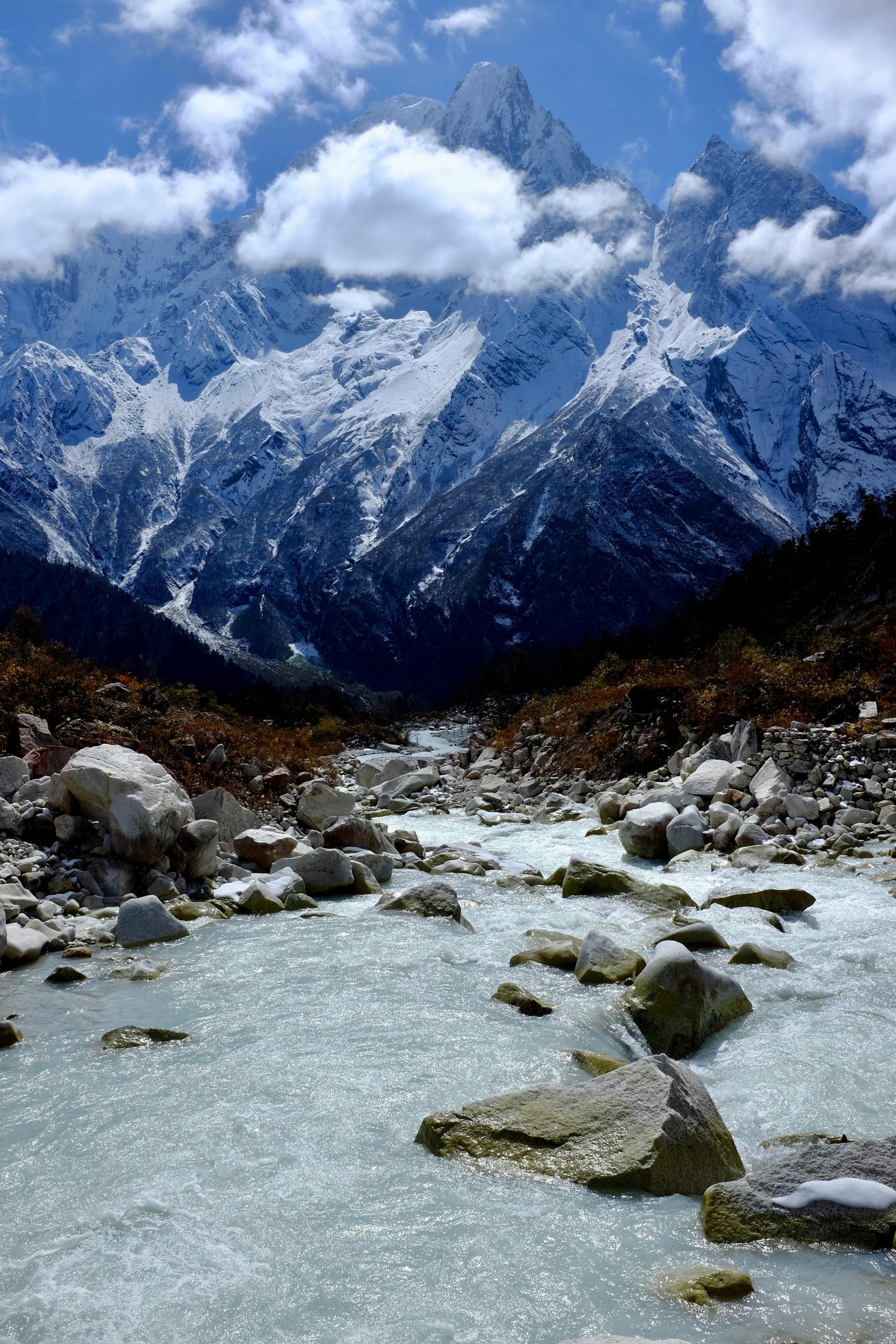
  • Manaslu is located in the west-central part of Nepal, near the border with Tibet. It lies within the Gorkha District and is home to Mount Manaslu (8,163m), the eighth-highest peak in the world. The trekking route circles the Manaslu massif and passes through the culturally rich Tsum Valley.
  • To reach the Manaslu region, you first travel by road from Kathmandu to Machha Khola or Soti Khola, which takes about 8–10 hours by jeep or bus. From there, the trek begins on foot. There are no direct flights or airports in the region, as it’s remote and less developed compared to Annapurna or Everest.

  • No, the Manaslu trek cannot be started directly from Pokhara. The starting point is only accessible by road from Kathmandu.

  • The Manaslu Tsum Valley Trek is not ideal for first-time trekkers. It involves high-altitude passes like Larkya La (5,160m), long trekking days, and limited infrastructure. It’s best suited for those with previous high-altitude trekking experience or excellent physical fitness.

  • Manaslu stands out for its raw wilderness, fewer crowds, and authentic Tibetan-Buddhist culture. Unlike Everest or Annapurna, the Manaslu region offers off-the-beaten-path adventure with monasteries, ancient villages, and preserved customs. The Tsum Valley adds a sacred spiritual dimension, known as a hidden valley of meditation.

  • Yes. Both Manaslu and Tsum Valley are restricted areas that require special permits:

    • Manaslu Restricted Area Permit (RAP)
    • Tsum Valley RAP
    • Manaslu Conservation Area Permit (MCAP)
    • Annapurna Conservation Area Permit (ACAP)
      These must be obtained through a government-registered trekking agency.

  • The highest point of the trek is Larkya La Pass at 5,160 meters (16,929 ft). Altitude sickness is a concern, especially if you ascend too quickly. The trek includes gradual acclimatization days, but you should be aware of symptoms like headaches, nausea, and fatigue.

  • The best seasons are:

    • Autumn (September to November) – Clear skies, stable weather, and best mountain views.
    • Spring (March to May) – Blooming rhododendrons and mild temperatures.
      Avoid the monsoon (June–August) due to landslides, and winter (December–February) if you’re not prepared for snow and freezing temperatures.

  • Some villages have basic mobile coverage (mainly NTC/NCell) and limited Wi-Fi in tea houses. However, you should not expect constant connectivity. For safety, some trekkers carry a satellite phone or local SIM with data where signal is available.

  • You’ll be staying in basic tea houses operated by local families. Rooms are simple with twin beds, shared bathrooms, and common dining areas. Some villages in Tsum Valley are very remote and facilities are minimal. Bring a warm sleeping bag and be ready for cold nights.

  • The cost depends on group size, duration, and services. On average, it ranges from $1,500 to $2,500 USD per person for a 3-week full-service trek, including permits, guide, porter, accommodation, meals, and transport.

  • Technically yes, but the high passes may be blocked by snow in winter (Dec–Feb), and the trails can be dangerous during the monsoon (Jun–Aug). The most recommended seasons are spring and autumn for safety and scenery.

  • Prices range from $1,500 to $2,500 USD per person for a full-service package, depending on group size, duration, and inclusions. Costs cover permits, guide, porter, accommodation, meals, and ground transport.

You May Also LikeSimilar Itineraries
Off Beaten Path: Tsum Valley Trek – 12 Days
Difficulty: Moderate 9 Days
Max. Height: 3,700

US $650

12 Days Manaslu Circuit Trek – Untouched Himalayan Adventure
Difficulty: Moderate 12 Days
Max. Height: 5,160 m

US $1150

Manaslu Tsum Valley Trek – 23 Days of Sacred Trails and Remote Himalayan Beauty
Difficulty: Moderate to Challanging 23 Days
Max. Height: 5,160

US $1790

16-Day Manaslu Tsum Valley Trek: A Spiritual Journey to Hidden Himalayan Paradise Featured
16-Day Manaslu Tsum Valley Trek: A Spiritual Journey to Hidden Himalayan Paradise
Difficulty: Moderate 16 Days
Max. Height: 4,020 m

US $1250

14 Days Manaslu Circuit Trek – Adventure Around the Majestic Manaslu Featured
14 Days Manaslu Circuit Trek – Adventure Around the Majestic Manaslu
Difficulty: Moderate 14 Days
Max. Height: 5,106 m

US $900