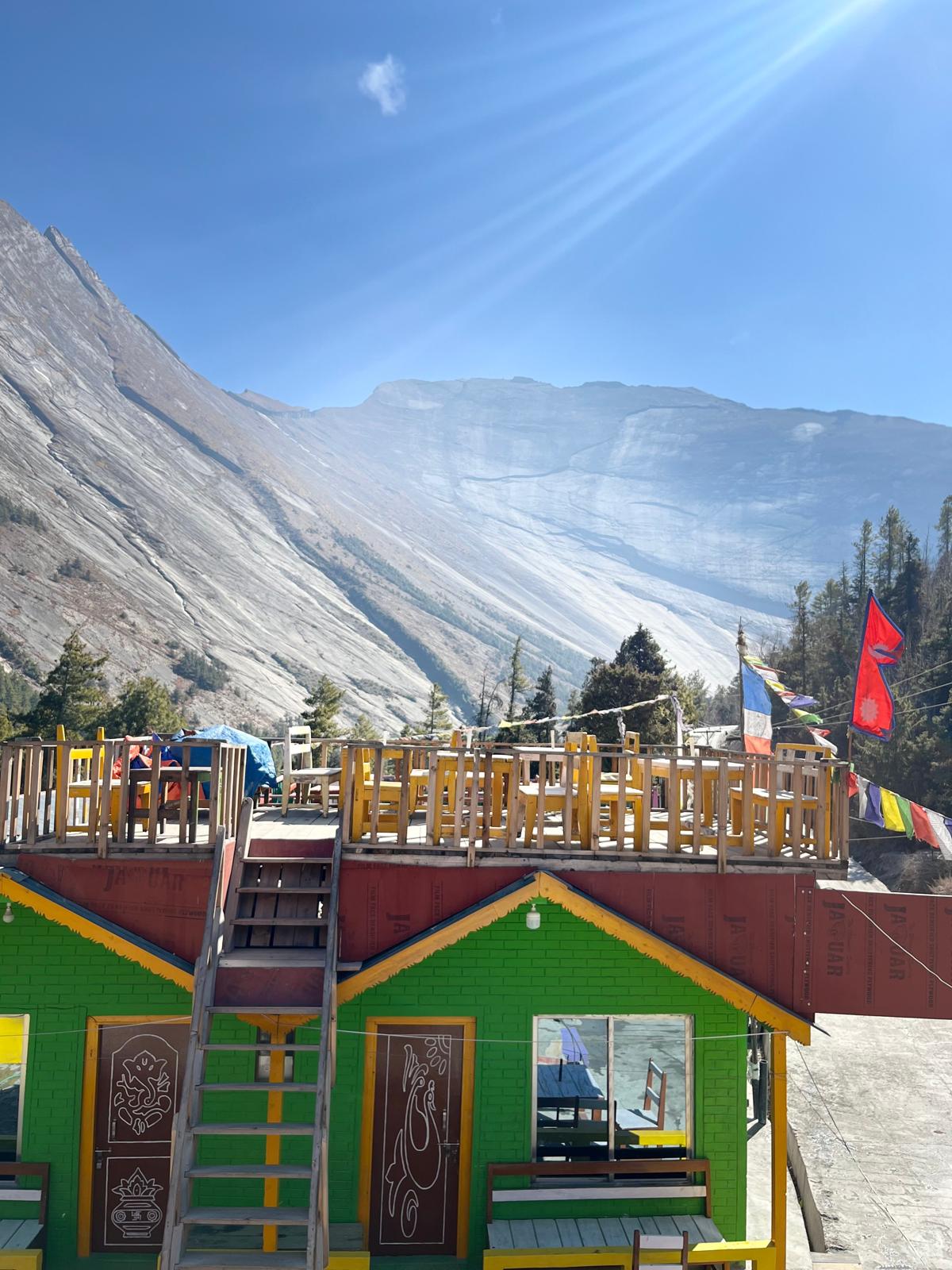
Nar Phu Valley 8-Days Trek – Secret Route in the Annapurna Region

  • Duration 8
  • Destination Nepal
  • Trip Grade Moderate to Challenging
  • Starts at Kathmandu
  • Ends at kathmandu
  • Meals Breakfast, Lunch, Dinner
  • Accommodation Tea Houses/Lodges
  • Max. Altitude 4,180m
  • Activity Trekking
  • Group Type Trekking
  • Group Size 1–12
  • Best Season April-May and Sepember- November
Highlights
  • Explore Nepal’s Hidden Himalayan Valley: Venture into the secluded Nar Phu Valley, a rarely visited region in the Annapurna Conservation Area that offers raw Himalayan beauty and authentic culture.
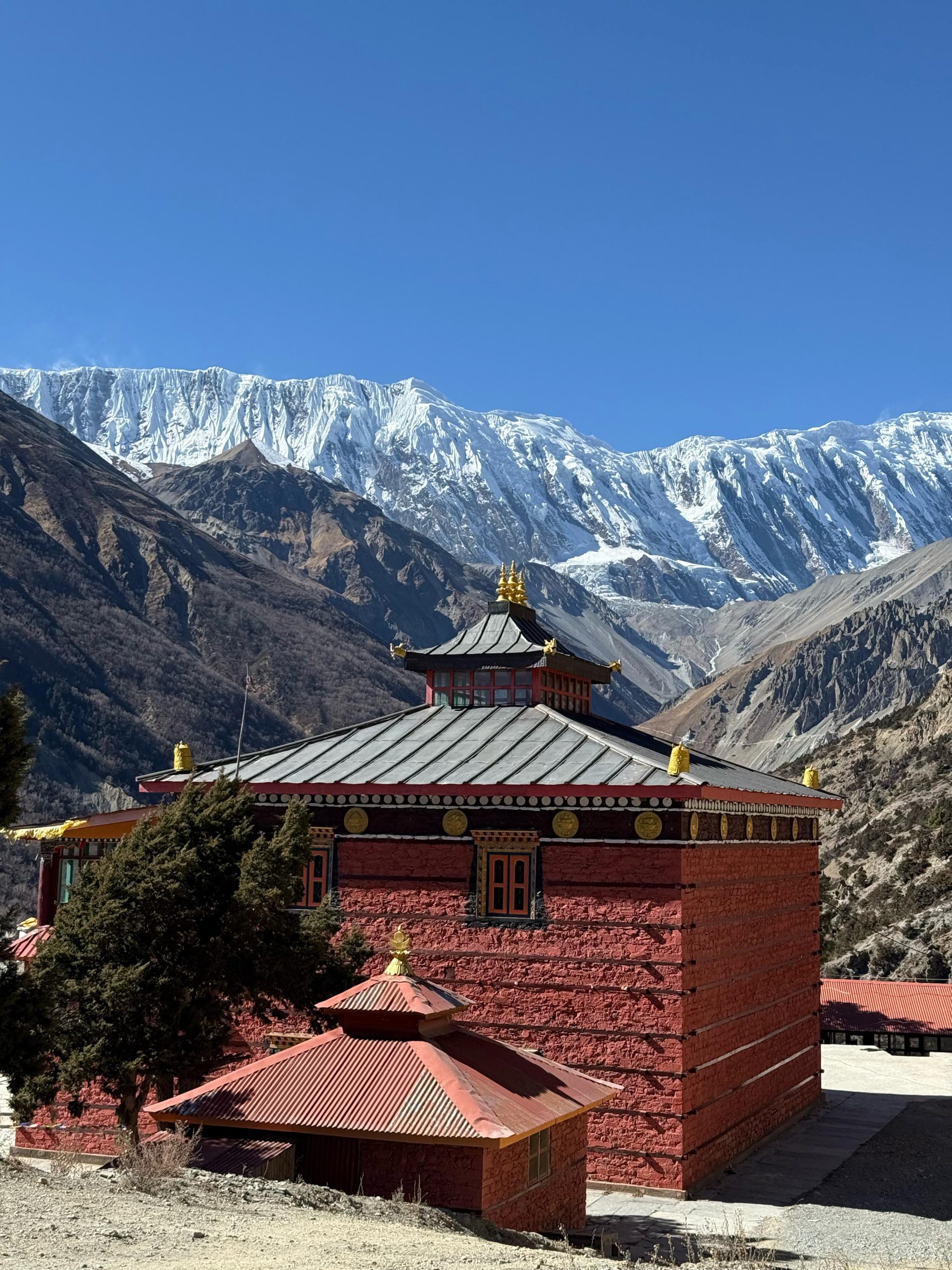
  • Visit Ancient Tibetan Monasteries: Discover sacred Buddhist sites such as Tashi Lhakhang Gompa, where Tibetan traditions are still deeply preserved.
  • Trek Off-the-Beaten-Path Trails: Experience quiet, less-travelled routes through dramatic gorges, barren cliffs, and high alpine pastures—ideal for solitude-seeking trekkers.
  • Experience Authentic Himalayan Culture: Immerse yourself in the traditional lifestyle of the Nar and Phu communities, shaped by Tibetan heritage, yak herding, and centuries-old customs.
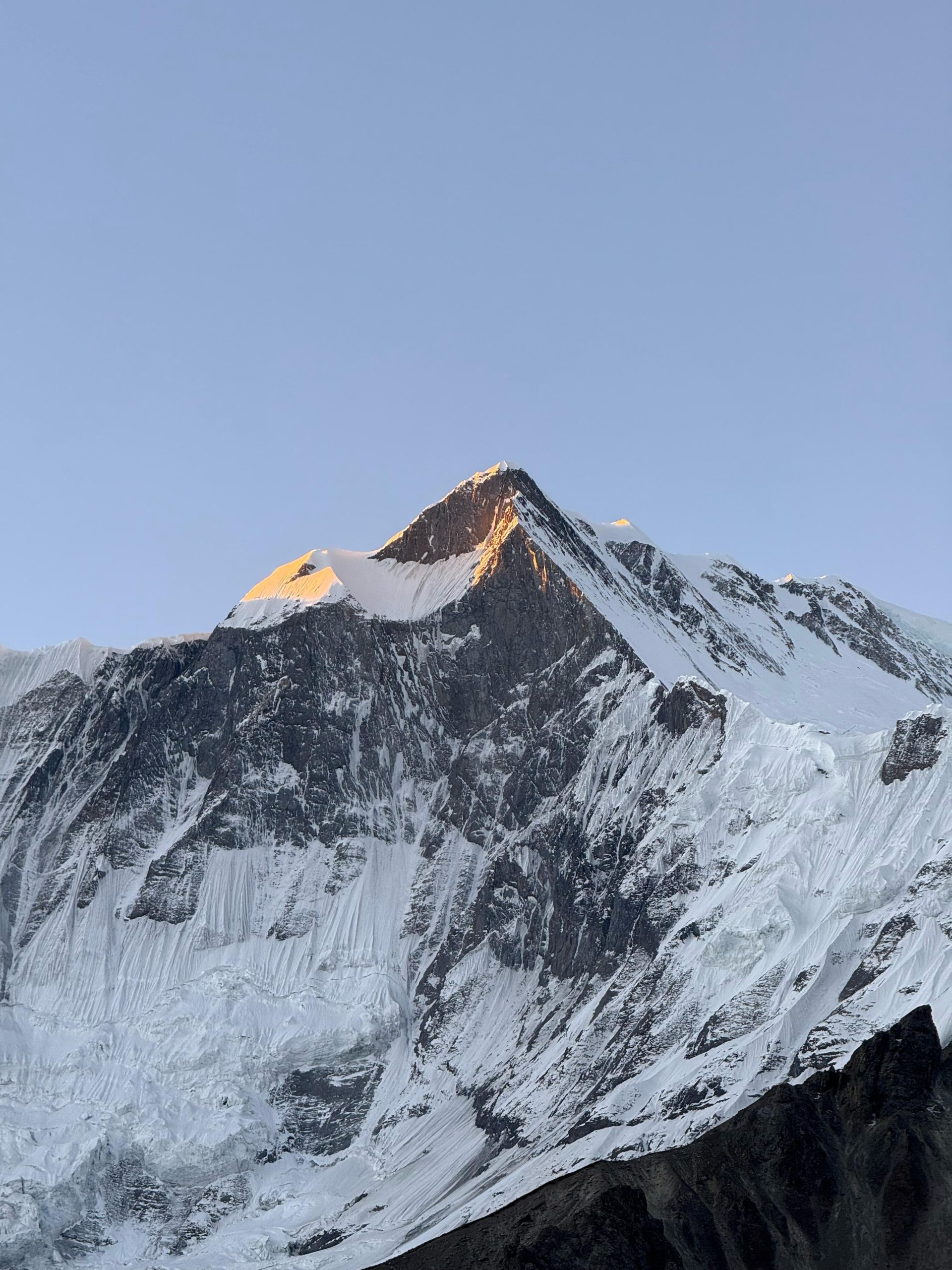
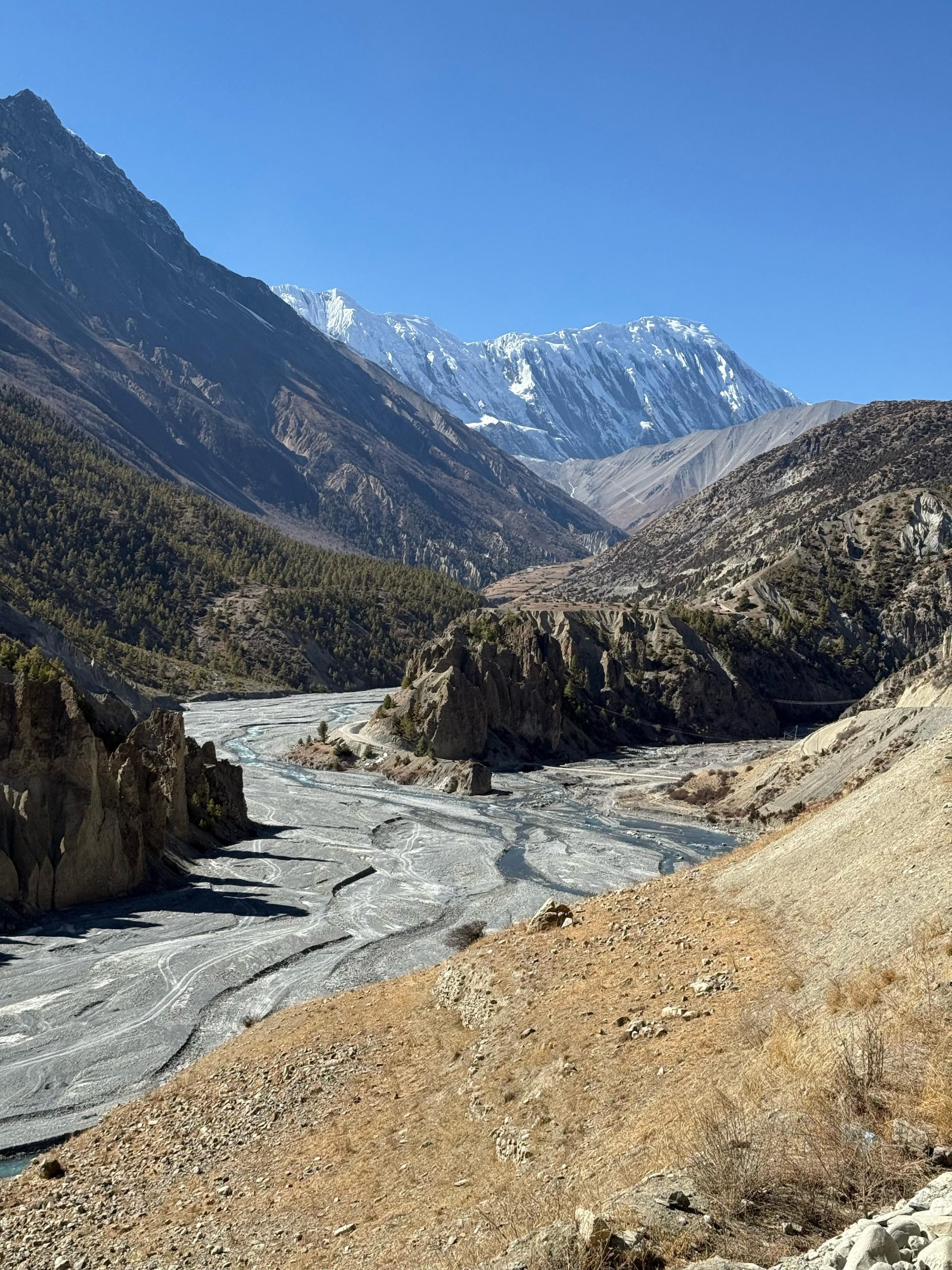
  • Stunning Views of Remote Himalayan Peaks: Enjoy breathtaking views of Himlung Himal, Kang Guru, Pisang Peak, and surrounding snow-capped giants throughout the trail.
  • Explore Fortified Villages: Walk through ancient stone villages like Phu Gaon and Nar, uniquely built for defence and cultural preservation.
  • Short Trek with Deep Cultural Immersion: This 8-day itinerary offers a compact yet enriching Himalayan experience for trekkers who want cultural depth in a limited timeframe.
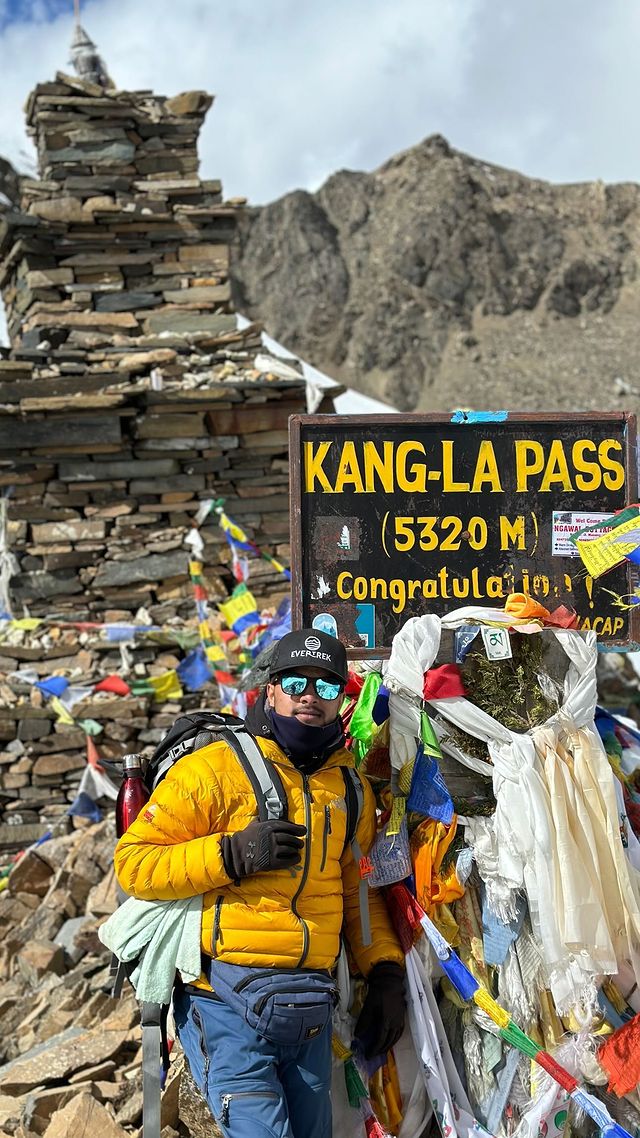
  • Optional Kang La Pass Challenge: If you’re fit and conditions are favourable, take on the high-altitude Kang La Pass (5,320m) for epic mountain vistas and a true trekking challenge.

Nar Phu Valley 8-Days Trek – Secret Route in the Annapurna Region Overview

Tour description:

Unveil the hidden beauty of the Himalayas with the Nar Phu Valley Trek is a less-travelled trail within Nepal’s Annapurna region. The 8-day trek offers a journey traversing through untouched Tibetan-style villages, with breathtaking mountain views, and a perfect blend of culture and adventure.

Your trip begins in Kathmandu, from where you travel by road to Koto to start the trek. Trekking is through picturesque terrain and quiet villages of the Himalayas, such as Meta, Phu Gaon, and Nar Village. You witness old monasteries, prayer flags fluttering in the wind, rock and stone houses, and open grazing fields with yaks.

The Nar Phu Valley trek positions you among snow-capped mountains, gorges, canyons, and highlands. This trek gives a cultural depth provided by the Tibetan and Tamang communities, with a religious twist during the trek. The trek brings you as far as Humde before you make the journey by road towards reaching Besisahar and ultimately Kathmandu.

It is an ideal choice of trek for people who want to enter a far-flung area of Nepal with the least amount of travel effort. It is a good choice of trek for trekkers not interested in taking the popular routes and enjoying untamed nature.

Why Choose Nar Phu Valley Trek?

1. Discovery of a Secret Himalayan Valley: Nar Phu Valley is one of the most secluded trekking areas of Nepal. You get a glimpse of the Himalayas from a perspective that few people get a chance to see.

2. Experience the Authentic Tibetan Culture: Hike through authentic Tibetan villages, centuries-old Buddhist monasteries, and among the locals dwelling in harmony with nature. The trek offers a genuine cultural experience that is hard to find along tourist trails.

3. Off-the-Beaten-Path Adventure: In contrast with the popular trails of Everest or Annapurna Base Camp, Nar Phu Valley offers calmness and isolation. Perfect for trekkers looking for a less populated and more serene trekking experience.

4. Excellent mountain views: Hike along secluded valleys and ridge trails with fine views of Mount Himlung, Kang Guru and the Tilicho Peak.

5. Brief but Satisfying Trek: The 8-day journey is a great option for short-duration trekkers. The journey condenses all of the best of the Nar Phu Valley trek into a short travel period. 6. Rich Landscapes and Natural Scenery Travelling along varied landscapes – alpine meadows, gorges, highlands, and rocky crests. A different sight and a different experience each day.

Day to Day Itinerary
Expand all

Meet our representative early in the morning at your hotel or preferred pick-up location. After meeting the representative and guide, take a short transfer to the bus station to catch your bus to Koto.

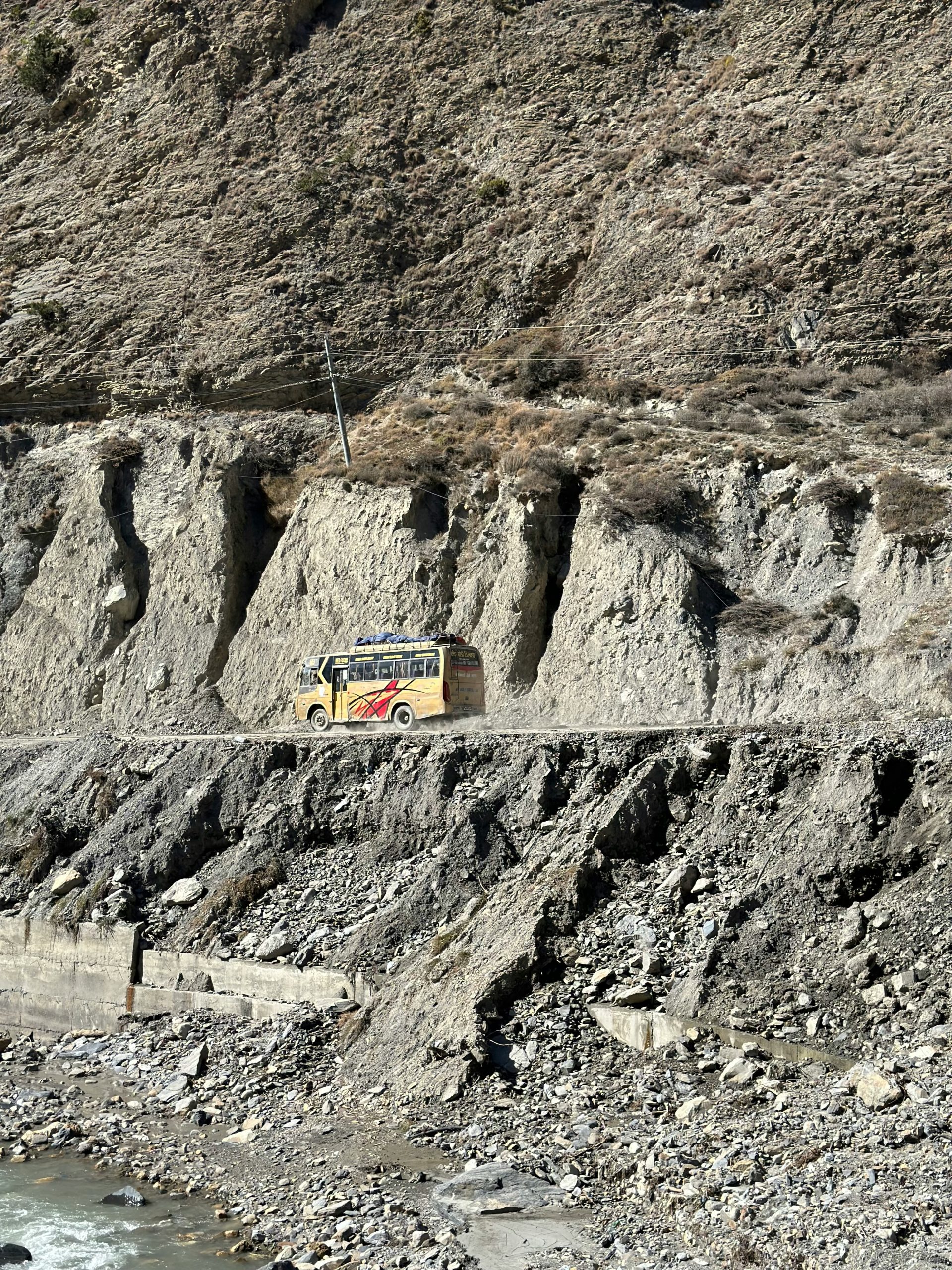
Your journey begins with a scenic drive from Kathmandu. You’ll pass through charming small towns, winding rivers, and stunning countryside on your way to Koto, a quiet village at the entrance of the Nar Phu Valley. This is where the real adventure starts, surrounded by majestic mountain landscapes.

Note: For a smoother experience, please contact us in advance to arrange your transportation and trip details. This will ensure a hassle-free start to your trek.

  • Tea Tea house/Lodge
  • Breafkast, Lunch, Dinner
  • 8 to 10 hours
  • 250 km

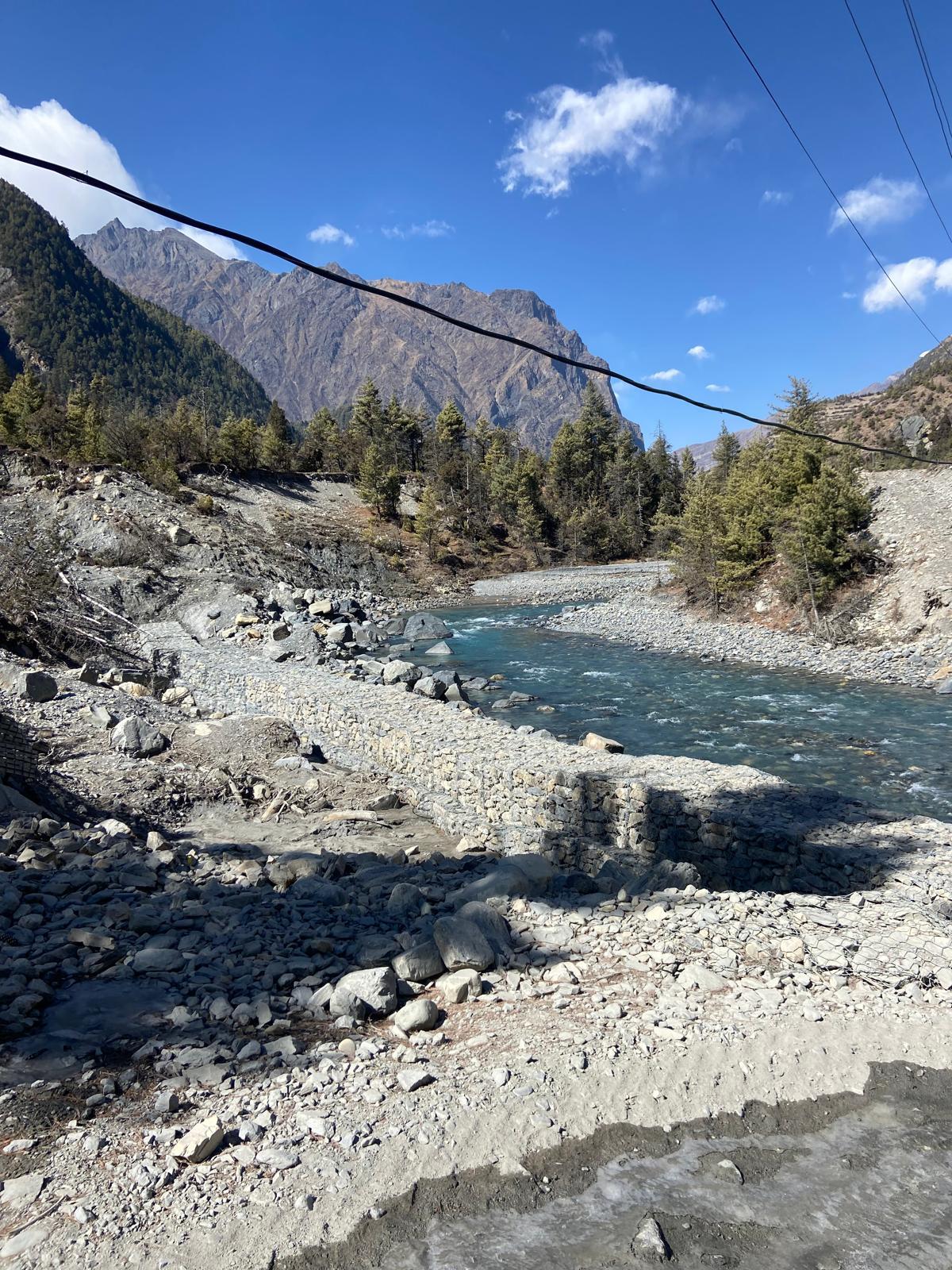
Start walking along the narrow trail beside the river. The path goes through forests, across bridges, and into a deep gorge. As you climb higher, the scenery opens up. After a steady uphill walk, you’ll reach Meta, a peaceful village with great views of snow-capped peaks.

  • Tea Tea house/Lodge
  • Breafkast, Lunch, Dinner
  • Approx. 16 km
  • 6 to 7 hours

Today is a long but rewarding day. You’ll pass several ancient ruins, rocky hillsides, and quiet landscapes. The trail feels like a walk back in time. After a final push, you’ll reach Phu Gaon—a traditional Tibetan-style village surrounded by mountains. Visit local monasteries and watch daily village life unfold.

  • Tea Tea house/Lodge
  • Breafkast, Lunch, Dinner
  • 6 to 7 hours
  • Approx. 17 km

Take it easy today to help your body adjust to the altitude. Spend the day exploring the narrow stone alleys of Phu, visit Tashi Lhakhang Monastery, and enjoy views of Himlung Himal. You can also chat with locals and learn about their Tibetan-influenced culture and lifestyle.

  • Tea Tea house/Lodge
  • Breafkast, Lunch, Dinner
  • NA
  • NA

Leave Phu behind and walk down to the valley floor before heading uphill toward Nar Village. Along the way, you’ll cross long suspension bridges and enjoy wide views of the surrounding mountains. Nar is a vibrant village known for its colorful houses, prayer flags, and warm hospitality.

  • Tea Tea house/Lodge
  • Breafkast, Lunch, Dinner
  • Approx. 15 km
  • 6 to 7 hours

This is the toughest but most scenic day of the trek. Begin early and climb toward Kang La Pass, which offers amazing views of Annapurna II, Tilicho Peak, and more. After crossing the pass, descend to Ngawal village. This stretch can be skipped if the weather is bad or trekkers prefer an easier exit.

(Note: Some itineraries skip the Kang La Pass and instead descend directly to Humde for pickup.)

  • Tea Tea house/Lodge
  • Breafkast, Lunch, Dinner
  • Approx. 18 km
  • 7 to 8 hours

Take a short morning walk to Humde village. From here, board a jeep and drive down to Besisahar, a small town where many treks in the Annapurna region begin or end. Relax and enjoy your final evening in the hills.

  • Tea Tea house/Lodge
  • Breafkast, Lunch, Dinner
  • Trekking Time: 2 to 3 hours, Drive Time: 4 to 5 hours
  • Approx. 7 km trek + 80 km drive

Drive back to Kathmandu along the same highway. The trip ends with great memories, stunning mountain photos, and stories of a lesser-known Himalayan journey few have ever experienced. Reach Kathmandu, later in the Evening authentic Nepali dinner with traditional dances and folk songs.

  • Tea NA
  • Breafkast, Lunch, Dinner
  • 6 to 7 hours
  • Approx. 175 km
Altitude Chart

Our team guides, porters and accompanying staff are locals with a broad knowledge about each and every location that we travel through.

Cost Includes
  • Three meals a day (Breakfast, Lunch, and Dinner) during the trek in the mountains.
  • Private vehicle Pick-up and drop-off in Kathmandu.
  • Experienced, government-licensed, English-speaking trekking guide from Holyland Adventure Tours and Travels.
  • Strong and helpful Sherpa porters with proper safety and walking equipment. One porter for every two trekkers, including their salary, food, accommodation, and insurance.
  • Salary, food, accommodation, transport, and insurance for the trekking guide.
  • All necessary permits, including the Annapurna Conservation Area Permit and TIMS Card (Trekking Information Management System).
  • Used sleeping bag, a down jacket, a duffel bag, and trekking poles (if you don’t have your own, to be returned after the trip is completed).
  • Trekking lodges (Tea Houses) throughout the trek.
  • Nar Phu Valley Special Permit.
  • Transportation from Besisahar to Koto by shared jeep.
  • Assistant guide for groups of 8 or more trekkers.
  • Transportation from Kathmandu to Besisahar, Koto, and back to Kathmandu by local bus.
  • Ngawal/Humde to Besisahar transportation by shared jeep.
  • Appreciation certificate upon completing the trek successfully.
  • Holyland Adventure Tours and Travels’ complimentary T-shirt.
  • Oximeter to measure your oxygen and pulse levels during the trek, an important tool to monitor potential altitude sickness.
  • Comprehensive first aid kit (carried by the guide throughout the trek).
  • Assistance with emergency rescue operations if needed (funded by your personal travel insurance).
  • All government taxes, local taxes, and official expenses.
Cost Excludes
  • Nepal entry visa fee (easy to obtain on arrival at Tribhuvan International Airport – Kathmandu). The visa fee is $30 USD for 15 days, $50 USD for 30 days, and $125 USD for 90 days.
  • Extra accommodation and meals before and after the trek in Kathmandu and Pokhara.
  • International airfare to and from Nepal.
  • Hotel accommodation in Kathmandu.
  • Porter ( 1 porter for 2 guests) per day: USD 20
  • Personal expenses such as shopping, hot showers, hot/cold drinks, tea, coffee, alcohol, snacks, water, Wi-Fi, battery recharge, heater charges, and other personal items.
  • Travel insurance (must cover emergency high-altitude rescue and evacuation from up to 6,000m).
  • Personal clothing or gear.
  • Lunch and dinner in Kathmandu and Pokhara.
  • Additional costs for itinerary modifications or delays caused by weather, illness, government policy changes, strikes, or physical condition.
  • Tips for guides and staff (gratuity is recommended by local culture).
  • Any other expenses not mentioned in the “Cost Includes” section.
Departure Dates
  • We have daily departures for this trip from March to May and from mid-September to mid-December. You can type in the number of passengers to book a reservation and select a date that is convenient for you. Due to group size, we never cancel a trip once you’ve made a reservation. If you would rather join the group, we will add more travelers on the selected date. You can let us know once you make a reservation or earlier.
Useful Info

The Nar Phu Valley Trek is a hidden gem in the Annapurna region of Nepal, offering an off-the-beaten-path adventure that combines rugged mountain trails, remote villages, and Tibetan culture. Known for its stunning landscapes and pristine beauty, this trek is perfect for those looking for a quieter, more intimate Himalayan experience. Below, we provide important useful information to help you prepare for this unforgettable journey.

1. Trekking Difficulty and Fitness Requirements

The Nar Phu Valley Trek is considered moderate to challenging in terms of difficulty. While it doesn’t require technical climbing skills, trekkers should be prepared for long days of walking and steep ascents and descents. A good level of fitness and stamina is recommended, particularly to cross high-altitude passes and to ensure proper acclimatization.

2. Best Time to Trek

The ideal seasons for the Nar Phu Valley Trek are:

  • Spring (March to May): Clear skies, moderate temperatures, and blooming rhododendron forests.

  • Autumn (September to November): Stunning views of snow-capped peaks and perfect trekking conditions.

Avoid trekking in the monsoon season (June to August) as trails can be slippery, and the chances of landslides increase.

3. Acclimatization and Altitude Sickness

With an altitude that reaches over 5,300 meters (at Kang La Pass), acclimatization is crucial. To minimize the risks of altitude sickness, it’s essential to:

  • Drink plenty of water and stay hydrated.

  • Take regular rest breaks.

  • Avoid rushing and allow your body to adjust gradually to the altitude.

We’ve built in an acclimatization day in Phu Gaon to ensure your body adjusts before continuing further.

4. Permits Required for Nar Phu Valley Trek

  • Annapurna Conservation Area Permit (ACAP): This is required for all trekkers in the Annapurna region.

  • TIMS (Trekking Information Management System) Card: Necessary for all trekkers in Nepal.

  • Nar Phu Valley Special Permit: This is a unique permit required for the Nar Phu Valley area, due to its protected status.

These permits are included in the cost of the trek, and our team will handle all the paperwork for you.

5. Transportation and Access to Nar Phu Valley

  • The trek starts with a scenic drive from Kathmandu to Besisahar, followed by a shared jeep ride to Koto, the gateway to the Nar Phu Valley.

  • For the return journey, transportation from Ngawal/Humde to Besisahar and Besisahar to Kathmandu will be provided via shared jeeps and local buses.

Note: Make sure to contact us in advance to arrange smooth and hassle-free transport services.

6. Tea Houses and Accommodation

Along the trek, you’ll stay in tea houses or local guesthouses, which provide basic but comfortable accommodations. These are family-run, offering a warm and welcoming environment. You can expect simple rooms with beds, blankets, and shared bathrooms. It’s a great opportunity to experience the local hospitality and culture.

7. Packing List for Nar Phu Valley Trek

Pack wisely for your trek to ensure you’re prepared for both high-altitude conditions and long days of walking:

  • Clothing: Layered clothing (thermal base layers, fleece, waterproof jacket), hat, gloves, and trekking pants.

  • Footwear: Sturdy trekking boots, gaiters, and warm socks.

  • Essential Gear: Sleeping bag (can be rented), down jacket, trekking poles (optional), and headlamp.

  • Personal Items: Sunscreen, toiletries, water purification tablets, camera, and personal medications.

  • First Aid Kit: It’s always useful to carry basic first aid supplies such as bandages, antiseptics, and pain relievers.

8. Cultural Experience Along the Way

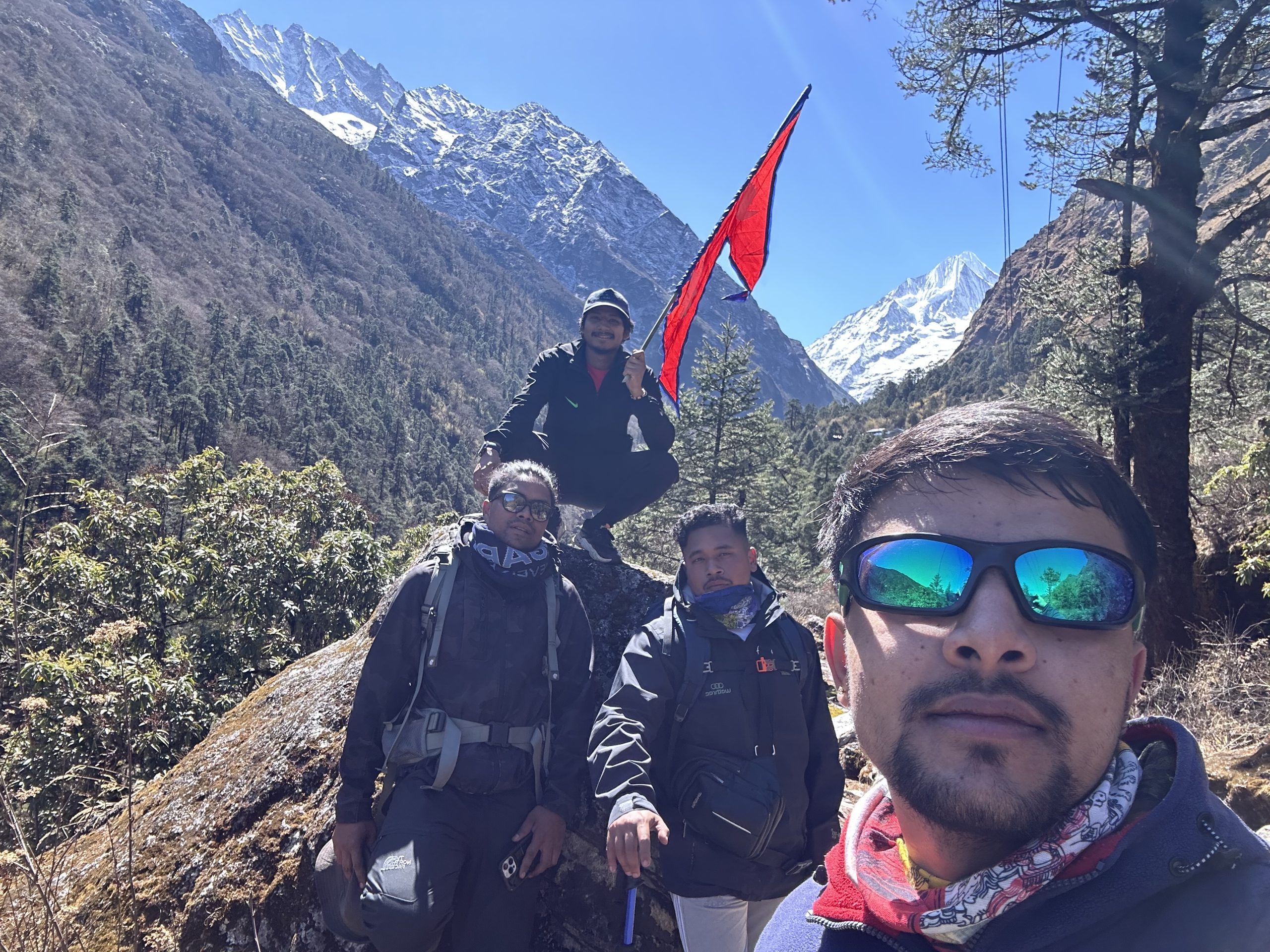
The Nar Phu Valley offers a unique cultural experience. As you trek through villages like Phu Gaon and Nar, you’ll encounter Tibetan-influenced culture, including monasteries, stupas, and prayer flags. The local people, primarily of Tamang and Tibetan descent, are incredibly welcoming and have a rich cultural heritage that can be experienced throughout the journey.

9. What Sets Nar Phu Valley Apart from Other Treks?

The Nar Phu Valley Trek is often less crowded compared to the popular Annapurna Circuit or Everest Base Camp treks, making it an ideal choice for those seeking solitude and serenity. The trek takes you into remote Himalayan villages, offering a more authentic, off-the-beaten-path experience that few trekkers get to experience. The combination of stunning mountain views, rich culture, and challenging terrain makes it a truly unique adventure.

10. Cost and Inclusions

Our Nar Phu Valley Trek packages include:

  • Experienced English-speaking guide and helpful Sherpa porters.

  • All necessary permits and paperwork.

  • Three meals per day during the trek, including lunch, dinner, and breakfast.

  • Transportation to and from Kathmandu, Besisahar, Koto, and Ngawal/Humde.

  • Sleeping bags, down jackets, and trekking poles (if needed).

The trek also includes accommodation in tea houses along the way and a complimentary T-shirt from Holyland Adventure Tours and Travels.


Book Your Nar Phu Valley Trek with Holyland Adventure Tours and Travels

Ready for the adventure of a lifetime? The Nar Phu Valley Trek offers an unforgettable journey through one of Nepal’s most hidden and pristine valleys. Whether you’re an experienced trekker or an avid adventurer looking for a unique trek, this is your chance to experience the majestic beauty and tranquility of the Himalayas.

Nar Phu Valley Trek Equipment Checklist

Clothing:

  1. Trekking Pants (preferably lightweight, quick-drying)
  2. Thermal Base Layers (top and bottom for warmth)
  3. Trekking Shirts (moisture-wicking)
  4. Waterproof and Windproof Jacket (for protection against wind and rain)
  5. Down Jacket (for warmth in higher altitudes)
  6. Fleece Jacket (for extra insulation)
  7. Trekking Socks (3-4 pairs, wool or synthetic)
  8. Thermal Socks (for colder evenings)
  9. Waterproof Pants (for protection against rain and snow)
  10. Gloves (warm and waterproof)
  11. Hat/Cap (to protect against sun and cold)
  12. Balaclava or Neck Gaiter (for wind and cold protection)
  13. Sun Hat/Cap (for sun protection)

Footwear:

  1. Trekking Boots (comfortable, waterproof, broken in)
  2. Camp Shoes (lightweight shoes or sandals for relaxing in tea houses)
  3. Gaiters (to protect from snow, mud, and dirt)

Sleeping and Camping Gear:

  1. Sleeping Bag (4-season, rated for temperatures as low as -10°C or 14°F)
  2. Sleeping Bag Liner (for extra warmth and hygiene)
  3. Headlamp/Flashlight (with extra batteries)
  4. Travel Pillow (optional, for extra comfort)
  5. Earplugs (optional, for better sleep in shared accommodation)

Trekking Gear:

  1. Trekking Poles (with rubber tips, especially for challenging terrain)
  2. Daypack (20-30 liters for essentials during the day)
  3. Duffel Bag (for carrying your gear, to be carried by the porter)
  4. Water Bottles (2-3 liters capacity, with a water filter or purification tablets)
  5. Water Purification Tablets or Filter (to ensure safe drinking water)
  6. Hydration Bladder (optional, for easy access to water)
  7. Sunglasses (UV protection for high-altitude sun)
  8. Trekking Map/Guidebook (optional, for personal reference)
  9. Camera (with extra memory cards and batteries)

Health and Safety:

  1. First Aid Kit (band-aids, antiseptic cream, painkillers, etc.)
  2. Personal Medications (bring enough for the entire trek, including altitude sickness meds like Diamox, if needed)
  3. Oximeter (for monitoring oxygen levels, optional but recommended)
  4. Sunscreen (high SPF, protect your skin from strong sun)
  5. Lip Balm with SPF (to prevent chapped lips)
  6. Insect Repellent (for protection against insects)
  7. Hand Sanitizer (for hygiene)
  8. Personal Toiletries (toothbrush, toothpaste, toilet paper, wet wipes)

Documents and Money:

  1. Passport (with copies stored separately)
  2. Travel Insurance (ensure it covers trekking and high-altitude evacuation)
  3. Cash in Nepalese Rupees (for small purchases along the trail)
  4. Travel Permits (ACAP, TIMS, Nar Phu Valley Special Permit – our team will help you with these)

Optional Items:

  1. Notebook/Journal (for keeping track of your trek and experiences)
  2. Portable Charger/Power Bank (to charge electronics on the go)
  3. Snacks/Trail Mix (for extra energy during the trek)
  4. Multi-tool or Swiss Army Knife (useful for small tasks)

Note:

Holyland Adventure Tours and Travels provides sleeping bags, down jackets, trekking poles, and duffel bags for your use during the trek (if needed). These items must be returned after the trip.

Contact us today to reserve your spot on this incredible trek!

FAQs
  • While the Nar Phu Valley Trek is moderate to challenging, it’s not considered extreme. It requires a good level of fitness due to the long trekking days, high altitudes, and the need for acclimatization. However, if you are a beginner with good physical conditioning and willing to tackle longer days of walking, this trek can be a rewarding adventure. Trekking at altitude and across rugged terrain can be tough, but it’s achievable with proper preparation.

  • The Kang La Pass is one of the highest points of the trek, sitting at around 5,320 meters (17,450 feet). It is a challenging part of the trek that requires good acclimatization and physical endurance. The pass involves steep ascents, narrow paths, and snow or ice conditions in some seasons. However, the view from the top is truly breathtaking, with panoramic views of the Annapurna, Manaslu, and Dhaulagiri ranges. With proper preparation and a cautious approach, crossing Kang La can be a rewarding and unforgettable part of the trek.

  • Yes, the Nar Phu Valley Trek requires a guide and special permits to access the area. This trek takes you through a remote and protected area of Nepal, and the trek is regulated by the government. A licensed guide is not only a requirement for permits but also adds great value to your trek by providing local knowledge, ensuring safety, and navigating the trails. Our experienced guides from Holyland Adventure Tours and Travels are knowledgeable, friendly, and always prepared to help with any challenges that may arise.

  • No, the Nar Phu Valley is a restricted area, and trekkers need a special permit in addition to the regular ACAP (Annapurna Conservation Area Permit) and TIMS card. The Nar Phu Valley Special Permit must be arranged in advance through a licensed trekking agency, like Holyland Adventure Tours and Travels. Trekking without the required permits could result in being turned back by authorities, so it’s important to ensure everything is in order before you embark on this adventure.

  • The Nar Phu Valley Trek reaches a maximum altitude of around 5,320 meters (17,450 feet) at Kang La Pass. As you ascend, it’s important to give your body time to acclimatize to the thinning air. Altitude sickness is a potential risk, but by following the recommended altitude guidelines (like taking rest days and ascending slowly), you can minimize this risk. It’s always important to listen to your body, stay hydrated, and consult with your guide if you feel unwell.

  • During the Nar Phu Valley Trek, meals consist of simple, hearty, and nutritious dishes. Tea houses along the route serve Dal Bhat (lentil soup with rice), moments, noodles, vegetarian curries, and Tibetan bread. As you climb higher, food options may become more limited, but expect warm meals designed to provide you with energy for the day ahead. Holyland Adventure Tours and Travels ensures that you’ll have wholesome meals throughout the trek, including three meals a day (breakfast, lunch, and dinner).

  • Wi-Fi access is limited on the Nar Phu Valley Trek. While some of the larger tea houses at lower altitudes (such as those in Koto and Phu Gaon) may offer Wi-Fi services, the signal can be weak and unreliable. As you progress into the more remote sections of the trek, access to Wi-Fi becomes increasingly scarce. It’s a great opportunity to disconnect and immerse yourself fully in the trekking experience and nature.

  • The Nar Phu Valley Trek offers several spectacular highlights:

    • Nar Phu Valley’s remote villages with Tibetan culture and monasteries.
    • Kang La Pass, offering breathtaking views of the Annapurna, Dhaulagiri, and Manaslu ranges.
    • Beautiful forests, rivers, and gorges along the trail.
    • Phu Gaon, a picturesque village known for its stunning landscapes and unique Tibetan influence.
    • The hidden beauty of Nar Valley, which remains a tranquil spot away from the crowded trekking routes.

  • Yes, cash is necessary for your trek. While there are a few places to withdraw cash in Kathmandu and Pokhara, there are no ATM machines available along the trek route. You’ll need to bring Nepalese Rupees (NPR) to cover meals, accommodation, and any extra purchases along the way. It’s advisable to carry small bills for convenience, as larger notes may not be accepted in the more remote areas.

  • Yes! The Nar Phu Valley Trek is an excellent starting point to extend your adventure in the Annapurna region. You can continue to trek to the Annapurna Circuit, or even combine it with the Tilicho Lake Trek or Annapurna Base Camp trek. Holyland Adventure Tours and Travels can customize your itinerary to suit your needs and provide expert guidance if you wish to extend your adventure.

  • To reach the Nar Phu Valley, you will first need to travel from Kathmandu to Besisahar, either by local bus or private vehicle. From Besisahar, you will take a jeep ride to Koto, the starting point of the trek. The total journey from Kathmandu to Koto takes around 7-9 hours depending on road conditions. The trek begins at Koto, and the road journey is scenic, passing through small towns, rivers, and rural landscapes of Nepal.

  • The Nar Phu Valley is classified as a restricted area by the Nepal Government due to its remote location and cultural significance. The valley lies in the Annapurna Conservation Area and is home to unique Tibetan-influenced villages, ancient monasteries, and fragile ecosystems. To preserve the environment and local cultures, the government restricts access to the valley to only those who obtain a special trekking permit. This policy helps control the number of trekkers and ensures responsible tourism in the area.

  • No, you cannot skip the special permit for trekking in the Nar Phu Valley. This region is strictly regulated, and trekkers must obtain a Nar Phu Valley Special Permit, along with the usual Annapurna Conservation Area Permit (ACAP) and TIMS Card (Trekking Information Management System). Attempting to trek without these permits can result in being turned back by authorities, so it’s essential to arrange them through a licensed trekking agency like Holyland Adventure Tours and Travels.

  • While you can travel to Pokhara from Kathmandu first, the Nar Phu Valley Trek itself typically begins at Koto, which is accessible by road from Besisahar. You can get to Besisahar from Pokhara by local bus or private jeep, and from there, continue to Koto. However, starting the trek directly from Pokhara is not feasible because Koto is the official starting point for the trek.

  • While it is technically possible to trek to Nar Phu Valley in the winter months (December to February), it is not highly recommended due to harsh weather conditions, including snow, extreme cold, and icy trails. Temperatures can drop significantly, especially at higher elevations, which can make the trek more challenging and uncomfortable. If you do choose to trek during this time, be prepared for cold temperatures and potentially closed trails due to snow.

You May Also LikeSimilar Itineraries
Nar Phu Valley 8-Days Trek – Secret Route in the Annapurna Region
Difficulty: Moderate to Challenging 8 Days
Max. Height: 4,180m

US $650

Hidden Nar Phu Valley Adventure Trek with Throng La pass  – 14 Days
Hidden Nar Phu Valley Adventure Trek with Throng La pass – 14 Days
Difficulty: Moderate 14 Days
Max. Height: 5,416

US $1175

Tilicho Lake Trekking in Nepal – 5 Days Adventure via Manang
Difficulty: Easy 5 Days
Max. Height: 4,919 m

US $325

2-Day Poon Hill Trek from Pokhara: Sunrise View, Rhododendron Forests & Majestic Mountains Featured
2-Day Poon Hill Trek from Pokhara: Sunrise View, Rhododendron Forests & Majestic Mountains
Difficulty: Easy 2 Days
Max. Height: 3,210m (Poon Hill)

US $215

6-Day Annapurna Base Camp Trek from Pokhara Featured
6-Day Annapurna Base Camp Trek from Pokhara
Difficulty: Moderate 6 Days
Max. Height: 4,130 m

US $475

13-Day Annapurna Base Camp Adventure – Nature, Culture & Peaks Featured
13-Day Annapurna Base Camp Adventure – Nature, Culture & Peaks
Difficulty: Moderate 13 Days
Max. Height: 4,130 m

US $925