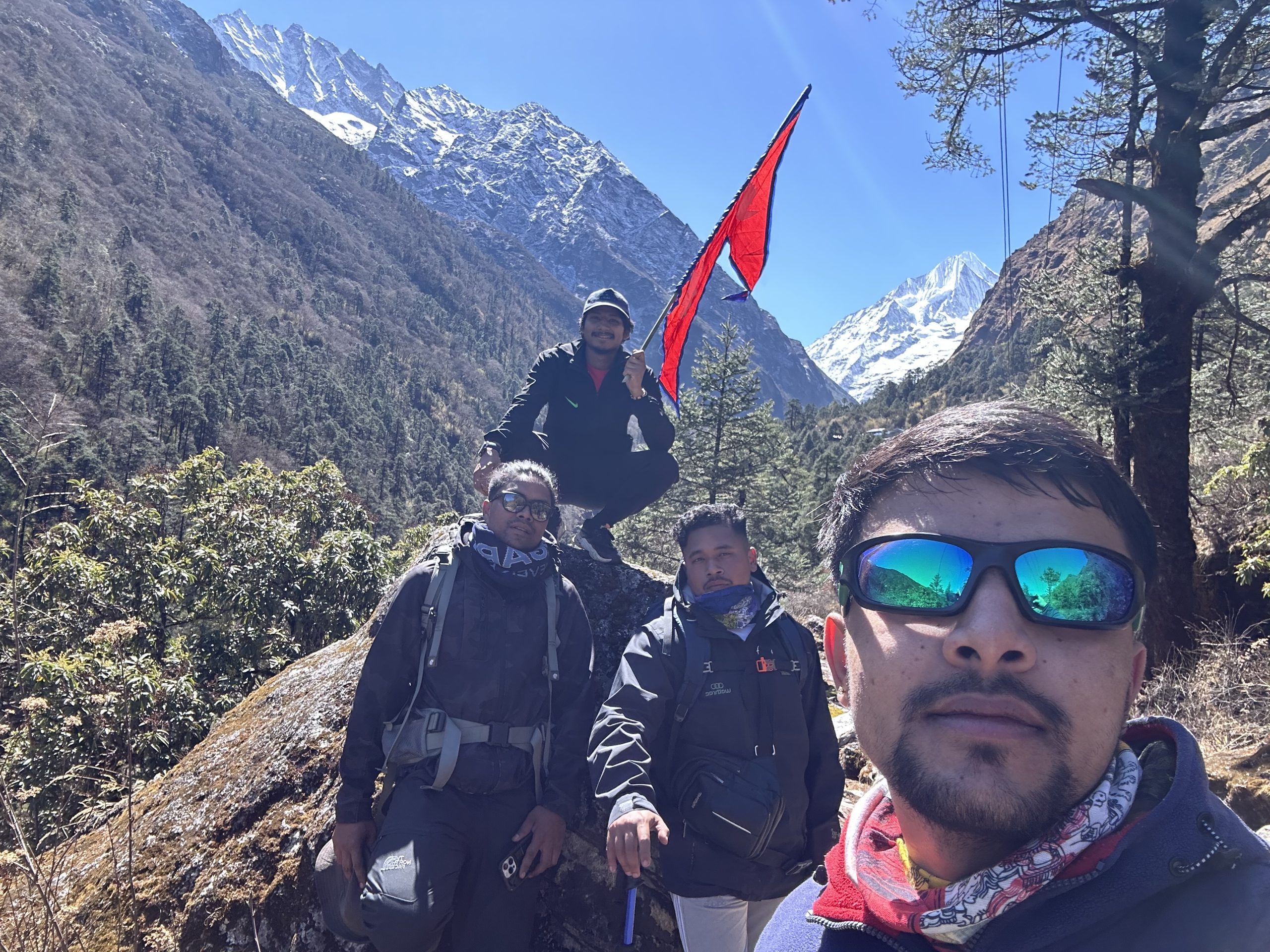
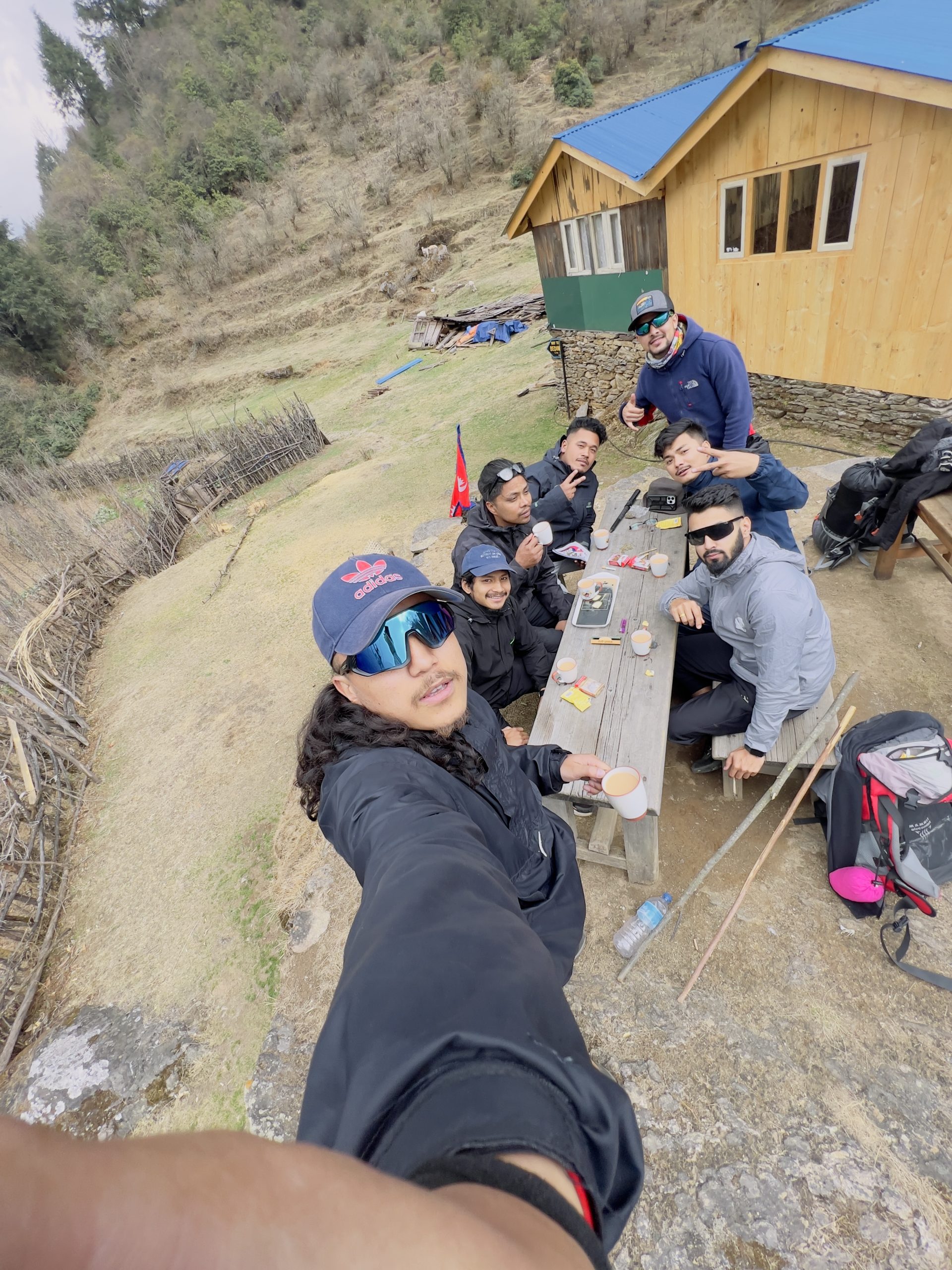
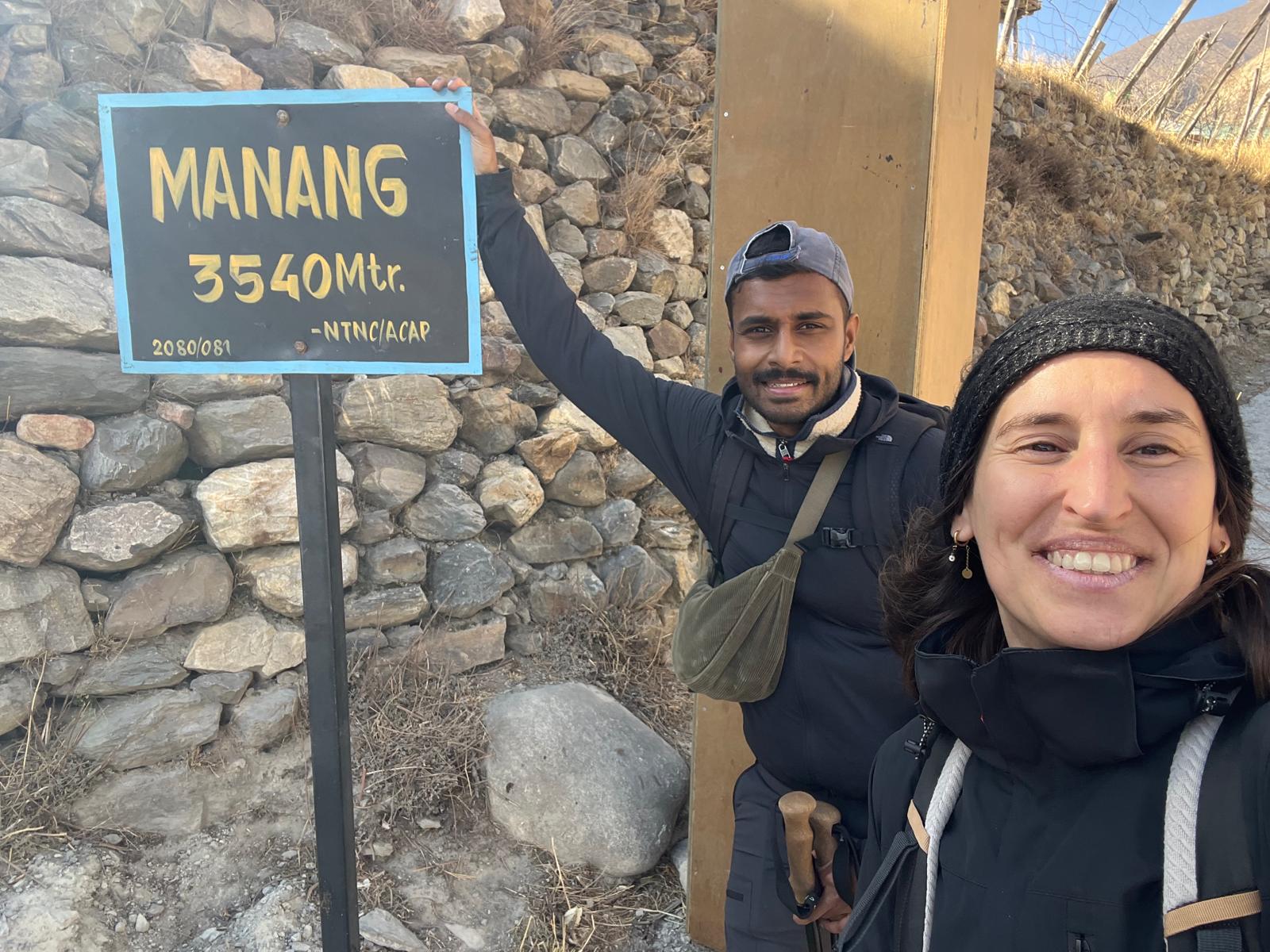
Hidden Nar Phu Valley Adventure Trek with Throng La pass – 14 Days

  • Duration 14
  • Destination Nepal
  • Trip Grade Moderate
  • Starts at Kathmandu
  • Ends at kathmandu
  • Meals Breakfast, Lunch, and Dinner
  • Accommodation Tea Houses/Lodges/Hotels
  • Max. Altitude 5,416
  • Activity Trekking
  • Group Type Trekking
  • Group Size 1–12
  • Best Season April-May and Sepember- November
Highlights
  • Restricted-Area Permit Trek: Exclusive access to Nar Phu Valley, one of Nepal’s most secluded Annapurna region routes.
  • Authentic Tibetan Villages: Explore traditional stone homes in Phu and Nar, meet yak herders, and taste homemade butter tea.
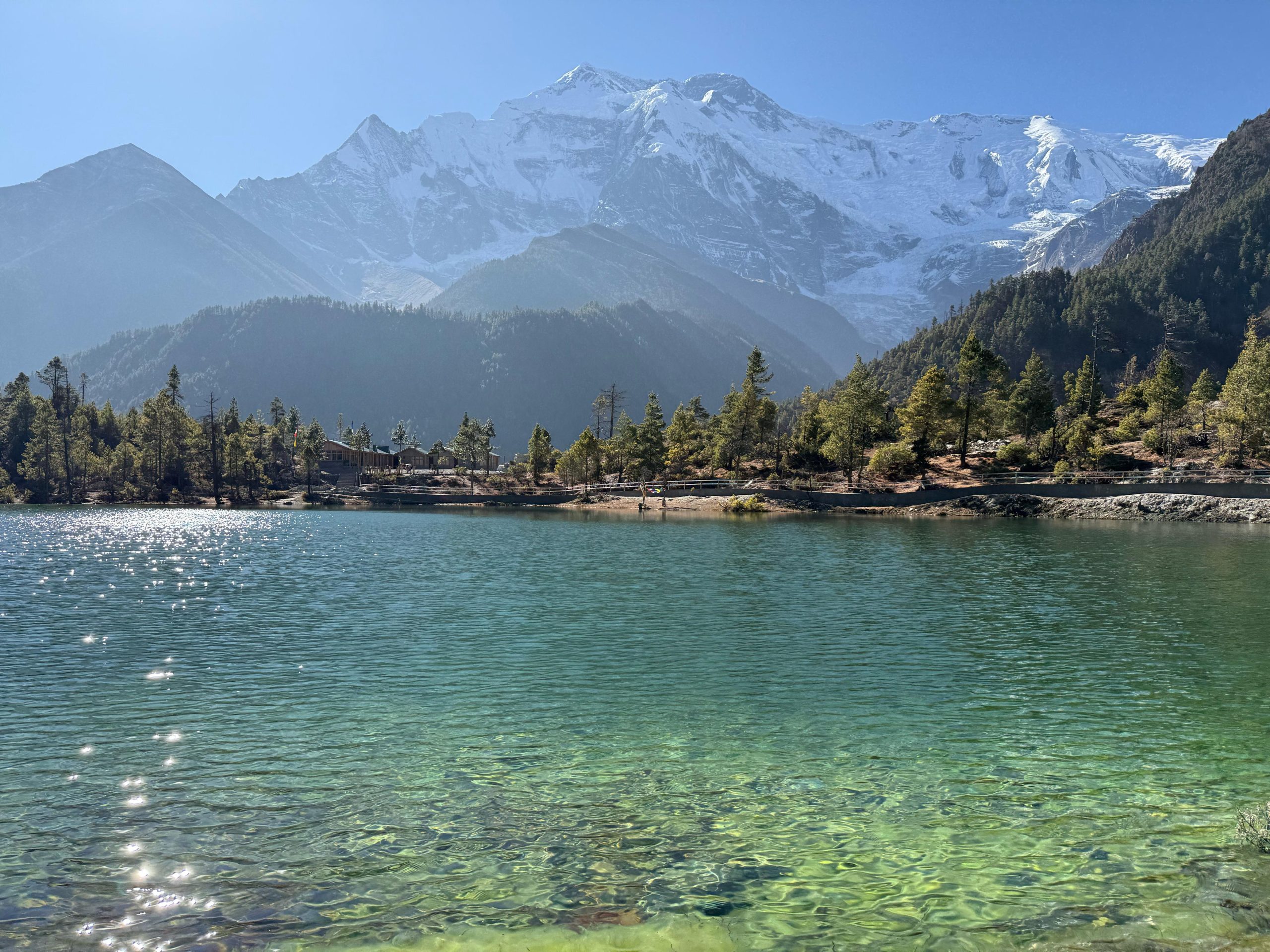
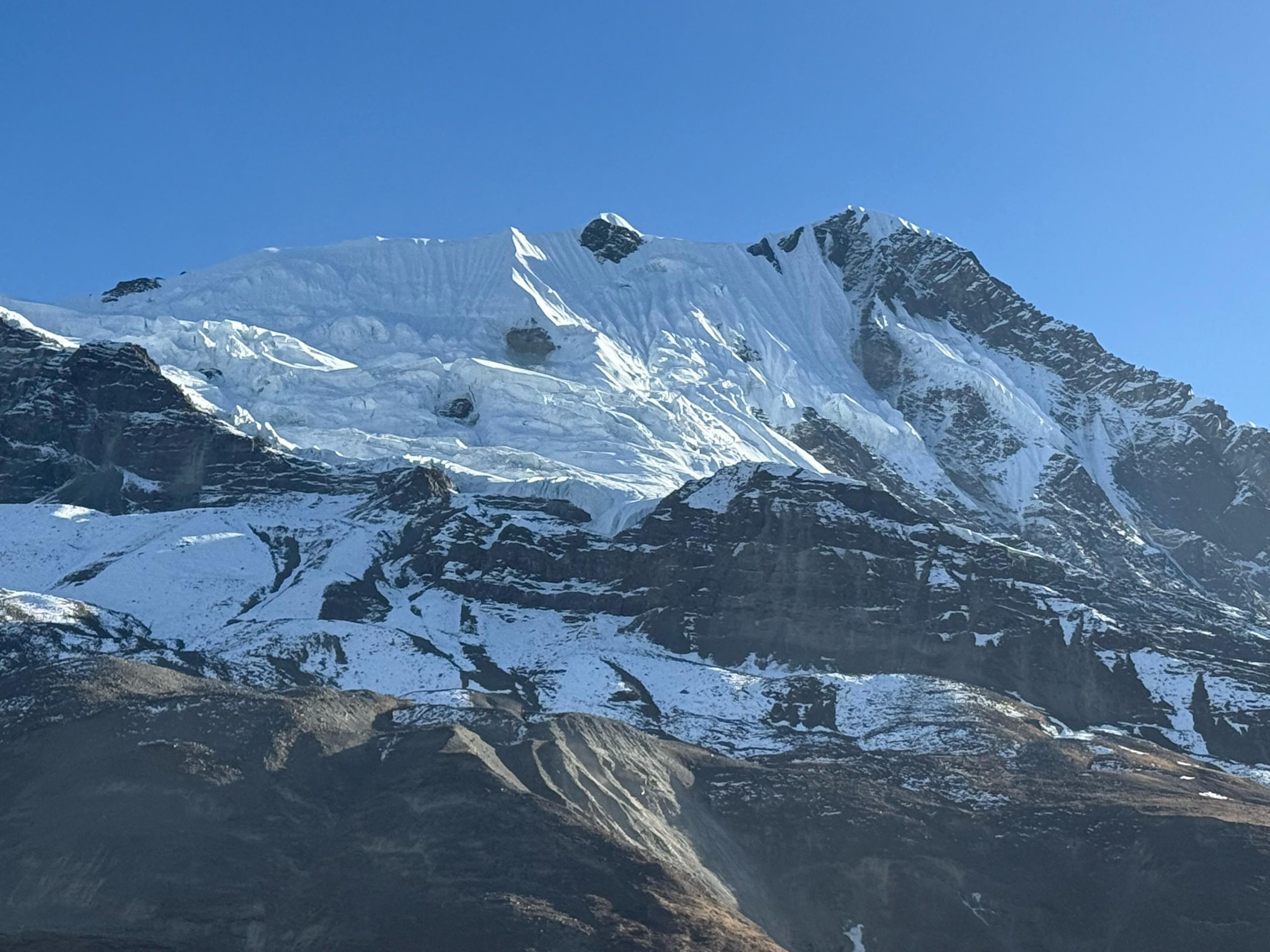
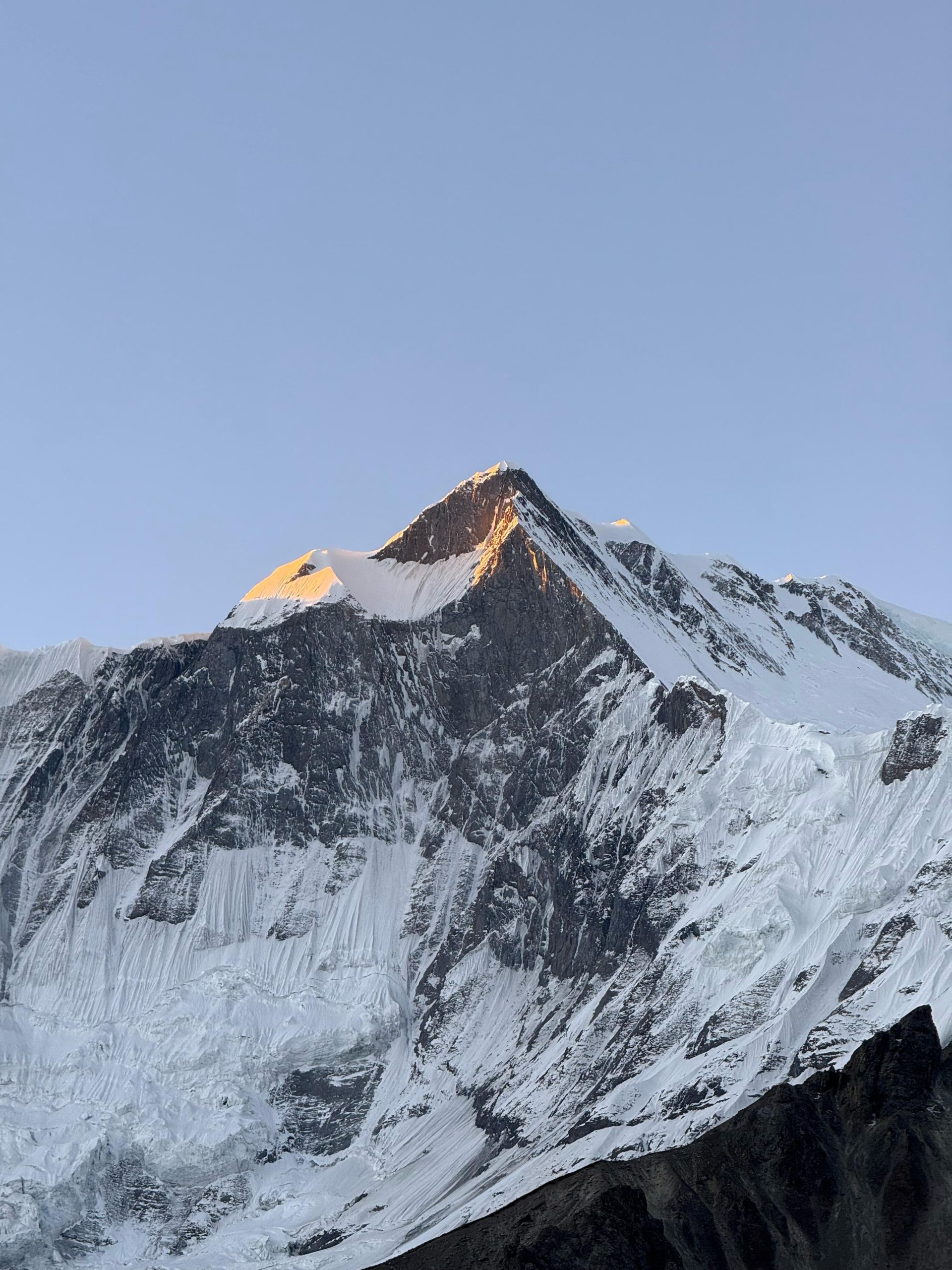
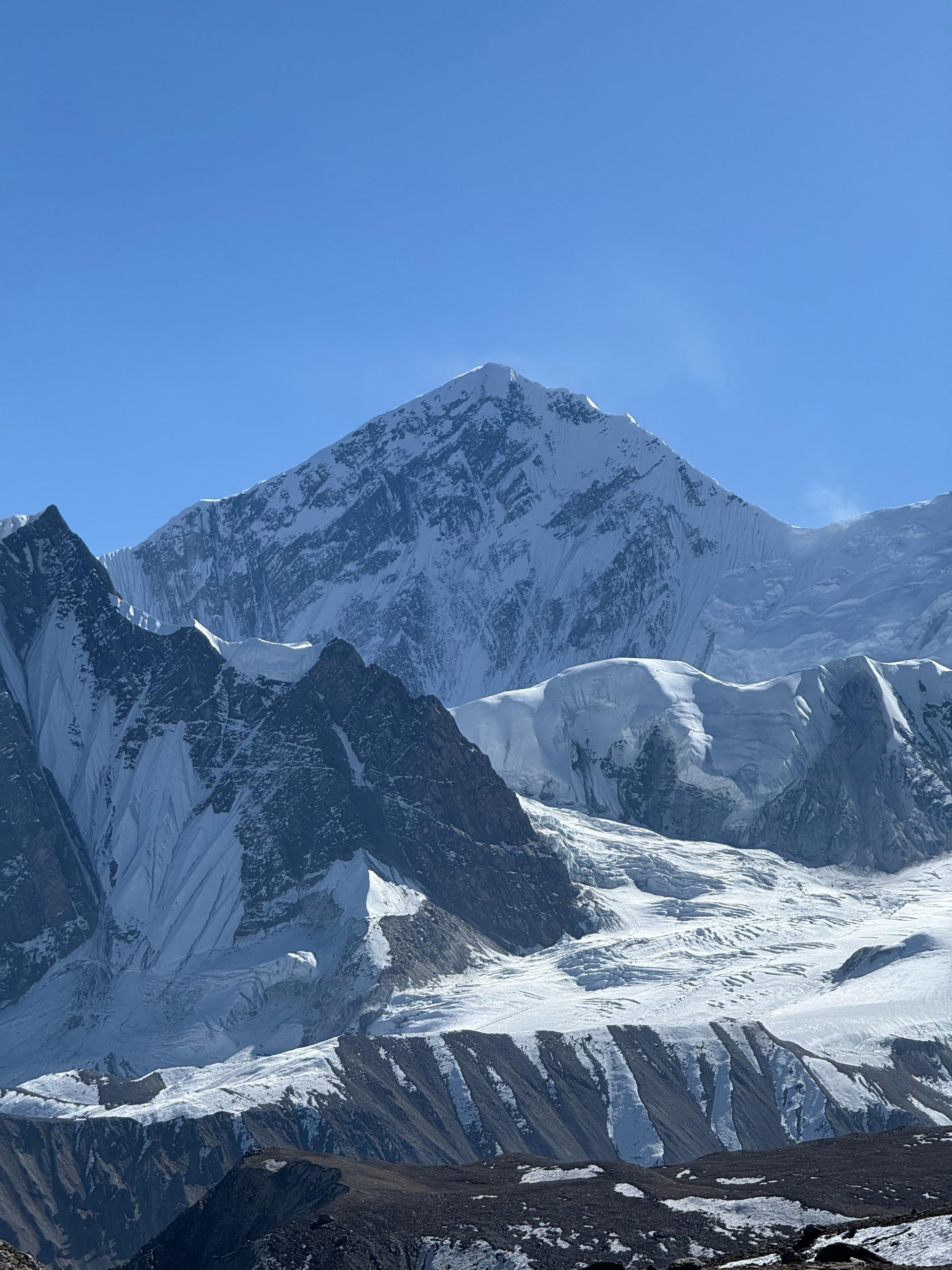
  • Kang La Pass (5,240 m): High-altitude challenge with 360° views of Annapurna II, Gangapurna & Tilicho Peak.
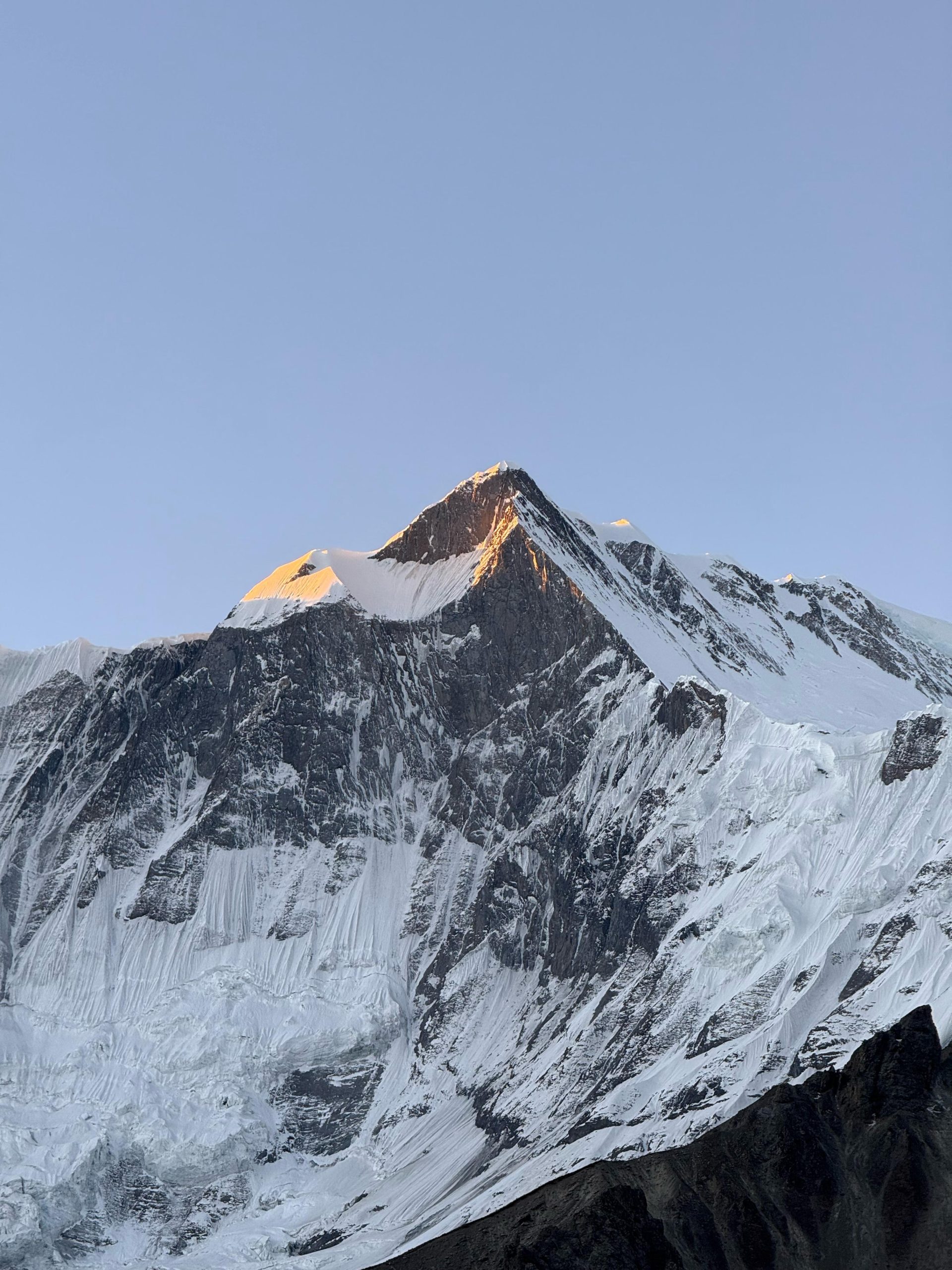
  • Thorong La Pass (5,416 m): Bucket-list sunrise over Annapurna I, Manaslu & Dhaulagiri on Nepal’s classic high pass.
  • Epic Himalayan Panoramas: Stand amid towering peaks in the heart of the Annapurna massif for unmatched photo ops.
  • Off-the-Beaten-Path Trek: Far from crowds, enjoy true solitude on narrow canyons and glacier-fed streams.
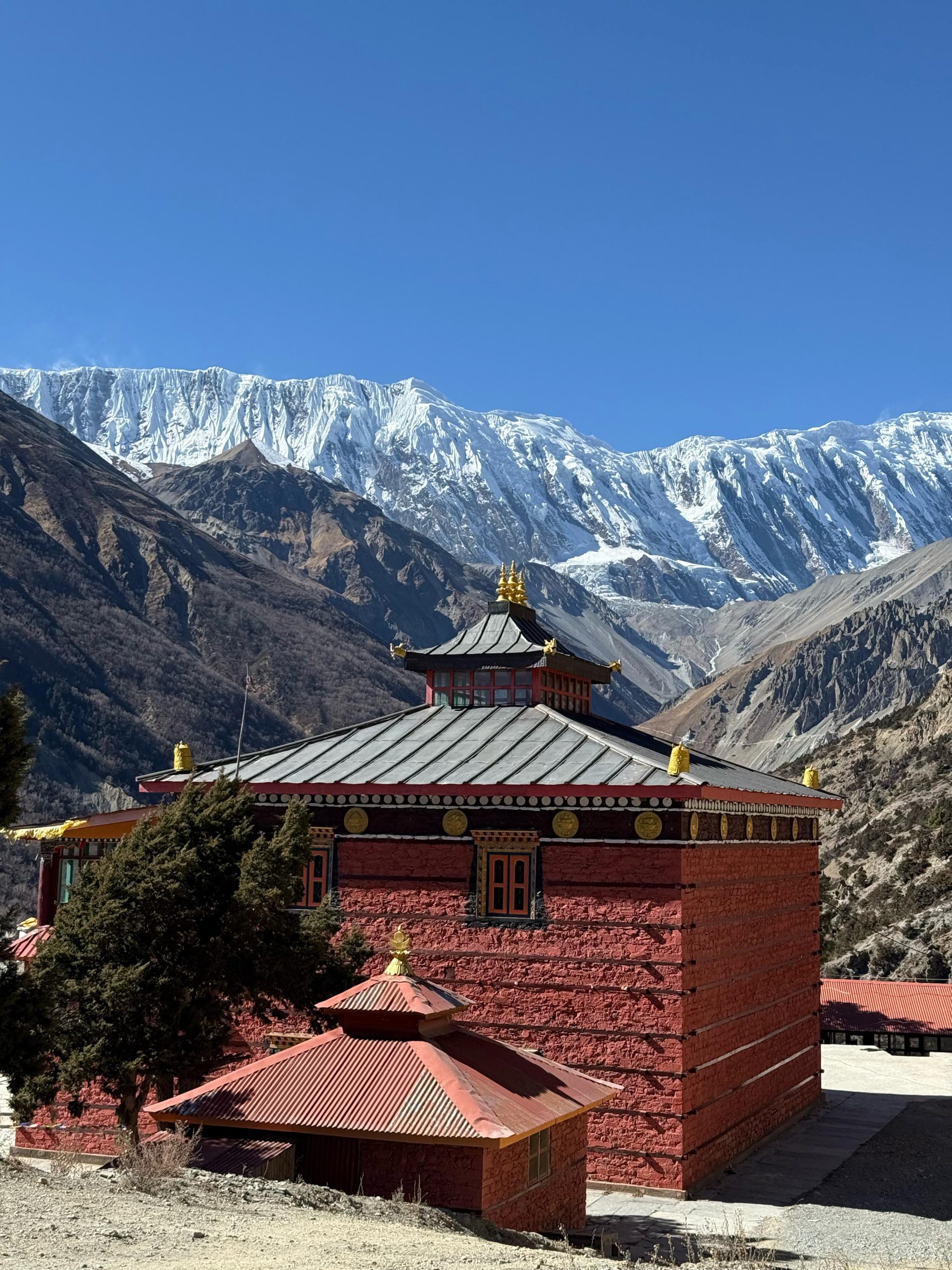
  • Rich Buddhist Culture: Visit remote gompas, white-washed chortens & join evening puja in a hilltop monastery.
  • Guided Acclimatisation: Balanced itinerary with rest days in Phu & Nar, plus acclimatisation hikes to glacier valleys.

Hidden Nar Phu Valley Adventure Trek with Throng La pass – 14 Days Overview

Tour Description:

The Nar Phu Valley Trek is one of the best-kept secrets of the Annapurna massif of Nepal. This trek is 14 days long, taking you through sheer gorges surrounded by vegetation, remote Tibetan villages, and dramatic rock formations. You’ll cross the Kang La Pass at 5,240 meters and the Thorong La Pass at 5,416 meters for the most breathtaking scenery of Annapurna I, Manaslu, and Dhaulagiri. Restricted area permits, this trek takes Trekkers on off off-beaten trail offering real isolation and deep cultural immersion. Wake up early in the morning with prayers enchanting your day from the gompas on top of the hill, yak herders grazing in isolated high pasture lands, and ancient chortens along the trail. For experienced, physically capable trekkers, the Nar Phu Valley Trek offers high-altitude adventure and traditional village life in the Himalayas.


Why do the Nar Phu Valley Trek?

  • Real Isolation & Wildscapes: Nar Phu opened to the public in 2003 but is still Nepal’s most remote trekking valley. With only limited permits available per day, youll trek along quiet pine forests, dramatic sandstone gorges, and riverside campsites—well away from the throngs of the Annapurna Circuit.
  • Traditional Tibetan Village Life: Phu and Nar farmers still sow barley and buckwheat by hand on steep terraces behind stone walls. Taste fresh yak butter-tea in a home, watch nomads take yaks to high-pasture grazing, and witness colourful, intricately woven prayer flags fluttering on top of every courtyard.
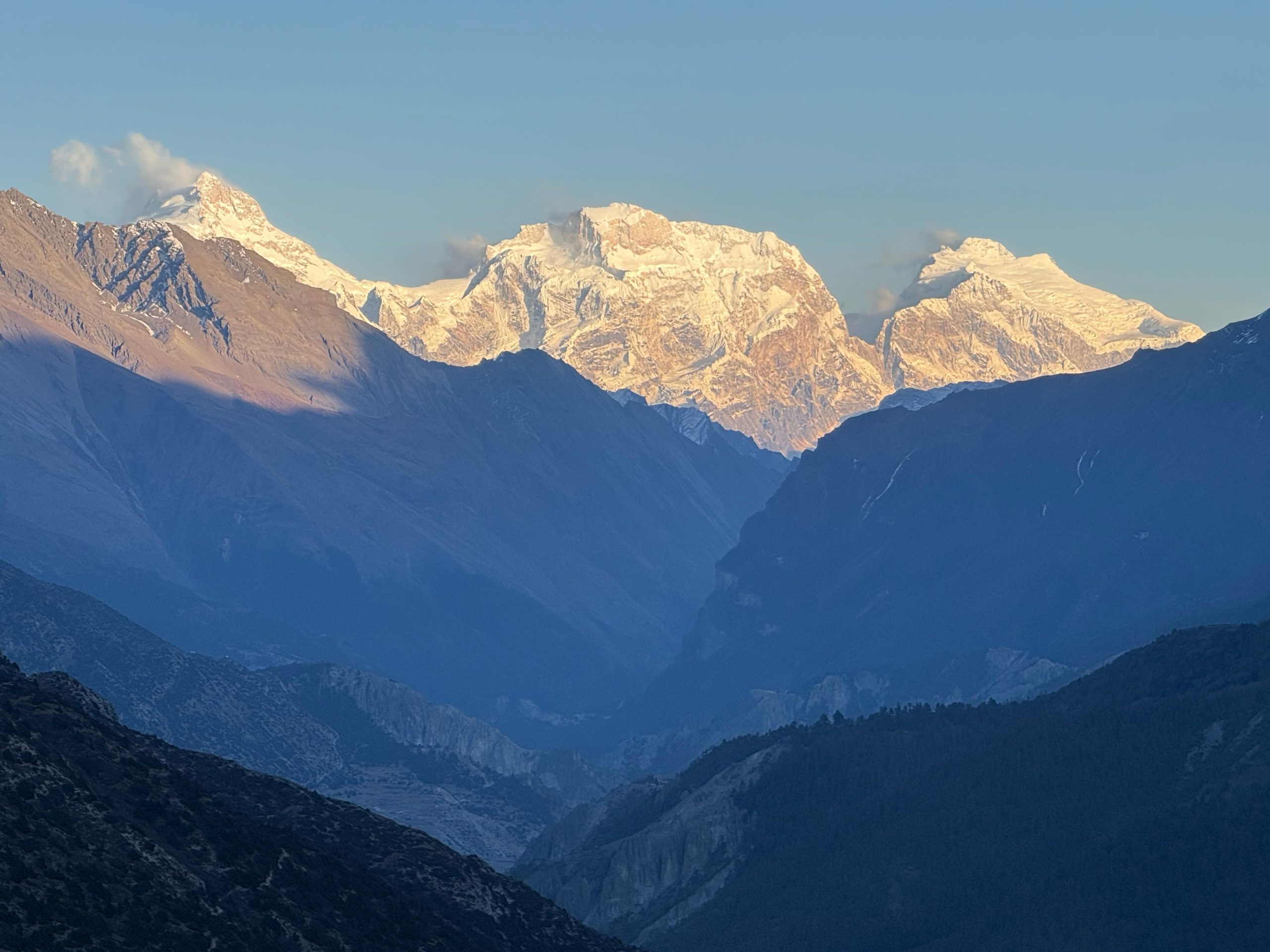
  • Breathtaking 8,000m Panoramas: Traverse Kang La Pass (5,240 m) for stunning panoramas of Annapurna II (7,937 m), Gangapurna (7,455 m) and Tilicho Peak (7,134 m). Then traverse Thorong La Pass (5,416 m) at sunrise for views of Annapurna I (8,091 m), Manaslu (8,163 m) and Dhaulagiri (8,167 m)
  • Rich Buddhist Heritage: Walk past white-washed chortens and ancient gompas carved into hill sidesJoin a candlelight ceremony at a remote hilltop monastery with nuns and add a personal prayer flag to a sacred ridge.
  • Guide-Assisted High-Altitude Challenge: Walk steep ascentsbridge narrow canyon walls and cross glacier-fed streams with the assistance of a registered guide. Acclimatisation to Himlung Himal base camp and ridge trekking at native altitudes is included in the schedule, balancing adventure with health.
  • Conservation & Local Support: Restricted-area permits are mandatory, along with the services of licensed guide. Permit revenues fund trail maintenance, village schools, and clean water projects—your hike is altruistic.
Day to Day Itinerary
Expand all

Start your journey early from Kathmandu, driving along the scenic Trishuli River and through picturesque countryside. Stop for local snacks or coffee along the way. After Besisahar, the road becomes more rugged as you enter the Manang District. Your guide will accompany you from your hotel. You’ll reach Tal by evening, a small village nestled beside a waterfall.Overnight in Tal.

  • Tea Tea house/Lodge
  • Breakfast, Lunch, Dinner
  • 10 hours
  • 200 km

Begin trekking through beautiful pine forests, crossing waterfalls, suspension bridges, and scenic terraced fields. The trail gradually ascends with occasional steep sections and traditional villages. Glimpses of Annapurna II and Lamjung Himal tease the adventure ahead. The day ends in Koto, the gateway to the restricted Nar Phu region.Overnight in Koto.

  • Tea Tea house/Lodge
  • Breakfast, Lunch, Dinner
  • 7 hours
  • 15 km

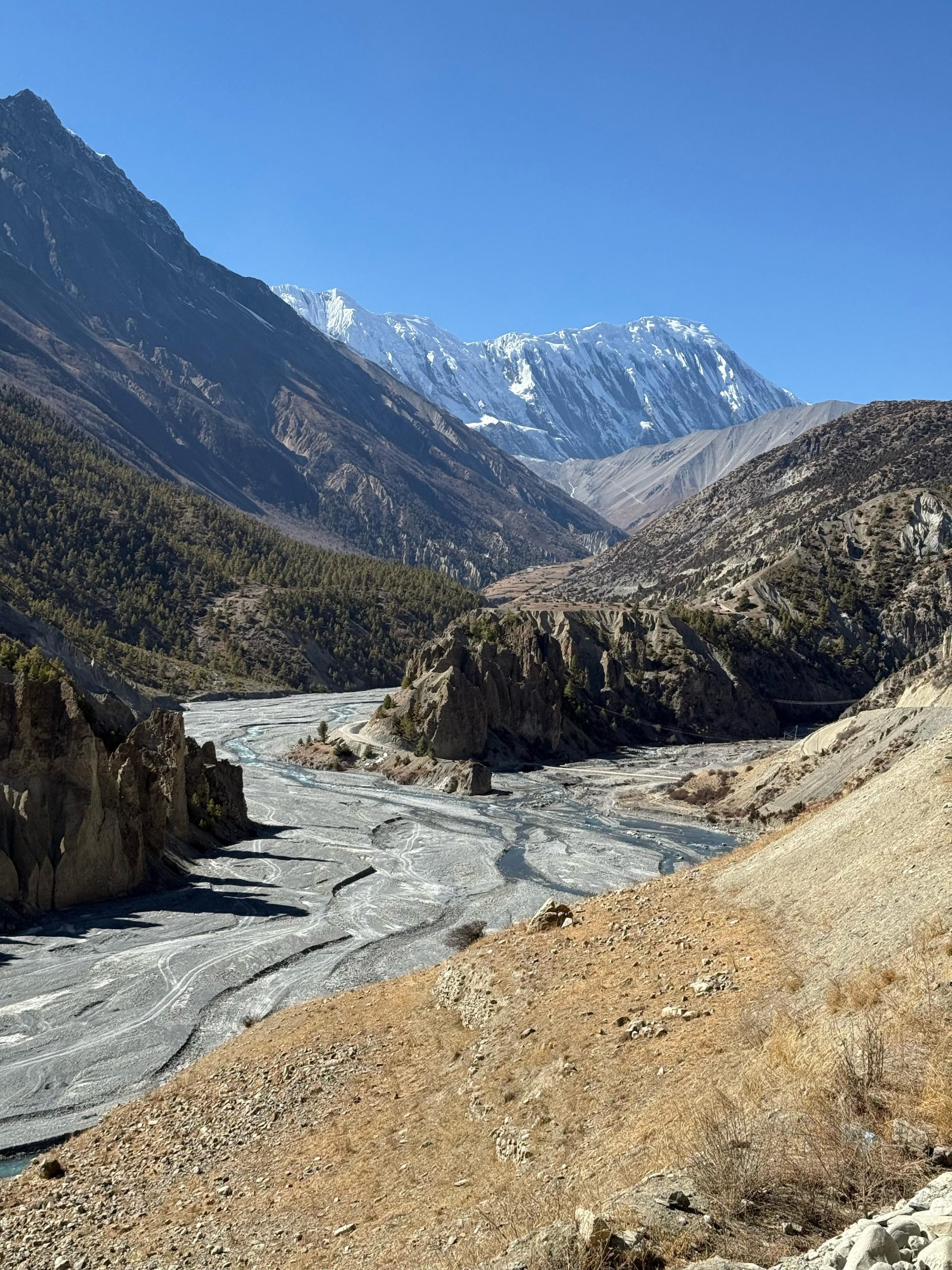
Enter the restricted Nar Phu Valley today after passing a check post. Trek through dense forests along the Soti Khola and rugged cliffs, with occasional views of hanging glaciers. Stop at Dharmasala for lunch before climbing toward Meta, a windswept plateau with panoramic views of Annapurna II and Lamjung Himal. Overnight in Meta.

  • Tea Tea house/Lodge
  • Breakfast, Lunch, Dinner
  • 7 hours
  • 12 km

The trail leads through high alpine terrain, crossing suspension bridges and passing ancient Buddhist chortens and ruins of Tibetan forts. You’ll witness dramatic canyon walls and towering cliffs before reaching the remote village of Phu. Visit the iconic Tashi Lhakhang Monastery built by the 8th-century saint Karmapa. Overnight in Phu.

  • Tea Tea house/Lodge
  • Breakfast, Lunch, Dinner
  • 7 hours
  • 10 km

Spend the day acclimatising by hiking to Himlung Himal Base Camp or exploring the village. Observe yak herding, traditional stone houses, and the spiritual pulse of high Himalayan life. Acclimatisation is key before crossing the Kang La Pass. Overnight in Phu.

  • Tea Tea house/Lodge
  • Breakfast, Lunch, Dinner
  • 2–3 hours
  • 5 km

Retrace part of the trail before crossing a jaw-dropping 80m deep canyon via a suspension bridge. Ascend gradually toward Nar, a culturally rich village with traditional stone structures. In the evening, attend Buddhist prayers and share a meal with nuns at a local monastery. Overnight in Nar.

  • Tea Tea house/Lodge
  • Breakfast, Lunch, Dinner
  • 6 hours
  • 10 km

Today’s rest day includes light hikes and cultural exploration. Nar means “Place of Blue Sheep” and the local dialect and customs here differ from the rest of Manang. Hike around the village for stunning views and visit local homes and farms. Overnight in Nar.

  • Tea Tea house/Lodge
  • Breakfast, Lunch, Dinner
  • 3 hours
  • 6 km

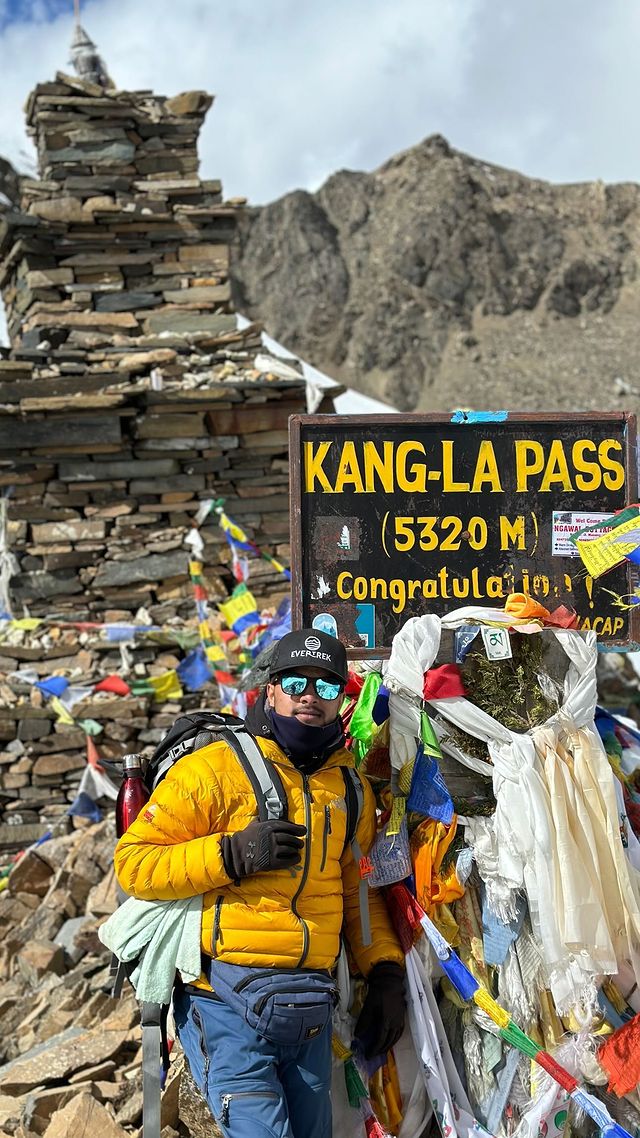
Start early to ascend the challenging Kang La Pass (5,320 m). From the top, take in breathtaking views of Annapurna II, Gangapurna, and Tilicho Peak. The long descent to Ngawal is steep but rewarding. Expect Wi-Fi and warm meals in this more developed village. Overnight in Ngawal.

  • Tea Tea house/Lodge
  • Breakfast, Lunch, Dinner
  • 9 hours
  • 16 km

Descend gradually through pine forests and picturesque villages. Visit ancient sites like Braga Gompa and Milarepa’s Cave, linked to Tibetan Buddhist history. You’ll arrive in the vibrant town of Manang, with bakeries, shops, and a high-altitude movie hall!. Overnight in Manang.

  • Tea Tea house/Lodge
  • Breakfast, Lunch, Dinner
  • 4 hours
  • 10 km

A relatively easy day through the high-altitude desert landscape. The trail is dotted with alpine shrubs and yak pastures. Enjoy views of the Annapurna range as you settle into the peaceful hamlet of Yak Kharka. Overnight in Yak Kharka.

  • Tea Tea house/Lodge
  • Breakfast, Lunch, Dinner
  • 3 hours
  • 9 km

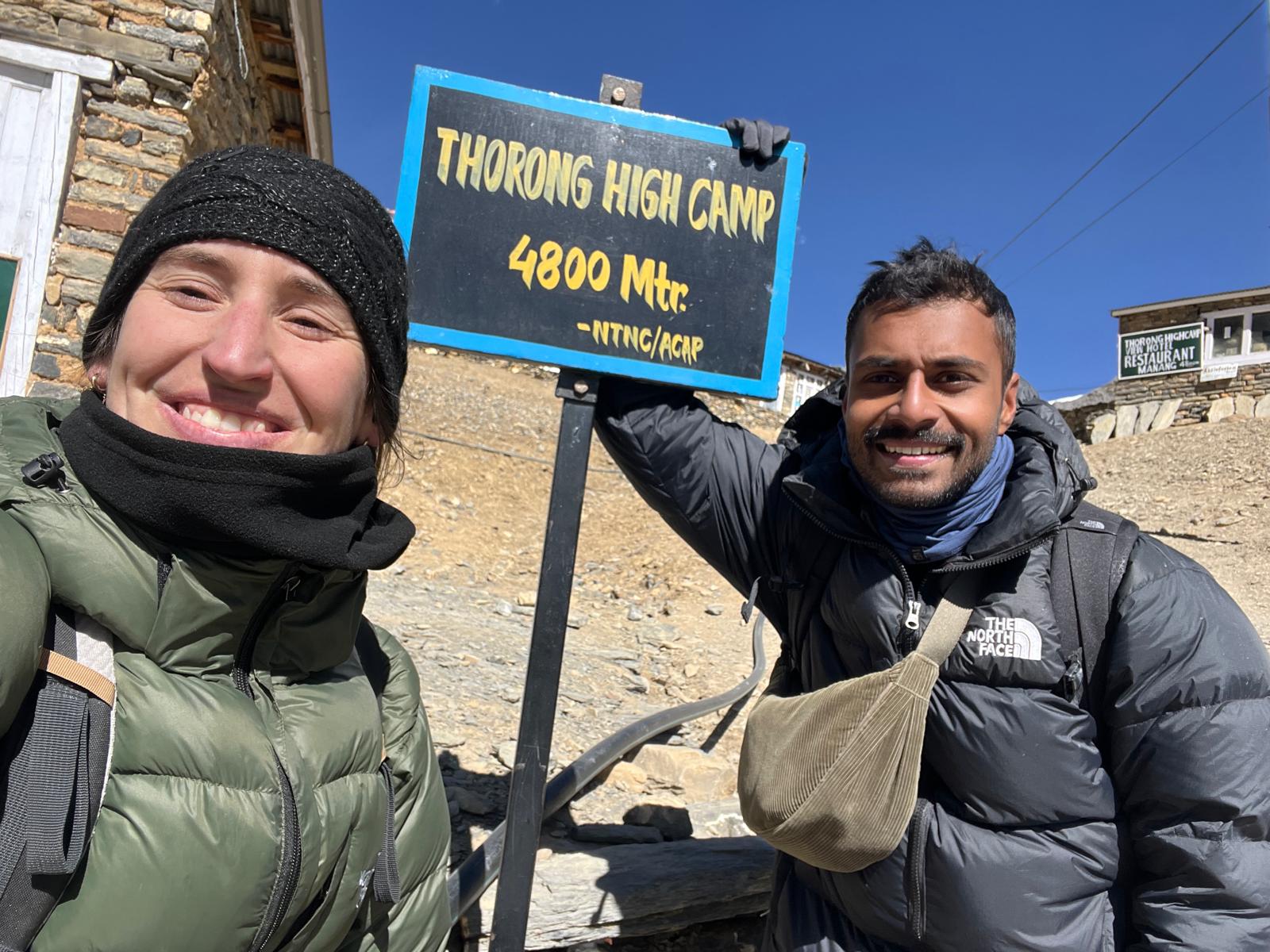
Today’s trek is short but takes you through potential landslide areas—stay alert and follow your guide. Spend the afternoon resting or take a short hike to High Camp to better prepare for tomorrow’s big challenge: Thorong La Pass. Overnight in Thorong Phedi.

  • Tea Tea house/Lodge
  • Breakfast, Lunch, Dinner
  • 4 hours
  • 7 km

A major highlight! Begin early to cross Thorong La Pass, one of the world’s highest trekking passes. It’s a strenuous but unforgettable journey with panoramic views. Descend to Muktinath, a sacred pilgrimage site for Hindus and Buddhists. Overnight in Muktinath.

  • Tea Tea house/Lodge
  • Breakfast, Lunch, Dinner
  • 9 hours
  • 15 km

Visit the Muktinath Temple and 108 sacred water spouts before driving through the world’s deepest gorge—Kali Gandaki. Pass dramatic landscapes and arrive in Pokhara, a tranquil lakeside city and a perfect place to unwind. Overnight in Pokhara.

  • Tea Tea house/Lodge
  • Breakfast, Lunch, Dinner
  • 7 hours
  • 165 km

Conclude your trek with a scenic drive back to Kathmandu, following the Trishuli River. Reflect on your off-the-beaten-path adventure through one of Nepal’s most secluded and culturally rich regions. Overnight in Kathmandu. Tour ends.

  • Tea Tea house/Lodge
  • Breakfast, Lunch, Dinner
  • 8 hours
  • 210 km
Altitude Chart

Our team guides, porters and accompanying staff are locals with a broad knowledge about each and every location that we travel through.

Cost Includes
  • Accommodation in mountain teahouses
  • 4-Star accommodation in Pokhara
  • Government-licensed trekking guide
  • Kathmandu to Tal drive by local bus
  • Muktinath to Pokhara Local Bus
  • Pokhara to Kathmandu Vip sofa-seated tourist bus
  • Annapurna Conservation Area permit
  • Nar Phu Restricted area permit and all other necessary permits
  • Full meal during the trek
  • Staff expenses and allowances
  • Farewell dinner with cultural dance and Folk song performance
  • Trekking completion certification from Holyland Adventure Tours and Travels
Cost Excludes
  • Personal expenses, travel insurance/International airfare/Domestic airfare.
  • Items of personal expenses such as alcoholic drinks, cold drinks, laundry, tips, etc.
  • Nepal entry visa fee US$ 50 (duration 30 days from date of issue)- Available at Royal Nepalese Embassies and Royal Nepalese Consulates abroad or on arrival at Tribhuvan International Airport in Kathmandu.
  • Extra accommodation and meals outside the itinerary.
  • Tips and Gratitudes
  • Porter service (1 porter = Two Trekkers)
  • Trekking gear ( can be arranged first-hand or for rental)
  • Cost rise due to unforeseen circumstances
Departure Dates
  • We have daily departures for this trip from March to May and from mid-September to mid-December. You can type in the number of passengers to book a reservation and select a date that is convenient for you. Due to group size, we never cancel a trip once you’ve made a reservation. If you would rather join the group, we will add more travelers on the selected date. You can let us know once you make a reservation or earlier.
Useful Info

📍 Where is Nar Phu Valley?

The Nar Phu Valley is a remote Himalayan region located in the Manang District of Nepal, just north of the Annapurna Circuit. Opened to trekkers only in 2003, this restricted area offers untouched Tibetan culture, ancient monasteries, and dramatic Himalayan landscapes. It’s ideal for trekkers seeking off-the-beaten-path experiences in Nepal.


🧳 Nar Phu Trek Permits & Regulations

Since Nar Phu lies in a Restricted Area, special permits are mandatory:

  • Nar Phu Restricted Area Permit (RAP): USD 100 per person (for the first 7 days, Sept–Nov) / USD 75 (Dec–Aug)
  • Annapurna Conservation Area Permit (ACAP): NPR 3,000 (approx. USD 25)
  • TIMS Card: Not required if you have a RAP

Permits must be arranged through a registered trekking agency like ours, and independent trekking is not allowed — you must trek with a licensed guide.


⏳ Best Time to Trek Nar Phu Valley

The best time to do the Nar Phu Valley Trek is:

  • Spring (March to May): Clear skies, blooming rhododendrons, moderate temperatures.
  • Autumn (September to November): Stable weather, excellent mountain views, and fewer landslides.

Avoid monsoon (June–August) due to heavy rain and slippery trails, and winter (December–February) due to snow blockage at high passes like Kang La (5,240 m).


🥾 Trek Difficulty & Altitude

The Nar Phu Valley Trek is moderately to highly challenging, suitable for trekkers with some experience in multi-day Himalayan trekking. Highlights include:

  • Kang La Pass (5,240 m / 17,192 ft)
  • High-altitude villages like Phu (4,250 m) and Nar (4,110 m)
  • Long walking days (5–9 hours)
  • Off-the-grid conditions: basic tea houses, limited Wi-Fi, and rugged trails

Acclimatization days are included to prevent altitude sickness, but you should still train in advance with cardio, hiking, and strength endurance.


🏔️ What Makes Nar Phu Trek Unique?

  • Tibetan Buddhist Culture: Remote stone villages, yak herders, and centuries-old gompas and chortens
  • Hidden Himalayan Valley: Much quieter than the Annapurna Circuit or Everest Base Camp
  • High Mountain Passes: Cross both Kang La Pass and optionally extend to Thorong La Pass (5,416 m)
  • Cave Monasteries & Sacred Sites: Visit Tashi Lhakhang Monastery, Milarepa’s Cave, and nunneries
  • Close-up views of 7,000–8,000 m peaks like Annapurna II, Himlung, Gangapurna, and Pisang Peak

🏘️ Accommodation & Food

You’ll stay in basic tea houses run by locals — a great way to support the economy of these isolated communities. Rooms are often twin-shared with shared bathrooms. Facilities are basic but cozy. Hot showers may cost extra, and electricity/Wi-Fi are not guaranteed in higher villages.

Meals include traditional Dal Bhat, noodles, fried rice, potatoes, and Tibetan bread. In places like Manang and Ngawal, you’ll find more variety, including bakeries.


🧭 How to Get There

  • Start: Drive from Kathmandu to Tal (via Besisahar)
  • End: Finish in Muktinath and drive to Pokhara
  • Return to Kathmandu by tourist bus or domestic flight

Some trekkers choose to combine Nar Phu with the Annapurna Circuit, exiting over Thorong La Pass.


🎒 Packing Essentials for Nar Phu Trek

Some must-pack items:

  • Layered clothing (base, mid, and down jackets)
  • Waterproof gear (jacket, pants, cover)
  • Warm hat, gloves, buff/scarf
  • Sturdy trekking boots (broken-in)
  • Water purification tablets
  • Sleeping bag (rated -10°C or lower)
  • First-aid kit, altitude medicine (Diamox), sunscreen, lip balm
  • Power bank (charging is limited)
  • Passport photos (for permits)

🌐 Internet, SIM & Communication

  • Mobile signal is weak or nonexistent in Nar and Phu
  • Limited Wi-Fi available in Ngawal, Manang, and Koto (may charge extra)
  • Buy a Nepal Telecom or Ncell SIM card in Kathmandu — Nepal Telecom has better remote coverage

🧘🏻‍♂️ Travel Insurance

Travel insurance is mandatory for this trek. Ensure it covers:

  • Trekking up to 5,500 meters
  • Emergency evacuation by helicopter
  • Altitude sickness and general medical treatment
FAQs
  • Nar Phu Valley lies in the remote northern region of the Annapurna Conservation Area, close to the Tibetan border in Manang District, Nepal. It’s part of a restricted trekking zone opened to foreigners only in 2003.

  • Absolutely. If you’re looking for an off-the-beaten-path Himalayan experience, with raw landscapes, authentic Tibetan culture, and very few trekkers—Nar Phu is ideal. You’ll pass ancient villages, sacred monasteries, high passes like Kang La (5,240m), and witness untouched mountain life.

  • The trek is moderately challenging to difficult due to long walking days, remote terrain, and high-altitude passes (over 5,000m). Good physical fitness, prior trekking experience, and proper acclimatization are recommended.

  • You need the following permits:

    • Nar Phu Restricted Area Permit (RAP): USD 100 (for 1 week, Sep-Nov) | USD 75 (Dec-Aug)
    • Annapurna Conservation Area Permit (ACAP): NPR 3,000 (~USD 25)
    • Trekkers’ Information Management System (TIMS): Not required for restricted areas if you have a RAP

  • No. Independent trekking is not allowed in Nar Phu Valley. As a restricted area, you must go through a registered trekking agency with a licensed guide and a minimum of two trekkers in the group.

  • The best trekking seasons are:

    • Spring (March to May) – Clear skies, wildflowers, and moderate temperatures
    • Autumn (September to November) – Best weather, clear mountain views, and colorful festivals

    Avoid monsoon (June–August) and mid-winter (late Dec–Feb) due to landslides and snow.

  • Kang La Pass is 5,240 meters (17,192 feet) above sea level. It’s the highest point on the trek and offers breathtaking panoramic views of Annapurna II, Tilicho Peak, and Gangapurna.

  • You’ll stay in basic teahouses or homestays run by local villagers. Accommodations are simple but offer warm hospitality. Facilities are limited—bring a warm sleeping bag, power bank, and water purification tools.

  • Phone signal is patchy and Wi-Fi is very limited or nonexistent in the remote parts of Nar and Phu. You’ll find internet only in places like Koto, Ngawal, or Manang. Trek this route as a true digital detox experience.

  • Yes! Many trekkers choose to combine Nar Phu Valley with the Annapurna Circuit by crossing Kang La Pass into Ngawal and continuing toward Thorong La Pass and Muktinath. This offers an extended, adventurous trekking route.

  • Jagat (1,290 m) is the typical starting point for the Nar Phu Valley Trek and part of the Annapurna Circuit trail. While remote, it’s accessible via a scenic road journey from Kathmandu. Here’s how you can get there:

    Option 1: Private Jeep (Most Recommended)

    • Duration: 8–10 hours
    • Route: Kathmandu ➝ Besisahar ➝ Jagat
    • Cost: USD 180–250 per jeep (shared among 6–7 people)

    Most trekkers prefer to hire a private 4WD jeep for comfort and flexibility. After a smooth highway drive to Besisahar, the road becomes rough and unpaved—only suitable for jeeps. From there, the jeep continues through Syange to Jagat.

    Best for small trekking groups, guided treks, and customized departures.


     Option 2: Local Bus + Jeep Combo

    • Duration: 10–12 hours
    • Route: Kathmandu ➝ Besisahar by bus (6–7 hrs), then Jeep to Jagat (2–3 hrs)
    • Cost: USD 15–25 total

    You can take a local or tourist bus from Kathmandu to Besisahar. From Besisahar, transfer to a shared jeep or local jeep going up to Jagat. This is cheaper but less comfortable and less reliable.

    Not recommended for first-time trekkers or those on a tight schedule.


     Option 3: Drive to Pokhara, Then Jeep to Jagat (Alternative Route)

    • Duration: 2 days (with overnight in Pokhara)

    • If you want to visit Pokhara first, you can travel there from Kathmandu by tourist bus or flight. Then hire a private jeep from Pokhara to Jagat via Besisahar.

You May Also LikeSimilar Itineraries
Nar Phu Valley 8-Days Trek – Secret Route in the Annapurna Region
Difficulty: Moderate to Challenging 8 Days
Max. Height: 4,180m

US $650

Hidden Nar Phu Valley Adventure Trek with Throng La pass  – 14 Days
Hidden Nar Phu Valley Adventure Trek with Throng La pass – 14 Days
Difficulty: Moderate 14 Days
Max. Height: 5,416

US $1175

Tilicho Lake Trekking in Nepal – 5 Days Adventure via Manang
Difficulty: Easy 5 Days
Max. Height: 4,919 m

US $325

2-Day Poon Hill Trek from Pokhara: Sunrise View, Rhododendron Forests & Majestic Mountains Featured
2-Day Poon Hill Trek from Pokhara: Sunrise View, Rhododendron Forests & Majestic Mountains
Difficulty: Easy 2 Days
Max. Height: 3,210m (Poon Hill)

US $215

6-Day Annapurna Base Camp Trek from Pokhara Featured
6-Day Annapurna Base Camp Trek from Pokhara
Difficulty: Moderate 6 Days
Max. Height: 4,130 m

US $475

13-Day Annapurna Base Camp Adventure – Nature, Culture & Peaks Featured
13-Day Annapurna Base Camp Adventure – Nature, Culture & Peaks
Difficulty: Moderate 13 Days
Max. Height: 4,130 m

US $925